


What's Happening?
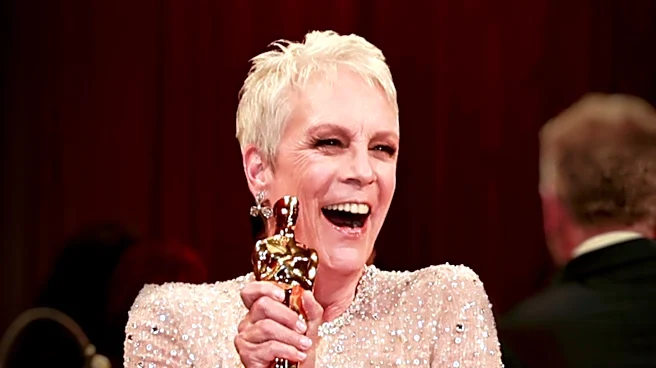
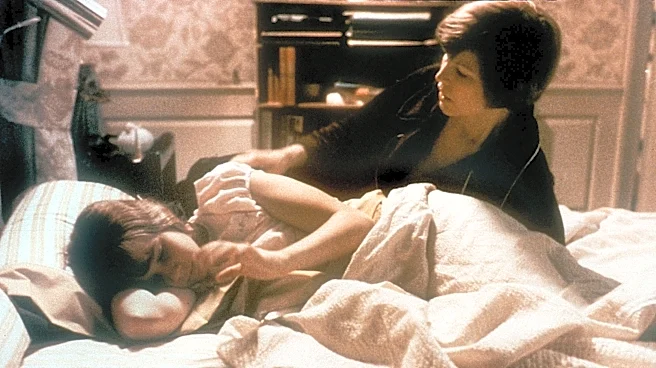
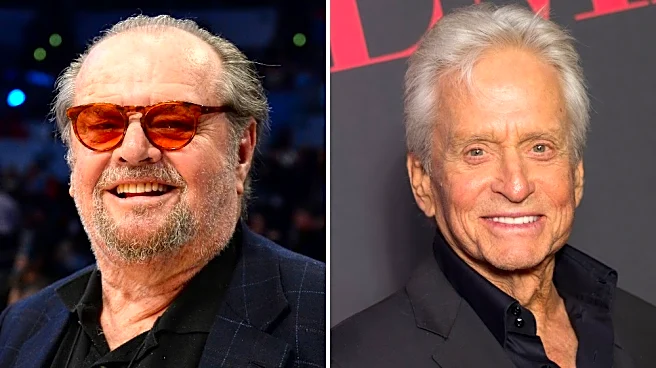
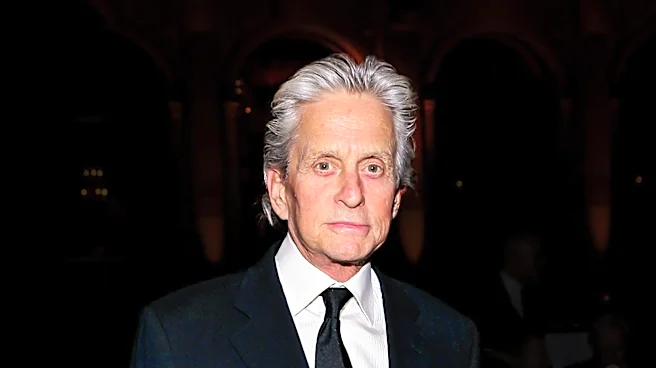
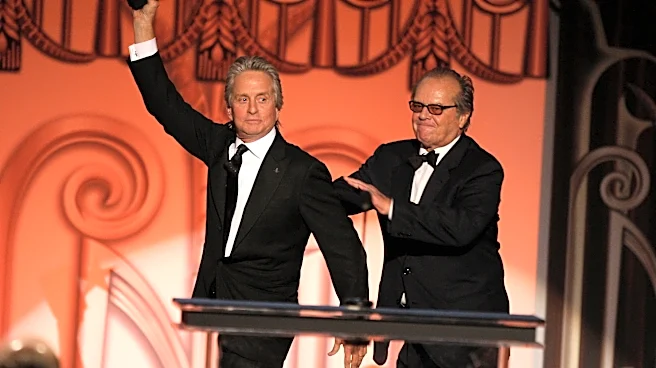
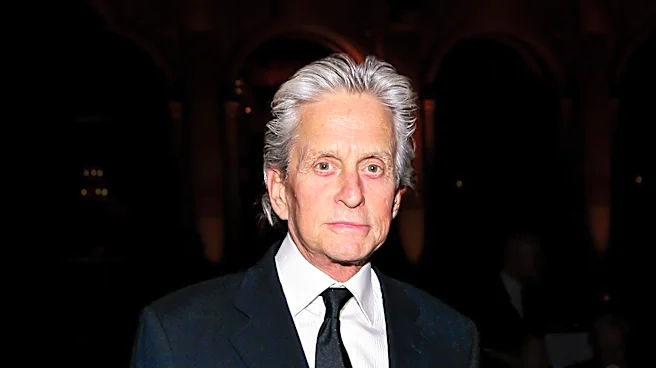
During an appearance on 'The Graham Norton Show,' actor Michael Douglas stated his belief that his 'Fatal Attraction' co-star, Glenn Close, should have won the 1988 Best Actress Oscar instead of Cher for her role in 'Moonstruck.' Close, who has been nominated
for eight Oscars but never won a competitive award, was also present on the show and quipped that she is receiving an honorary Oscar at the Governors Awards in November because the Academy members 'probably don’t want to feel guilty anymore.' Douglas emphasized that Close's performance in 'Fatal Attraction' remains 'one of the greatest performances of all time.' Cher ultimately won the award, beating Close, Holly Hunter, Sally Kirkland, and Meryl Streep.
Why It's Important?
This public statement by Michael Douglas reignites a long-standing debate within Hollywood and among film enthusiasts regarding past Oscar decisions. It highlights the subjective nature of awards and the often-intense competition among highly talented actors. For Glenn Close, Douglas's comments serve as a public validation of her acclaimed performance, even decades later, and underscore the sentiment that some deserving performances may have been overlooked by the Academy. For Cher, while she did win, such comments can stir discussions about the merits of her win versus other nominees. This kind of commentary from prominent industry figures often fuels ongoing conversations about the fairness, politics, and lasting impact of Academy Award selections on actors' careers and legacies.
What's Next?
Glenn Close is scheduled to receive an honorary Oscar at the Governors Awards in November, which she humorously suggested is due to the Academy's guilt. Michael Douglas's comments are likely to generate further discussion and media coverage, particularly among film critics and fans who enjoy revisiting historical Oscar controversies. While Cher's representative stated that 'Cher adores Michael Douglas,' the remarks could prompt further reflections on the 1988 Best Actress race and the broader history of Oscar snubs and surprises. This type of public discourse often contributes to the enduring cultural significance of the Academy Awards and the films they honor.
Beyond the Headlines
The debate over the 1988 Best Actress Oscar extends beyond a simple preference for one performance over another; it touches upon the broader criteria and biases that may influence Academy voting. 'Fatal Attraction' and 'Moonstruck' represent different genres and acting styles, raising questions about how the Academy weighs dramatic intensity against comedic brilliance. Douglas's comments also highlight the camaraderie and loyalty among actors, as he publicly champions his colleague. This incident serves as a reminder that while awards are definitive at the moment of presentation, the critical and public re-evaluation of cinematic achievements continues indefinitely, shaping the historical narrative of film and performance.