






What's Happening?
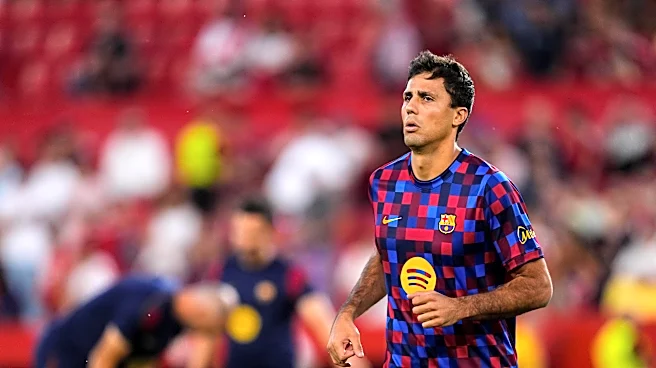
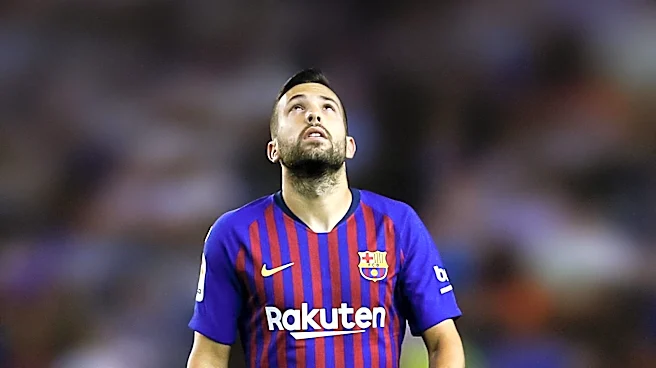
FC Barcelona is facing concerns as 17 of its players have departed for international duty during the latest break, according to MARCA. The club is particularly worried about the potential for injuries and player fatigue, especially given the extensive
travel schedules involved for some athletes. Originally, 18 players were slated for international commitments, but Andreas Christensen was withdrawn from Denmark's squad due to discomfort in his left quadriceps. While there is no immediate alarm, the club acknowledges an understandable unease, especially considering the excellent form of several players and past instances where players returned from international duty injured. Seven Barcelona players are with Spain's squad, including Pau Cubarsi and Lamine Yamal, who will participate in four Nations League fixtures. Other players are representing countries such as Croatia, Germany, England, France, Portugal, Egypt, and Belgium Under-21s. The club's most prolific player, Raphinha, is a significant concern due to his demanding international schedule with Brazil, which includes matches in Australia and India, involving considerable travel and potential for accumulated fatigue.
Why It's Important?
The departure of 17 FC Barcelona players for international duty carries significant implications for the club's performance and player welfare. The primary concern revolves around the increased risk of injuries and fatigue, which could directly impact the team's readiness and success in upcoming domestic and international competitions. Key players, such as Raphinha, who is currently the club's top scorer, face extensive travel and a demanding match schedule, raising fears that their physical condition could deteriorate. A significant injury to a star player could sideline them for weeks or months, forcing the club to rely on less experienced or less effective alternatives, potentially jeopardizing their league standing and Champions League aspirations. Furthermore, accumulated fatigue, even without a direct injury, can lead to a decline in performance, affecting decision-making, speed, and overall effectiveness on the field. The club's past experiences with players returning injured from international breaks underscore the validity of these concerns, highlighting the delicate balance between national team commitments and club responsibilities. This situation also emphasizes the broader challenge faced by top football clubs globally, as they navigate the demands of international football calendars and strive to protect their valuable assets.
What's Next?
FC Barcelona will closely monitor the progress and physical condition of its 17 players while they are on international duty. The club's medical and coaching staff will likely maintain communication with the respective national teams to stay informed about the players' health and training regimens. Upon their return, each player will undergo thorough medical assessments to identify any potential injuries or signs of excessive fatigue. The club will then implement individualized recovery and training plans to ensure players are reintegrated safely and effectively into the team. Special attention will be given to players like Raphinha, whose extensive travel schedule makes him a particular concern. The coaching staff will need to carefully manage player workloads in the immediate aftermath of the international break, potentially rotating squads or adjusting training intensity to prevent further issues. The performance and fitness of these returning players will be crucial for Barcelona's upcoming fixtures, and any setbacks could necessitate strategic adjustments to the team's lineup and tactics. The club will be hoping for a smooth return for all players, free from injuries, to maintain their competitive edge.
Beyond the Headlines
The recurring issue of top football clubs expressing concern over players' international duty highlights a deeper tension within the global football ecosystem. On one hand, national teams rely on the best club players to compete in international tournaments and qualifiers, which are vital for national pride and the development of the sport. On the other hand, clubs invest heavily in these players and bear the financial and competitive consequences of any injuries or fatigue sustained while representing their countries. This dynamic often leads to a conflict of interest, with clubs prioritizing player welfare and availability for their own campaigns, while national federations prioritize their international commitments. The extensive travel, varying training methodologies, and differing medical protocols across national teams can exacerbate these risks. This situation also brings into focus the broader debate about the international football calendar, with calls for better coordination between FIFA, continental confederations, and domestic leagues to minimize player burnout and injury risks. Ultimately, finding a sustainable solution that balances the needs of clubs, national teams, and player well-being remains a significant challenge for football's governing bodies.