





What's Happening?
The 2026 MTV Video Music Awards (VMAs) were held on September 27 at the Peacock Theater in Los Angeles, with Snoop Dogg serving as host. Madonna emerged as a dominant force, securing seven awards from 13 nominations, including Best Cinematography and
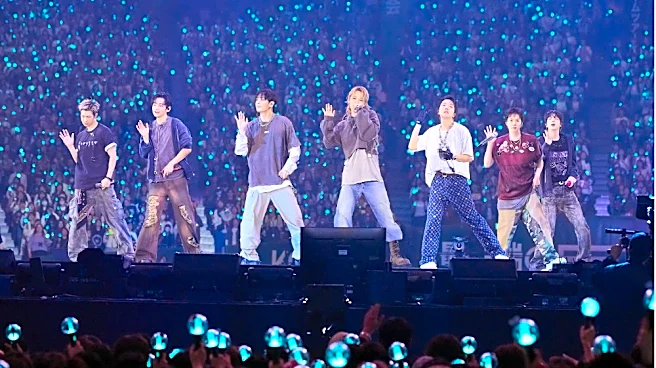
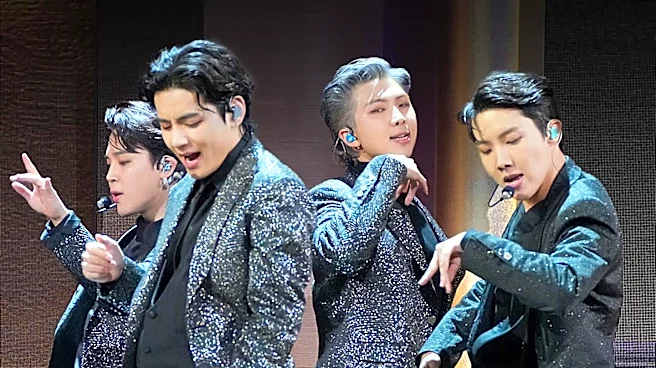
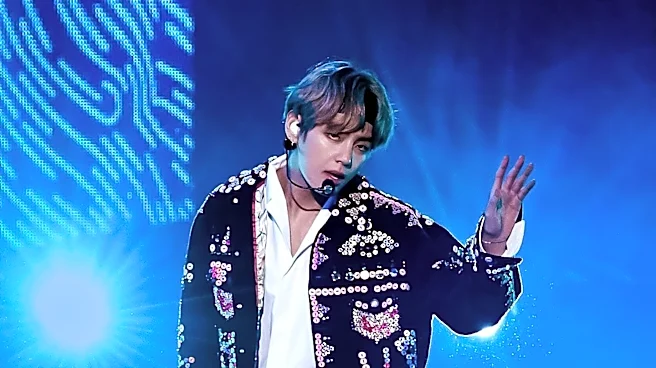
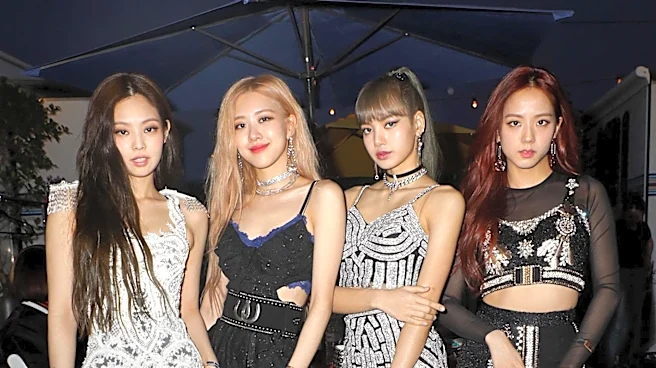
Best Choreography. Taylor Swift also had a significant night, taking home the Video of the Year award for 'The Fate of Ophelia' and receiving the inaugural Artist Director Honors for her work behind the camera. The ceremony featured a mix of performances from established artists like Madonna, who returned to the VMA stage after 23 years, and international acts such as Lisa, Yung Lean, and Gunna. Kacey Musgraves delivered a tribute to Dolly Parton. The event highlighted the continued global influence of K-pop and Latin music, with BTS winning multiple awards and other international stars being recognized. New artists also made their mark, with Sienna Spiro winning Best New Artist and Ella Langley taking the Best Country award.
Why It's Important?
The 2026 MTV VMAs underscore several key trends in the contemporary music industry. The significant wins by Madonna and Taylor Swift demonstrate the enduring relevance and commercial power of veteran superstars in an evolving landscape. Madonna's sweep, particularly in technical categories, highlights the continued importance of visual storytelling and production quality in music videos. Taylor Swift's recognition as an artist director signals a growing trend of artists taking more creative control over their visual content, potentially influencing how music videos are produced and perceived. The strong showing of K-pop and Latin artists, such as BTS and Bad Bunny, further solidifies their global appeal and market penetration in the U.S. music scene, indicating a more diverse and internationalized industry. The awards also serve as a platform for emerging talent like Sienna Spiro, providing them with significant exposure that can propel their careers and influence future music trends and consumer preferences.
What's Next?
The outcomes of the 2026 VMAs are likely to influence streaming numbers and tour momentum for the recognized artists in the coming weeks and months. Madonna's successful return and multiple wins could signal a renewed focus on her visual artistry and potentially lead to increased engagement with her catalog and future projects. Taylor Swift's continued success, both as a performer and director, may encourage other artists to explore more multifaceted roles in their creative output. The strong performance of K-pop and Latin acts at the VMAs is expected to further fuel their growth in the U.S. market, potentially leading to more collaborations, tours, and mainstream media coverage. For newer artists like Sienna Spiro, the 'Best New Artist' award often serves as a significant career launchpad, likely resulting in increased fan engagement, media attention, and opportunities for future projects and performances. The industry will likely observe how these trends translate into commercial success and artistic direction in the near future.
Beyond the Headlines
Beyond the immediate accolades, the 2026 VMAs reflect broader shifts in music consumption and artistic expression. The emphasis on visual storytelling, evidenced by Madonna's technical awards, highlights the music video's role as a crucial artistic medium, not just a promotional tool. This could lead to increased investment in high-quality video production and more experimental visual narratives. The ceremony's embrace of international artists, particularly from K-pop and Latin genres, signifies a cultural globalization of music, challenging traditional Western-centric industry norms and fostering greater diversity in mainstream music. This trend may encourage more cross-cultural collaborations and influence the sound and style of popular music in the U.S. The recognition of artists like Taylor Swift for their directorial work also points to a growing artist-as-auteur movement, where musicians are increasingly taking control of their entire creative vision, from sound to visuals, potentially reshaping the traditional roles within the music industry and empowering artists with more creative autonomy.