






What's Happening?
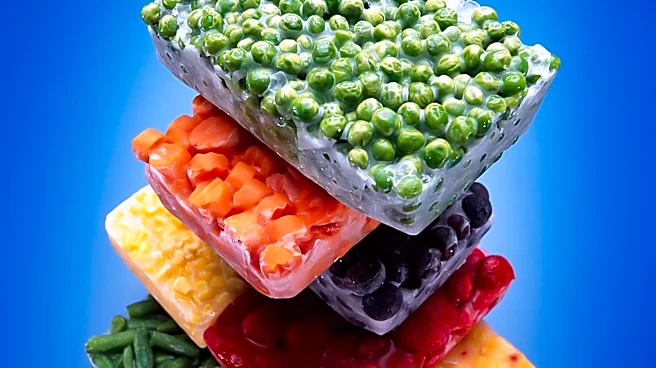
A variety of vegan frozen meals are available, providing convenient plant-based dining options. Brands like Tattooed Chef offer Sheet Pan Vegetables, a four-pound mix of Brussels sprouts, sweet potatoes, broccoli florets, red onion, and zucchini, designed
for easy preparation. Earth Grown provides a Burrito Bowl with a brown rice base, textured soy protein, black beans, chipotle, and vegetables. For pasta lovers, Kite Hill Mushroom Ricotta Ravioli and Trader Joe's vegan ravioli, made with egg-free semolina pasta and cashew cheese filling, offer cozy meal solutions. Amy's also features vegan Chinese food options, including a cashew sauce-based dish with organic rice pasta, broccoli, green beans, tofu, and various seasonings. These products aim to make conscious eating accessible and simple, catering to busy individuals seeking plant-based alternatives.
Why It's Important?
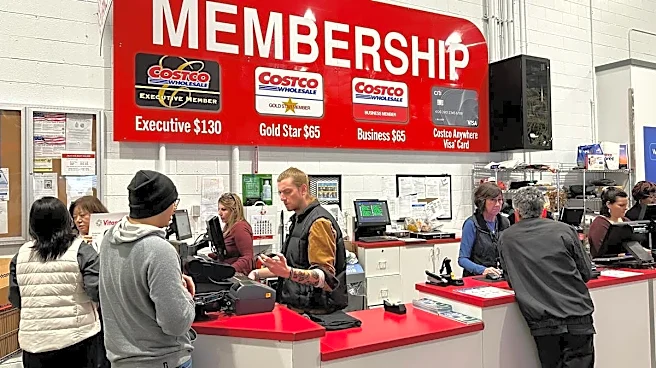
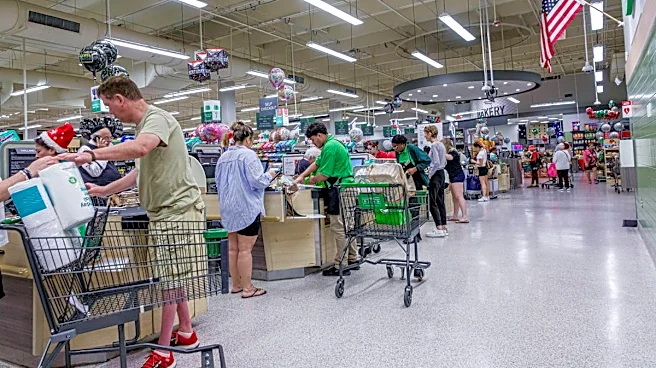
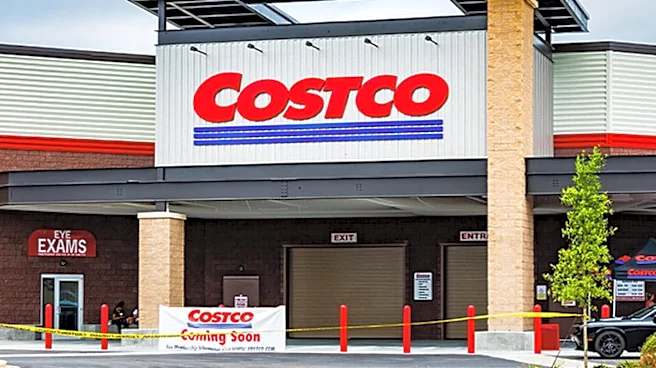
The increasing availability of vegan convenience foods reflects a growing consumer demand for plant-based options in the U.S. market. This trend impacts the food industry by encouraging innovation in product development and expanding the reach of veganism beyond niche markets. For consumers, these meals offer a practical solution for incorporating plant-based diets into busy lifestyles, potentially contributing to healthier eating habits and reduced environmental impact associated with meat production. The presence of these products in major retailers like Costco, Whole Foods, and Trader Joe's signifies a mainstream acceptance and integration of vegan choices, making them accessible to a broader demographic. This shift can also influence food manufacturers to invest more in plant-based research and development, fostering competition and further diversifying the market.
What's Next?
The expansion of vegan convenience foods is likely to continue, with more brands entering the market and existing ones diversifying their offerings. Consumers can anticipate a wider array of plant-based frozen meals, potentially including more diverse cuisines and specialized dietary options. Retailers may increase shelf space for these products, and there could be a rise in private-label vegan options. The focus might also shift towards improving the nutritional profiles of these meals, addressing concerns about sodium content or processed ingredients. Furthermore, as demand grows, there could be increased investment in sustainable packaging solutions for frozen vegan products, aligning with the values of many plant-based consumers.
Beyond the Headlines
The rise of vegan convenience foods extends beyond mere dietary choice, reflecting broader societal shifts towards health consciousness, ethical considerations for animal welfare, and environmental sustainability. The ease of access to these meals can normalize plant-based eating, potentially influencing cultural perceptions of food and diet. This trend also highlights the evolving role of convenience in modern life, where consumers seek quick yet mindful food solutions. The development of plant-based alternatives in traditionally meat-centric dishes, such as ravioli and burrito bowls, demonstrates a creative adaptation within the food industry to meet changing consumer values, fostering a more inclusive and diverse culinary landscape.