




What's Happening?
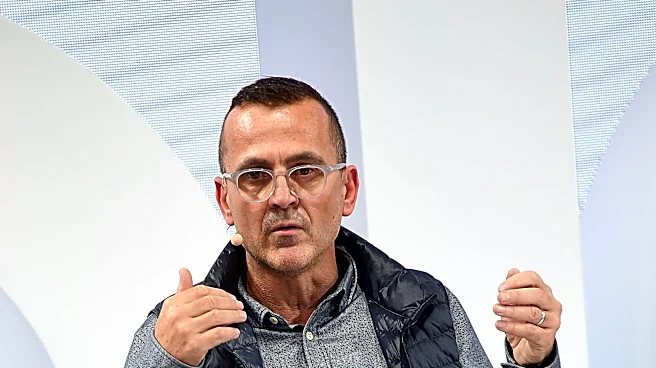
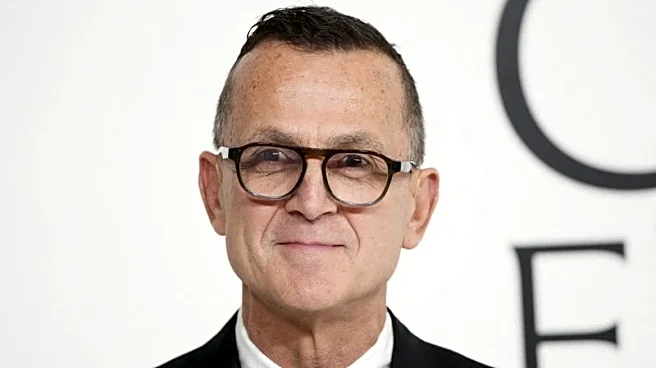
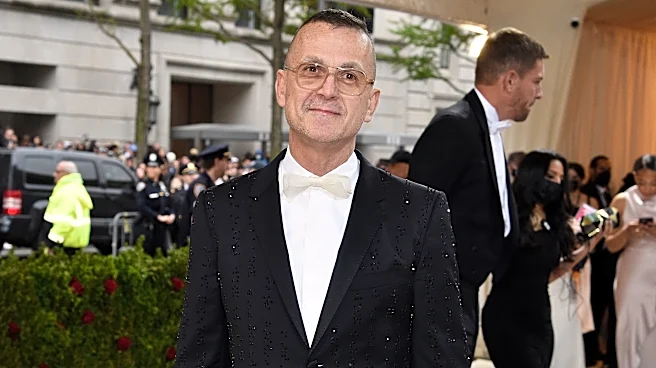
Steven Kolb has resigned as the chief executive of the Council of Fashion Designers of America (CFDA) after a physical altercation with PETA protesters during New York Fashion Week. The incident occurred at a COS runway show where activists demonstrated
against the use of sheep's wool. Footage circulated online showed Kolb physically engaging with protesters, pushing one against a window and wrestling another to the floor. Kolb initially took voluntary leave and issued an apology, stating his actions were 'inappropriate' and 'out of character.' The CFDA board of directors accepted his resignation, acknowledging his more than two decades of service, including 15 years as CEO. The organization, which represents over 300 American designers and manages initiatives like the CFDA/Vogue Fashion Fund and the annual CFDA Awards, has not yet named a successor.
Why It's Important?
Kolb's resignation marks a significant leadership change for the CFDA, a pivotal organization in American fashion. His departure comes at a time when the fashion industry is increasingly scrutinized for its ethical and environmental practices, particularly concerning animal welfare. The incident highlights the growing tension between fashion brands and animal rights activists, underscoring the need for effective and peaceful engagement with protest movements. The CFDA's future leadership will face the challenge of navigating these complex issues while continuing to support American designers and maintain New York Fashion Week's global relevance. The event also brings into focus the responsibilities of leaders in high-profile positions to maintain composure and adhere to professional conduct, especially when confronted with public demonstrations.
What's Next?
The CFDA will now begin the process of finding a successor to Steven Kolb. This transition will be crucial for the organization as it seeks to maintain its mission of supporting American fashion and addressing contemporary industry challenges. The incident with PETA may prompt the CFDA and other fashion organizations to re-evaluate their security protocols and strategies for handling protests at public events. Furthermore, the fashion industry as a whole may face increased pressure to adopt more sustainable and ethical practices, particularly regarding the use of animal products, as activist groups like PETA continue to advocate for their causes. The new leadership will likely need to prioritize these evolving industry standards and public expectations.
Beyond the Headlines
The altercation and subsequent resignation of Steven Kolb reveal deeper fault lines within the fashion industry concerning activism and corporate responsibility. While the CFDA had recently banned animal fur in collections, the protest at the COS show targeted the use of wool, indicating that activist demands are expanding. This incident underscores the ethical dilemmas faced by fashion brands and organizations as they strive to balance commercial interests with growing consumer and activist calls for greater sustainability and animal welfare. The public nature of the confrontation, amplified by social media, also highlights the power of digital platforms in shaping narratives and influencing outcomes in high-profile situations. The event may serve as a catalyst for broader discussions within the fashion world about how to engage with and respond to ethical challenges in a way that upholds both brand integrity and public trust.