








What's Happening?
The Colorado Sound is celebrating the 250th anniversary of the United States by airing a countdown of the top 250 recordings from the National Recording Registry. This initiative, led by Program Director Margot Chobanian, aims to highlight sound recordings that
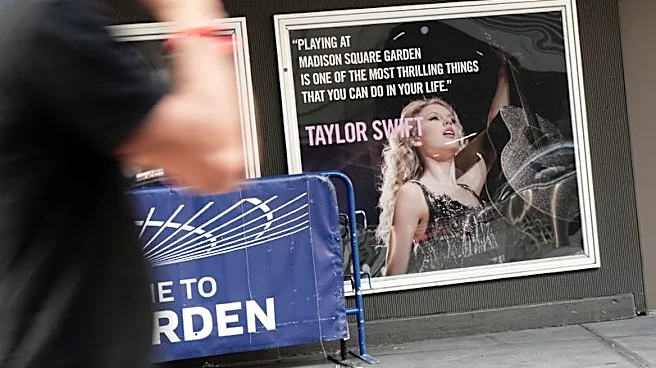
are considered culturally, historically, or aesthetically significant. The National Recording Registry, established in 2000, includes a wide range of audio from as early as 1853, such as slave narratives recorded in the 1930s and famous broadcasts like Neil Armstrong's moon landing speech. The most recent addition is Taylor Swift's 2014 album '1989'. The countdown is based on listener votes, reflecting the diverse audio heritage of the nation.
Why It's Important?
This event underscores the importance of preserving audio recordings as a means of understanding and reflecting on American history and culture. By engaging listeners in selecting significant recordings, the Colorado Sound fosters a deeper appreciation for the nation's audio heritage. This initiative not only celebrates past achievements but also encourages public participation in cultural preservation. The inclusion of diverse recordings, from music to historical speeches, highlights the multifaceted nature of American identity and the role of audio in documenting societal changes.
What's Next?
Following the countdown, there may be increased interest in the National Recording Registry, prompting more public engagement and possibly influencing future selections. The event could inspire other radio stations to undertake similar projects, further promoting the preservation and appreciation of audio history. Additionally, this initiative might lead to discussions on expanding the registry to include more contemporary and diverse recordings, reflecting ongoing cultural shifts.
Beyond the Headlines
The countdown not only celebrates historical recordings but also raises awareness about the significance of audio preservation in understanding cultural and historical contexts. It highlights the ethical responsibility of preserving narratives from marginalized communities, such as the slave narratives, ensuring these voices are not forgotten. This initiative may also influence educational approaches, encouraging the integration of audio history into curricula to provide a more comprehensive understanding of American history.