








What's Happening?
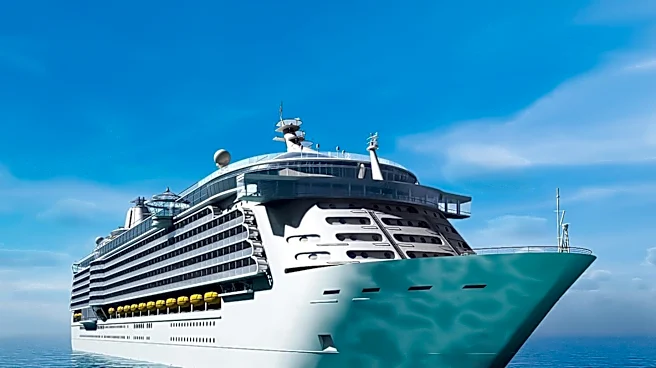
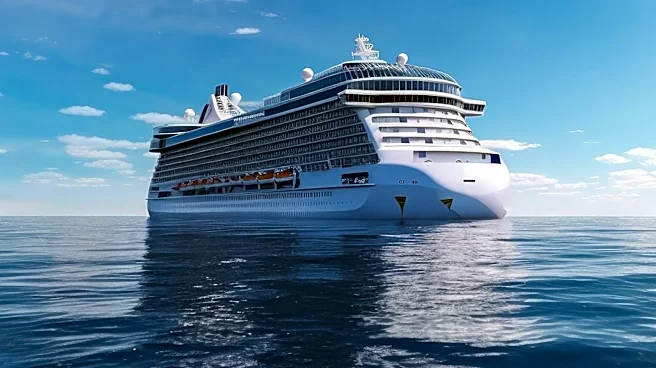
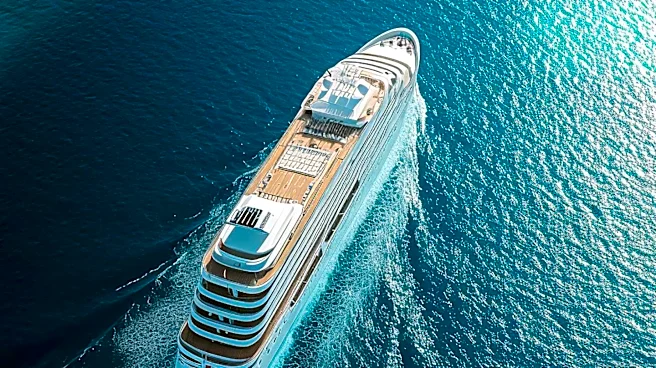
Luxury hotel brands are making significant inroads into the cruise industry, creating a new category of high-end travel at sea. According to Global Travel Collection (GTC), these branded voyages now account for 5% of future cruise bookings, with an average
price of $40,000 per trip, which is four times the cost of a traditional ocean cruise. This trend is largely driven by brand loyalists who are new to cruising but are following their trusted hospitality brands from land to sea. The U.S. cruise industry is projected to reach record highs in 2026, with an overall growth rate of 5%. The river cruise segment is expected to grow by 25%, and the yacht segment by 40%. GTC reports a 14% growth across all segments, nearly three times the industry rate, indicating a robust expansion fueled by increased spending among luxury travelers.
Why It's Important?
The entry of luxury hotel brands into the cruise market signifies a shift in the travel industry, where brand loyalty is extending beyond traditional boundaries. This development could reshape the cruise industry by attracting a new demographic of travelers who prioritize luxury and exclusivity. The high price point of these branded cruises suggests a potential increase in revenue for the cruise industry, which could lead to further investments and innovations in luxury travel offerings. Additionally, the growth in the yacht and river cruise segments highlights a broader trend towards more personalized and intimate travel experiences, which could influence future industry standards and consumer expectations.
What's Next?
As luxury hotel brands continue to expand their presence in the cruise market, other hospitality companies may follow suit, potentially leading to increased competition and innovation in luxury cruise offerings. The industry might see more collaborations between hotel brands and cruise lines to create unique travel experiences. Additionally, the focus on luxury and exclusivity could drive further segmentation within the cruise market, with more tailored offerings for different consumer preferences. Stakeholders in the travel and hospitality sectors will likely monitor these developments closely to adapt their strategies and capitalize on emerging opportunities.