



What's Happening?
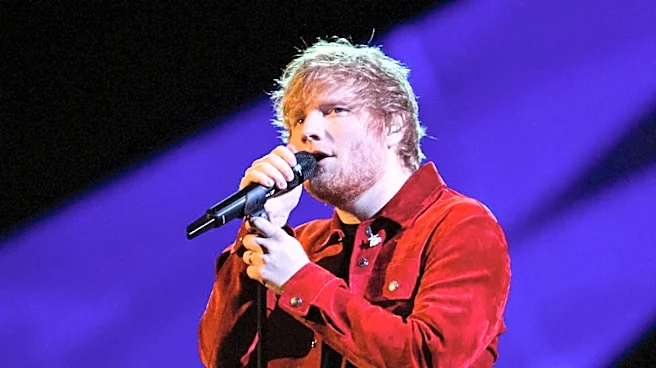
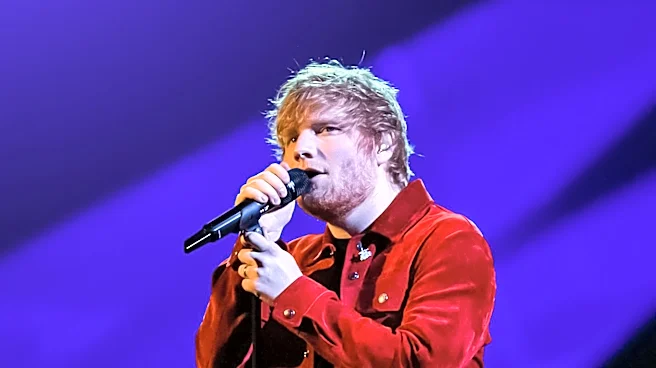
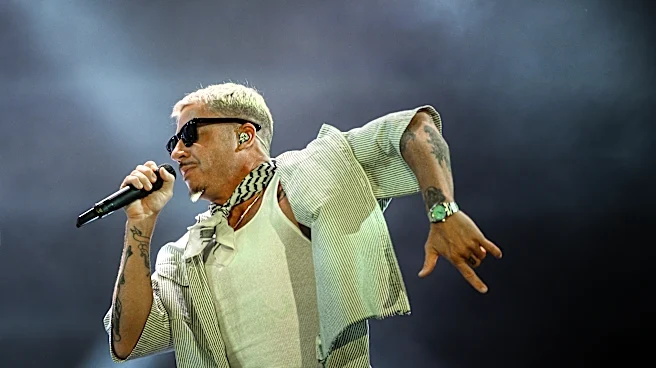
The Israeli-American Council (IAC) has launched a petition calling for rapper Macklemore to be removed as the opening act for Ed Sheeran's North American 'Loop Tour'. This demand follows Macklemore's on-stage speeches in support of 'Free Palestine' during
two of Sheeran's concerts at MetLife Stadium in New Jersey. During his performances, Macklemore expressed solidarity with Palestinians in Gaza and the West Bank, stating his intention to use the tour's platform to advocate for his views. He also performed his 2024 anti-Israel protest song, 'Hind's Hall,' which includes imagery from Gaza and pro-Palestine messaging. The IAC's petition argues that the concerts are music events, not political rallies, and questions the appropriateness of an opening act using such a large platform to advance a 'one-sided political agenda' with 'biased messaging and disputed claims.' Macklemore, whose real name is Benjamin Hammond Haggerty, is scheduled to perform with Sheeran through September and October, concluding on November 7 in Tampa, Florida.
Why It's Important?
This incident highlights the growing tension between artistic expression and audience expectations at live entertainment events, particularly concerning politically charged topics. The petition from the Israeli-American Council underscores a broader debate about the role of performers in using their platforms for activism and the potential impact on diverse audiences. For concert organizers and artists like Ed Sheeran, it raises questions about managing the content presented by supporting acts and the potential for backlash from different segments of their fanbase. The controversy could influence future contractual agreements for opening acts, potentially leading to more explicit guidelines regarding on-stage commentary. Furthermore, it reflects the ongoing polarization surrounding the Israeli-Palestinian conflict within the U.S. public sphere, where cultural events can become unexpected venues for political discourse, affecting consumer experiences and potentially leading to calls for boycotts or refunds from attendees who feel alienated by such messages.
What's Next?
The immediate next step will likely involve Ed Sheeran's management and tour organizers addressing the petition and deciding whether to take action regarding Macklemore's continued participation in the 'Loop Tour'. Macklemore has defended his stance, emphasizing that his support for Palestinians is not a criticism of Jewish people, stating his message is for peace and equality. This response indicates he is unlikely to retract his statements or alter his performances. The IAC has also requested clarification on whether Macklemore's political speeches and visual content were pre-approved and urged the establishment of clear boundaries for political messaging on tour stages. Depending on the tour's response, there could be further public statements from either side, potential protests, or continued debate on social media. The situation may also prompt other artists and event organizers to re-evaluate their policies on political expression during live performances, especially for supporting acts.
Beyond the Headlines
This controversy delves into deeper implications concerning freedom of speech versus contractual obligations and the commercial nature of entertainment. While artists often use their platforms for social commentary, the context of an opening act for a headliner like Ed Sheeran introduces complexities regarding brand association and audience expectations. The IAC's petition explicitly states, 'Your show. Your stage. Your responsibility,' which points to the accountability expected from headlining artists and tour organizers for the content presented during their events. This incident could set a precedent for how political activism is managed in large-scale concert tours, potentially leading to more restrictive clauses in artist contracts or increased scrutiny of opening acts' planned performances. It also reflects a broader societal trend where consumers increasingly expect brands and public figures to align with their values, leading to potential economic consequences for those perceived as taking a stance that alienates a significant portion of their audience.