


What's Happening?
The city of Vernon, California, a municipality historically friendly to industrial development, is now considering implementing environmental reviews for new data center projects. This shift comes after growing community concerns regarding the environmental impact
of these facilities, particularly their reliance on diesel backup generators. Currently, most development in Vernon is permitted 'by right,' bypassing formal environmental assessments. However, at a recent council meeting, members initiated steps towards zoning changes that would mandate environmental reviews for data centers. This move follows a decision by the city's public utility to halt new requests for data center grid connections and increasing pressure from the Los Angeles Unified School District, which is opposing a Digital Realty data center planned near Vernon City Elementary School. Deputy Supt. Pedro Salcido expressed concerns about noise, pollution from generators, and dust from construction. A UC Riverside report estimated the health cost of running data center backup generators in California at approximately $33 million in 2023, with a third of that in the Los Angeles region.
Why It's Important?
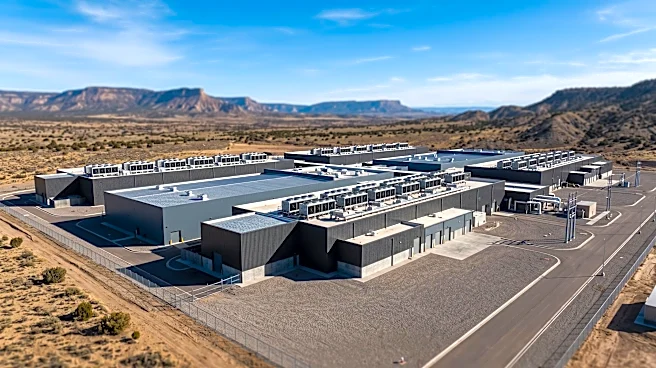
This development in Vernon signifies a growing national trend of communities re-evaluating the environmental and social costs of data center proliferation. While data centers are crucial for the digital economy, their significant energy and water demands, coupled with emissions from backup generators, are raising concerns. The potential zoning changes in Vernon could set a precedent for other industrial-friendly cities, indicating that even in areas historically prioritizing business growth, environmental and community well-being are gaining prominence. For companies like Digital Realty and Prime Data Centers, this could mean increased regulatory hurdles, longer development timelines, and potentially higher operational costs due to stricter environmental compliance. The shift also highlights the increasing power of community activism and environmental justice groups in shaping local policy, particularly in areas historically burdened by industrial pollution.
What's Next?
The Vernon City Council is scheduled to hold a public hearing on November 17 to discuss subjecting future data centers to public environmental review and development agreements. A vote on these proposed changes is slated for December 15. If approved, these measures would override the recommendation of the city's own Business and Industry Commission, which has been split on the issue. Miles Solomon, an industrial Realtor and BIC member, advocated for a new tax on data centers rather than stricter permitting, while Brian Baley, another BIC member, supported the zoning change. The outcome of these votes will determine the future regulatory landscape for data center development in Vernon and could influence how other municipalities approach similar projects, especially given the ongoing construction of several large data centers in the area, including projects by CoreSite Real Estate, SCIND Fruitland Point LLC, and Goodman Group.
Beyond the Headlines
The debate in Vernon extends beyond immediate environmental concerns, touching upon deeper issues of urban planning, corporate responsibility, and environmental justice. The city's unique demographic, with a small residential population and a large commuter workforce, has historically limited internal opposition to industrial development. However, the scale and impact of data centers are challenging this dynamic, drawing attention from external stakeholders like the Los Angeles Unified School District and environmental justice groups. The situation underscores the tension between economic development and environmental protection, particularly as the demand for data centers continues to surge with the growth of AI and digital services. The outcome in Vernon could influence how communities nationwide balance the economic benefits of tech infrastructure with the imperative to protect public health and the environment, potentially leading to more comprehensive and community-centric approaches to industrial zoning.