






What's Happening?
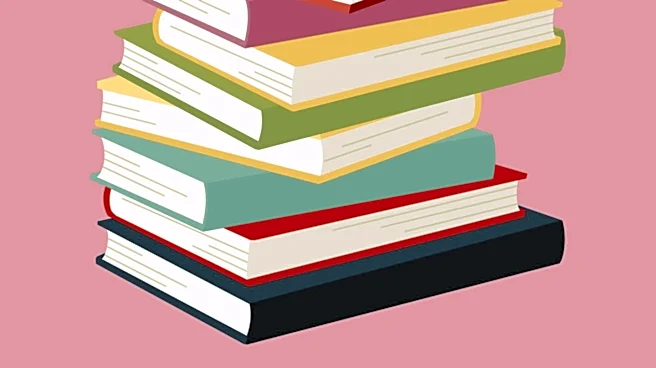
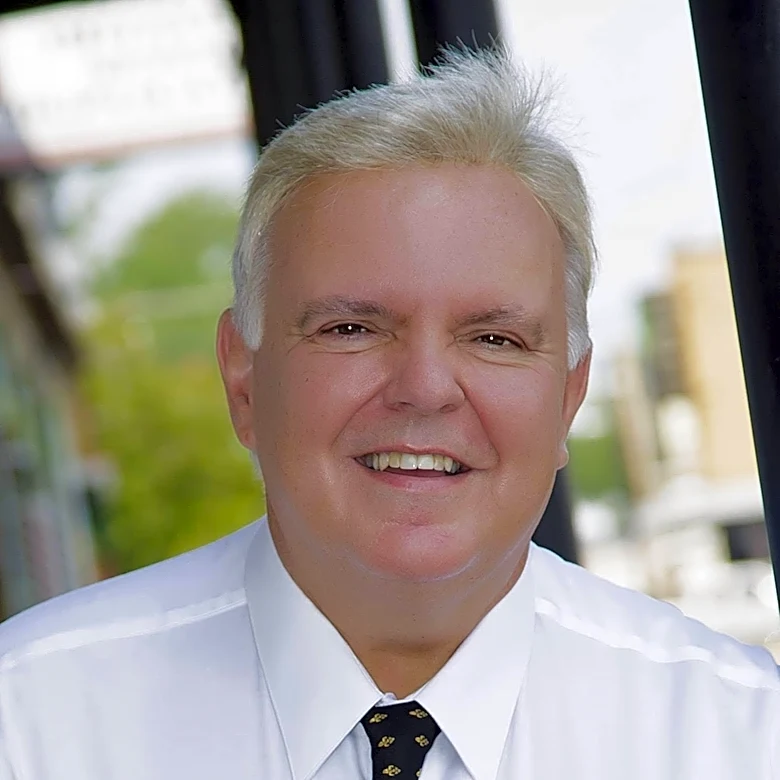
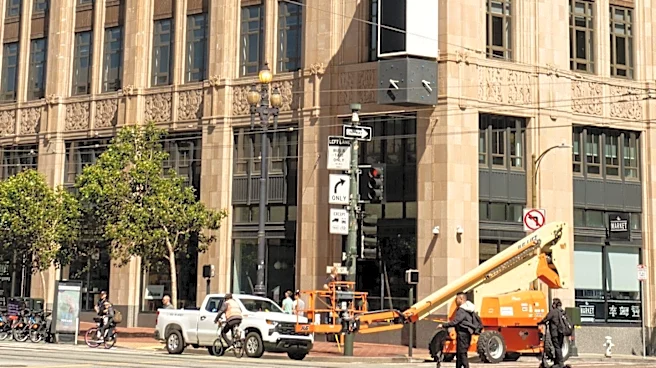
Randall Tarpey-Schwed, a San Francisco resident, has established the Tarpey-Schwed LGBT Families Children’s Book Collection, housed at the Mechanics Institute. This new archive aims to preserve and make accessible children's literature featuring queer
characters, themes, and diverse family representations. The collection, which includes over 200 books, magazines, and other printed materials, is considered one of the most comprehensive catalogs of early LGBTQ+ children's literature in the United States. The initiative comes in response to a significant increase in book banning efforts across the U.S., with a focus on titles that include LGBTQ+ characters or people of color. The American Library Association reported a surge from 208 challenged titles in 2016 to 4200 in 2025, with nearly 40% featuring LGBTQ+ content. Myles Cooper, a librarian at the Institute, emphasized the fragility of this area of collections due to these banning efforts, highlighting the importance of preserving such materials for historical and cultural reasons. The collection spans from 1969 with the novel 'I’ll Get There, It Better Be Worth the Trip' to more contemporary works, many of which have faced challenges or bans in school libraries.
Why It's Important?
The creation of the Tarpey-Schwed LGBT Families Children’s Book Collection is a significant development in the ongoing cultural and political debate surrounding LGBTQ+ representation in children's literature. This archive directly counters efforts to erase LGBTQ+ identities from public spaces, particularly in educational settings. By preserving these books, the collection ensures that future generations have access to stories that reflect diverse family structures and experiences, fostering inclusivity and understanding. The alarming increase in book challenges and bans, as reported by the American Library Association, indicates a broader societal struggle over values and the control of information accessible to children. This collection serves as a vital resource for researchers, educators, and families seeking to promote acceptance and combat prejudice. It also highlights the role of libraries and archives in safeguarding intellectual freedom and historical narratives, especially when certain narratives are under attack. The initiative underscores the importance of representation in media for the healthy development and self-identification of LGBTQ+ youth and children from LGBTQ+ families.
What's Next?
The establishment of this archive could inspire similar initiatives in other regions facing book banning challenges, potentially leading to a broader movement to preserve diverse children's literature. The collection will likely become a valuable resource for academic research on LGBTQ+ history, children's literature, and censorship trends in the U.S. It may also serve as a platform for advocacy groups to highlight the impact of book bans and promote intellectual freedom. The Mechanics Institute, by housing this collection, could become a focal point for discussions and events related to LGBTQ+ representation and the importance of diverse storytelling. Authors and publishers of LGBTQ+ children's books may find renewed support and visibility through such archives. Conversely, the ongoing efforts to ban books could intensify, leading to further debates and legal challenges regarding curriculum content and library policies. The long-term impact will depend on the continued support for such archives and the broader societal response to the push for inclusivity in children's education.
Beyond the Headlines
The Tarpey-Schwed LGBT Families Children’s Book Collection delves into the deeper implications of cultural memory and the power of storytelling in shaping societal norms. The act of banning books is not merely about removing specific titles; it's an attempt to control narratives, erase identities, and limit the perspectives available to young minds. This archive, therefore, becomes a powerful act of resistance, asserting the right to exist and be seen for LGBTQ+ individuals and families. It highlights the ethical responsibility of institutions to protect intellectual freedom and ensure that all children can find themselves reflected in the stories they read. The collection also sheds light on the historical evolution of LGBTQ+ representation in media, showcasing the courage of early authors and publishers who dared to challenge prevailing norms. In a broader sense, it speaks to the ongoing struggle for civil rights and equality, demonstrating how cultural battles over books are often proxies for larger societal conflicts about identity, acceptance, and the future of a diverse democracy.