





What's Happening?
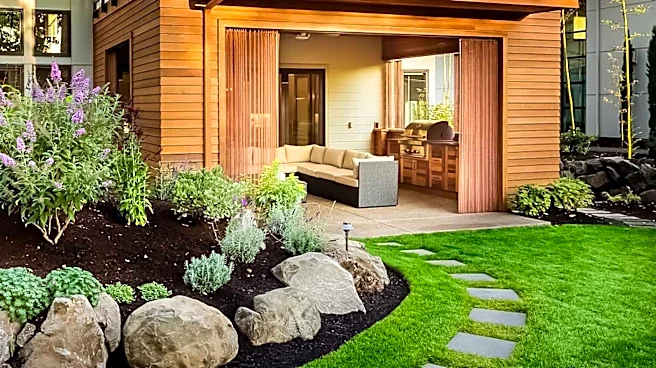
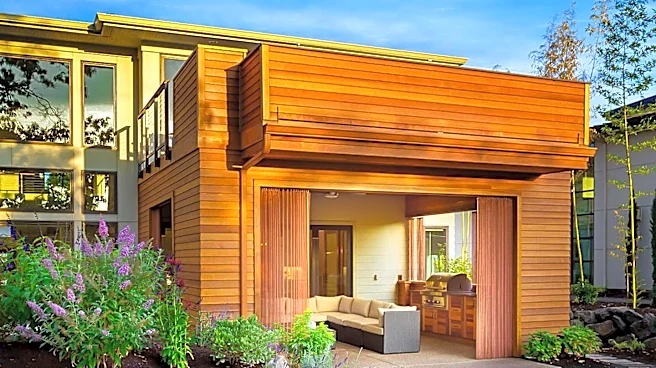
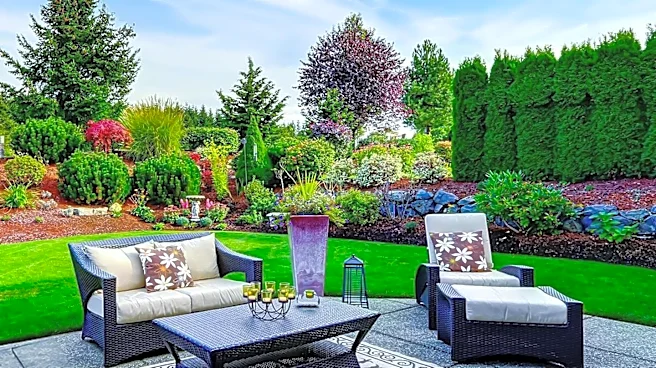
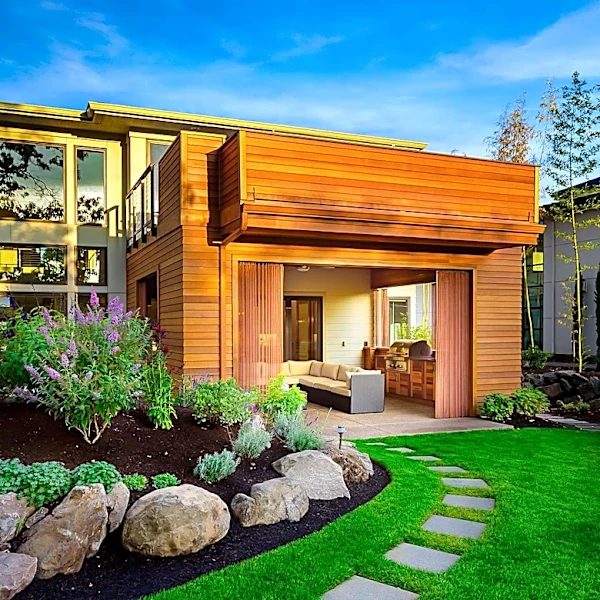
The Gazette Journal has revisited the topic of garden planning, emphasizing the desire of most individuals to extend their living spaces outdoors for pleasure and relaxation within a colorful landscape. The article underscores the numerous benefits plants
provide, including improving air and water quality, reducing erosion, decreasing summer air temperatures, offering privacy, and muffling street noises. Before commencing any garden work, the publication advises careful consideration of several key factors. These include the garden's location and size, the amount of sun and shade it receives throughout the day and across seasons, the availability of a water source, the soil's pH and overall quality, and any physical restrictions of the site. Understanding the movement of the sun is crucial for defining garden spaces and determining suitable plant selections.
Why It's Important?
This focus on garden planning is important because it encourages thoughtful and sustainable development of outdoor spaces. By highlighting the environmental benefits of plants, the article promotes ecological awareness and encourages practices that contribute to healthier local ecosystems. The practical advice on site assessment—considering sun exposure, water sources, and soil quality—helps gardeners make informed decisions, leading to more successful and resilient gardens. This reduces wasted effort and resources, making gardening a more rewarding experience. Furthermore, by framing gardens as extensions of living spaces, the Gazette Journal emphasizes the role of landscaping in enhancing quality of life, providing aesthetic pleasure, and creating functional outdoor areas for relaxation and social interaction. This perspective can inspire more individuals to invest in and maintain their green spaces, benefiting both personal well-being and the broader community environment.
What's Next?
Readers of the Gazette Journal can anticipate further articles or columns that delve deeper into specific aspects of garden planning and maintenance. Future content might explore detailed guides on soil testing and amendment, water conservation techniques for gardens, plant selection based on sun exposure and climate, or creative ideas for designing outdoor living spaces. There could also be features on seasonal gardening tasks, pest management strategies, or the benefits of native plants. The publication may also highlight local gardening resources, workshops, or community garden initiatives. By continuing to provide practical and inspiring content, the Gazette Journal aims to support both novice and experienced gardeners in creating and maintaining beautiful, functional, and environmentally beneficial outdoor environments.
Beyond the Headlines
Beyond the practical advice, the Gazette Journal's emphasis on outdoor living spaces reflects a broader societal trend towards integrating nature into daily life for improved well-being. This movement acknowledges the psychological benefits of green spaces, such as stress reduction, improved mood, and increased physical activity. Ethically, promoting gardening and landscaping encourages stewardship of the local environment and biodiversity. Culturally, well-designed outdoor spaces can become focal points for community gatherings and personal reflection, enhancing social cohesion and individual peace. The long-term implications include the potential for urban greening initiatives, increased property values in well-landscaped areas, and a greater collective appreciation for ecological balance within residential and public spaces. This holistic view positions gardening not just as a hobby, but as a vital component of sustainable living and community health.