



What's Happening?
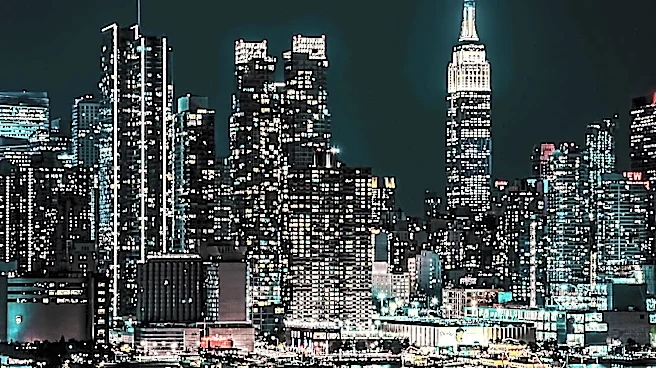
New York City's tech sector has become the second-largest office leasing sector, surpassing the legal industry and now trailing only finance. According to a September JLL report cited by GlobeSt.com, tech tenants have leased 1.1 million square feet across
the metro area in the third quarter. This surge marks one of the busiest summers for office leasing in recent memory, with artificial intelligence (AI) companies accounting for approximately 60% of this quarter's tech leasing activity. The demand spans AI companies of all sizes, from those seeking 5,000 square feet to those requiring 100,000 square feet, intensifying competition for available space. Manhattan's office supply has reached its lowest level since September 2020, as reported by Colliers in August, leading to AI tenants competing directly with established finance and law firms for a shrinking pool of properties. Flatiron remains the most sought-after tech submarket, with Hudson Square, the Penn District, and Downtown emerging as alternative options for tenants facing space constraints.
Why It's Important?
The significant increase in tech office leasing, particularly driven by AI, highlights a major shift in New York City's commercial real estate landscape. This trend indicates the growing economic influence of the technology sector, which is now a primary driver of office space demand, potentially leading to increased rental prices and further development in tech-centric areas. The competition for limited office space between rapidly expanding AI companies and established finance and legal firms could reshape urban planning and infrastructure development to accommodate these evolving needs. The concentration of tech talent, fueled by an 18% growth in residents with graduate degrees since 2019 and New York's appeal to college graduates, reinforces the city's position as a leading hub for innovation. This dynamic could attract more tech companies and investment, further solidifying New York's role in the global technology ecosystem, while also posing challenges for smaller startups to secure affordable space.
What's Next?
The continued surge in AI-driven demand is expected to maintain pressure on New York City's office market, potentially leading to further decreases in available supply and upward pressure on lease rates. Developers may prioritize new constructions or redevelopments in areas favored by tech companies, such as Flatiron, Hudson Square, the Penn District, and Downtown, to meet the specialized needs of these tenants. The competition for talent is also likely to intensify, with startups continuing to recruit from larger, established tech firms. While finance and law firms typically have more predictable space needs, the rapid growth and evolving requirements of AI companies suggest a more volatile and dynamic leasing environment. This could lead to more flexible lease terms and innovative office solutions to accommodate the fast-paced nature of the AI industry. The city's ability to sustain its talent pipeline will be crucial in supporting this growth.
Beyond the Headlines
The shift in office leasing dominance from the legal sector to the tech sector, particularly AI, reflects a broader economic transformation in New York City, moving towards a more technology-driven economy. This trend has implications beyond real estate, influencing urban demographics, public transportation, and the types of amenities and services that thrive in commercial districts. The demand for specialized office spaces that foster innovation and collaboration, often preferred by tech companies, could lead to architectural and design changes in future commercial developments. Furthermore, the increased presence of AI companies could accelerate the adoption of advanced technologies within the city's infrastructure and other industries, potentially creating a ripple effect of technological advancement. The challenge will be to balance this rapid growth with sustainable urban development and ensure equitable access to opportunities for all businesses and residents.