







What's Happening?
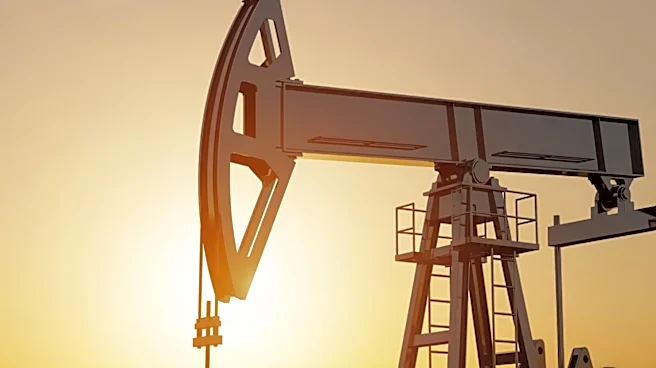
The United States is experiencing a resurgence in oil production through Enhanced Oil Recovery (EOR) techniques, which are unlocking previously unrecoverable oil reserves. EOR methods, such as carbon dioxide injection, natural gas injection, and advanced
reservoir modeling, are being employed to extract oil from mature fields that have been producing for decades. This approach is seen as a significant opportunity, with estimates suggesting the value of these remaining resources could exceed $42 trillion. The Permian Basin, Texas, and other major oil-producing states are at the forefront of this development, leveraging existing infrastructure and geological knowledge to maximize recovery rates.
Why It's Important?
The adoption of EOR techniques represents a shift in the U.S. oil industry, focusing on maximizing output from existing fields rather than discovering new ones. This approach enhances domestic energy security, reduces reliance on foreign oil, and supports economic growth by tapping into vast untapped resources. The potential economic impact is substantial, with the possibility of generating billions of additional barrels of oil. This development also aligns with environmental goals, as EOR can be integrated with carbon capture and storage technologies, reducing the carbon footprint of oil production.
What's Next?
As technology continues to advance, the potential for EOR to further boost U.S. oil production is significant. The industry is likely to see increased investment in EOR projects, particularly in regions with established infrastructure and favorable geological conditions. Policymakers may also consider supporting EOR initiatives through incentives and regulatory frameworks that encourage sustainable practices. The success of EOR could influence global energy markets, positioning the U.S. as a leading oil producer and exporter. Additionally, the integration of carbon capture technologies with EOR could play a crucial role in addressing climate change concerns.