




What's Happening?
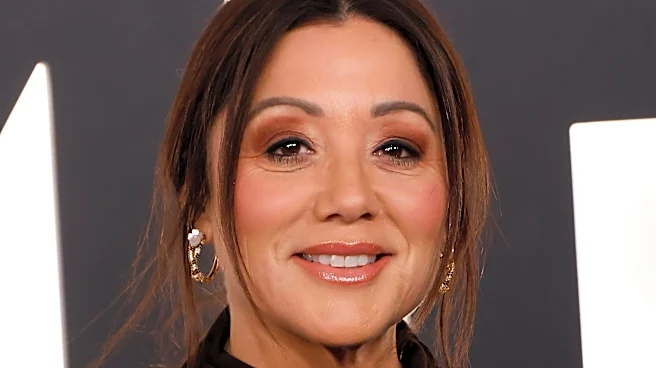
Actress Patricia Heaton has publicly raised concerns regarding Disney's upcoming animated movie, 'Hexed,' questioning whether it promotes occult practices and is suitable for children. Heaton, known for her Christian faith, shared her thoughts on X (formerly
Twitter) after viewing a trailer for the film. She expressed apprehension that the movie's depiction of witches might conflict with religious beliefs, particularly for impressionable young audiences. While she did not explicitly label the film as 'satanic,' her comments initiated a debate among her followers. Heaton clarified that her primary concern was the potential influence on children, suggesting that the trailer presented a 'sanitized/attractive version' of witchcraft, which she believes could be problematic. The film 'Hexed' is described as following an awkward teen and her mother who discover magical powers, leading them into a hidden magical realm. It features voice talents from Hailee Steinfeld, Rashida Jones, Jodie Foster, and Walton Goggins and is scheduled for release on November 25.
Why It's Important?
Patricia Heaton's public questioning of Disney's 'Hexed' highlights a recurring tension between entertainment content and religious or moral values in the U.S. This debate often impacts how families choose media for their children, potentially influencing box office performance and streaming viewership for films perceived as controversial. For Disney, a company that traditionally caters to family audiences, such discussions can lead to scrutiny from parent groups and religious organizations, potentially affecting its brand image and market reach. The controversy also underscores the broader cultural conversation about the portrayal of magic and supernatural themes in children's media, and whether such portrayals normalize or glorify practices that some religious communities deem inappropriate. The reactions from Heaton's followers, ranging from agreement to counter-arguments, demonstrate the diverse perspectives within the American public on what constitutes acceptable content for young viewers.
What's Next?
The release of Disney's 'Hexed' on November 25 will likely be met with continued discussion and scrutiny, particularly from religious and parent groups. Depending on the film's content and public reception, there could be calls for boycotts or increased dialogue about media literacy and parental guidance in entertainment choices. Disney may face pressure to address these concerns, either through official statements or by emphasizing the fantasy elements of the film. The debate could also prompt other public figures to weigh in, further polarizing opinions. For consumers, the controversy might lead to more informed decisions about viewing choices, with some families opting to avoid the film based on religious objections, while others may view it as harmless fantasy. The long-term impact could influence future content creation in the animation industry, potentially leading studios to be more cautious or explicit about the themes they explore in children's programming.
Beyond the Headlines
The controversy surrounding 'Hexed' delves into deeper societal implications regarding the role of media in shaping cultural values and beliefs. It touches upon the ethical responsibility of content creators, especially those targeting children, to consider the diverse moral frameworks of their audience. The discussion also highlights the evolving nature of 'occult' perceptions in modern society, where fantasy elements like witches are often normalized in popular culture, yet still trigger strong reactions from certain religious perspectives. This incident reflects a broader cultural struggle over narrative control and the interpretation of symbols, where entertainment is not merely seen as escapism but as a potential influencer of worldview. It also underscores the power of celebrity voices in shaping public discourse and mobilizing opinion, demonstrating how individual concerns can quickly escalate into widespread debates about media ethics and parental authority.