






What's Happening?
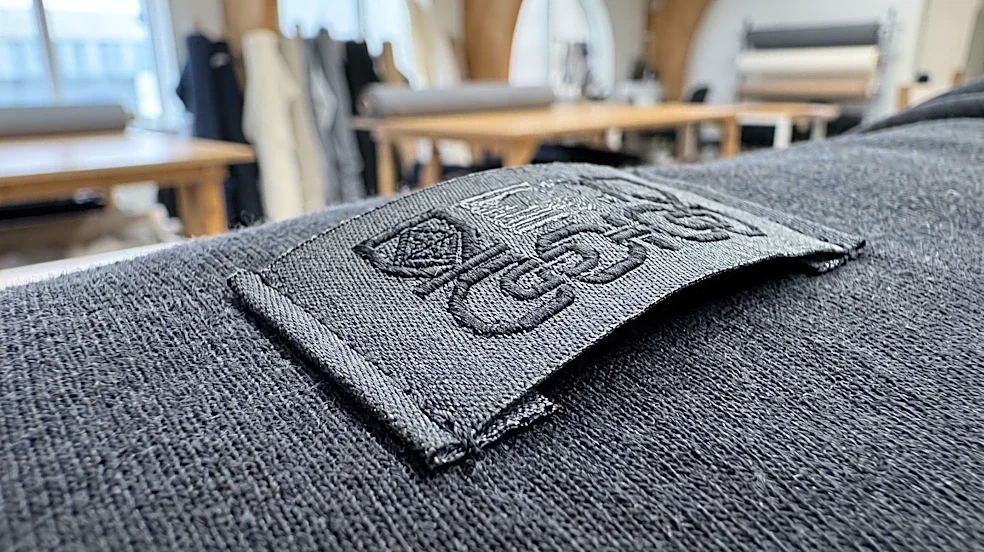
Fear of God, a Los Angeles-based luxury streetwear brand, is intensifying its anti-counterfeiting efforts, filing over two dozen federal trademark-related lawsuits this year. These lawsuits target both online sellers and businesses involved in the physical
distribution of unauthorized merchandise bearing its trademarks. This expanded enforcement campaign coincides with founder Jerry Lorenzo's increased operational control, as he reportedly eliminated the CEO position in April to assume greater leadership. The brand's strategy now includes targeted lawsuits against specific businesses and individuals, moving beyond its previous reliance on mass-defendant litigation. For instance, a recent lawsuit filed on October 12 in California federal court accuses Royalink Trading Inc. and two individuals of trafficking counterfeit FEAR OF GOD and ESSENTIALS trademarks, following a May 14 search that seized a large quantity of counterfeit goods.
Why It's Important?
This shift in Fear of God's anti-counterfeiting strategy is significant for the fashion industry, particularly for luxury and streetwear brands whose brand identity and pricing power are heavily reliant on their trademarks. Counterfeit goods not only impact sales of authentic products but also dilute brand value and consumer trust. By pursuing both online and physical channels of counterfeiting, Fear of God is setting a precedent for a more comprehensive enforcement model. This approach could influence how other brands protect their intellectual property in a market where counterfeit goods are increasingly sophisticated and widespread. The legal actions highlight the challenges brands face in safeguarding their trademarks and the evolving tactics required to combat illicit trade effectively.
What's Next?
Fear of God's continued legal actions are expected to put increased pressure on counterfeiters operating both online and through physical distribution networks. This multifaceted strategy, combining mass-defendant litigation with targeted lawsuits and collaboration with law enforcement, suggests a sustained effort to curb the flow of fake merchandise. Other brands may observe and potentially adopt similar comprehensive anti-counterfeiting measures, leading to a broader industry-wide shift in intellectual property protection. The outcomes of these lawsuits could also set new legal precedents regarding brand liability and enforcement capabilities in the fight against counterfeiting, potentially influencing future legislation or judicial interpretations in trademark law.
Beyond the Headlines
The expanded anti-counterfeiting strategy by Fear of God, coupled with Jerry Lorenzo's direct operational oversight, underscores a deeper commitment to brand integrity and market control. This move reflects a growing trend among luxury brands to assert more direct control over their image and distribution channels in an increasingly complex global market. The ethical implications of counterfeiting extend beyond economic losses, impacting labor practices, consumer safety, and the creative integrity of designers. By aggressively pursuing counterfeiters, Fear of God is not only protecting its business interests but also contributing to a broader effort to uphold ethical standards and intellectual property rights within the fashion industry, potentially influencing consumer perception and purchasing habits towards authentic products.