





What's Happening?
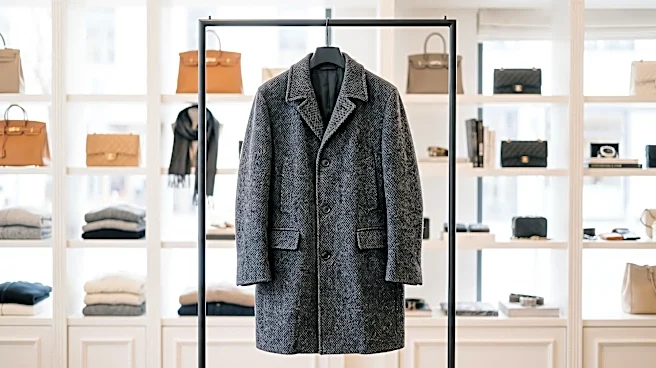
The RealReal, a luxury goods resale marketplace, is under scrutiny after a customer, Jack Savoie, purchased a coat advertised as 'vintage unbranded' for $595, only to discover it was a currently available, branded item from Soft Surroundings retailing
for $349. Savoie shared his experience on Instagram, leading to significant public attention and a refund from The RealReal, which also allowed him to keep the coat. The company acknowledged the error and stated it is reviewing its internal processes. This incident highlights ongoing concerns about the authentication process for apparel on resale platforms, particularly given a 2019 CNBC investigation that found copywriters, rather than dedicated authentication teams, sometimes checked clothing items. The RealReal defines vintage as pieces at least 15 years old that are significant to fashion history, culturally and stylistically relevant.
Why It's Important?
This incident is important because it directly impacts consumer trust in the rapidly growing luxury resale market. The RealReal's business model relies heavily on its promise of authenticity and expert curation, which is a key differentiator for consumers willing to pay premium prices for secondhand luxury goods. A lapse in authentication, especially for an item significantly overpriced compared to its new retail value, can erode this trust. For the broader resale industry, such events underscore the challenges of maintaining rigorous authentication standards across a vast inventory, particularly as the market expands. Consumers stand to lose financially if they cannot rely on the accuracy of product descriptions and authentication claims, while platforms like The RealReal risk reputational damage and potential loss of market share if these issues become widespread or are not addressed transparently and effectively.
What's Next?
Following Jack Savoie's public complaint and The RealReal's response, the company is expected to review and potentially reinforce its internal authentication processes, especially for apparel. Savoie suggested the company be more transparent about its operations, a sentiment The RealReal reportedly agreed to consider. This could lead to clearer guidelines for what constitutes 'vintage' on the platform and more robust checks for item branding and pricing. Consumers will likely remain vigilant, with some already advising others to 'Google lens everything' before purchasing. The incident may also prompt other resale platforms to re-evaluate their own authentication protocols to prevent similar occurrences and maintain consumer confidence in the secondhand luxury market.
Beyond the Headlines
The incident with The RealReal touches upon deeper ethical and operational challenges within the luxury resale industry. The reliance on 'authentication' as a core value proposition creates a significant responsibility for these platforms. When authentication fails, it not only impacts individual transactions but also raises questions about the scalability and reliability of human-led authentication processes in an era of increasingly sophisticated counterfeits and diverse product origins. Furthermore, the subjective definition of 'vintage' across different platforms and experts highlights a lack of standardized criteria, which can lead to consumer confusion and disputes. This event could spur a broader industry conversation about establishing clearer, more consistent standards for product descriptions and authentication, potentially leveraging technology to augment human expertise, to ensure long-term trust and sustainability in the secondhand luxury market.