






What's Happening?
Steakholder Foods, an Israeli food technology company, has introduced its Perfecta brand of plant-based meat and seafood alternatives to retail stores in the northeastern United States. The September rollout, facilitated through KeHE Distributors, includes
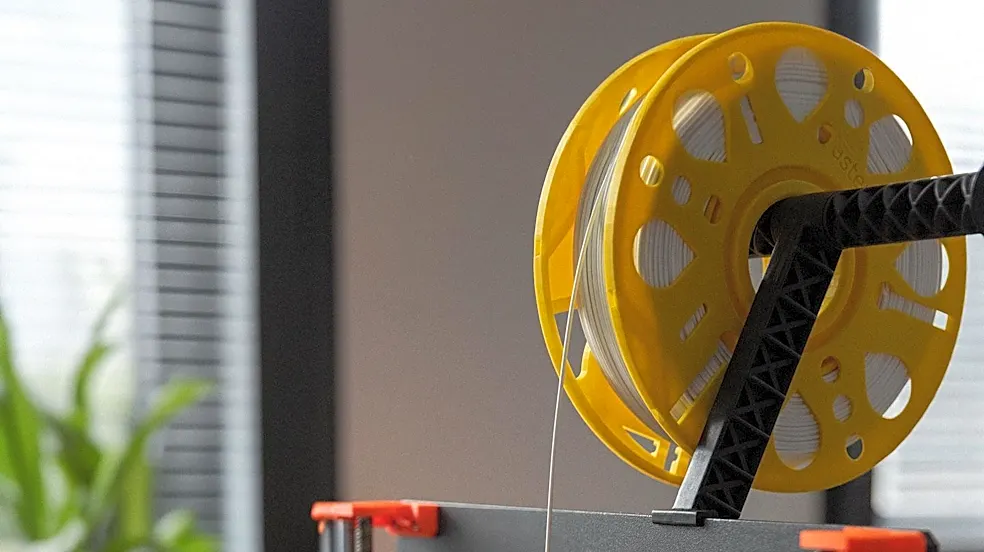
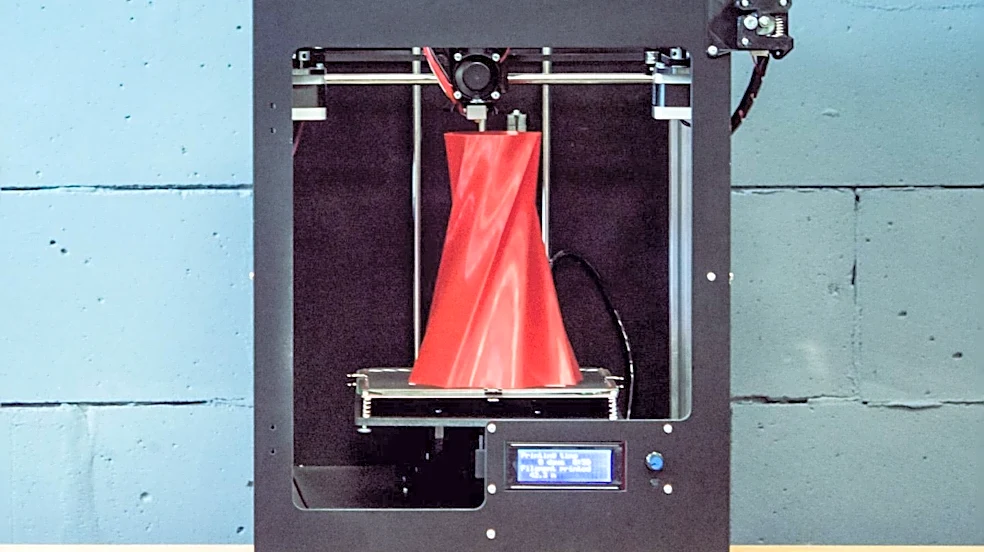
products such as marbled steak, filet mignon, chicken breast, salmon patties, and white fish patties. These products are designed to mimic the texture, appearance, and eating experience of conventional meat using the company's proprietary food-production technology, which includes 3D printing and other food-processing techniques like extrusion. While Steakholder Foods has explored cultivated-cell technologies, the Perfecta products currently available in U.S. retail are strictly plant-based alternatives, not lab-grown meat. The company aims to expand distribution beyond the Northeast, though a nationwide rollout schedule has not yet been announced.
Why It's Important?
The introduction of 3D-printed plant-based meat alternatives into U.S. retail marks a significant step in the commercialization of advanced food technology. This development offers consumers more realistic and diverse options in the plant-based food market, potentially appealing to those seeking alternatives to traditional meat for ethical, environmental, or health reasons. For the food industry, it signifies a move towards more sophisticated manufacturing methods that can precisely control product structure, texture, and appearance, which has been a challenge for plant-based alternatives. The success of Perfecta could influence investment and innovation in food technology, pushing other companies to explore similar production methods. However, the long-term impact will depend on factors such as consumer acceptance, affordability, and the ability to scale production to compete with established plant-based and conventional meat brands.
What's Next?
Steakholder Foods plans to expand the distribution of its Perfecta brand beyond the northeastern U.S., though specific timelines for a nationwide rollout are not yet public. The company will need to address challenges related to production costs and volumes to compete effectively with existing food manufacturing methods. Consumer response, including taste perception, affordability, and repeat purchases, will be crucial in determining the brand's success and broader market penetration. Manufacturers and retailers will be closely watching how these 3D-printed products perform, which could lead to increased adoption of similar technologies across the food industry. Further research and development in 3D food printing will likely focus on improving ingredient consistency, production speed, and cost-effectiveness, while also ensuring food safety and regulatory compliance.
Beyond the Headlines
The emergence of 3D-printed plant-based meat alternatives raises deeper questions about the future of food production and consumption. This technology blurs the lines between traditional agriculture, food science, and manufacturing, potentially leading to a redefinition of what constitutes 'food.' It could also spark discussions about the environmental footprint of food production, as plant-based and technologically advanced alternatives often promise sustainability benefits compared to conventional animal agriculture. Furthermore, the distinction between 3D-printed plant-based products and lab-grown meat (cultivated from animal cells) highlights the evolving landscape of alternative proteins and the need for clear consumer education regarding ingredients and production methods. The ethical implications of creating highly realistic meat alternatives through technology, and their potential impact on cultural food traditions, will also likely become more prominent as these products gain wider acceptance.