



What's Happening?
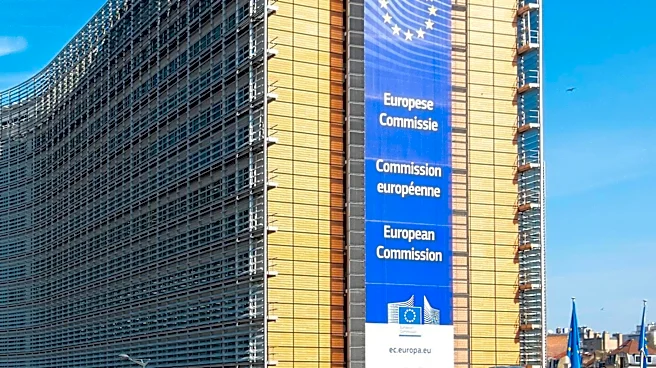
ArcelorMittal, a leading global steel and mining company, is navigating significant changes due to the European Union's new steel safeguards and e-commerce tariffs. These regulations include tighter steel import quotas and higher duties on excess shipments,
which are reshaping the cost and profit structures across supply chains. As Europe's largest steel producer, ArcelorMittal is positioned to benefit from reduced foreign competition and improved pricing power. The company is also focusing on lower carbon XCarb products, supported by these EU safeguards. However, the company faces challenges such as a heavy green capital expenditure bill and earnings volatility. ArcelorMittal's strategic moves, including partnerships to enhance automation and energy efficiency, are crucial as it adapts to these regulatory changes.
Why It's Important?
The EU's tariff changes are significant for the steel industry, particularly for companies like ArcelorMittal that are deeply integrated into the European market. These regulations could potentially enhance ArcelorMittal's market position by limiting cheaper foreign steel imports, thus allowing the company to regain market share. The focus on lower carbon products aligns with global decarbonization efforts, potentially offering long-term competitive advantages. However, the financial implications of these changes, including increased compliance costs and capital expenditures, could impact profitability. The broader steel industry may see shifts in competitive dynamics, influencing pricing and supply chain strategies across Europe and beyond.
What's Next?
ArcelorMittal is likely to continue its strategic focus on sustainability and efficiency improvements to capitalize on the EU's regulatory environment. The company's ongoing investments in automation and AI, as well as its partnerships, are expected to play a critical role in maintaining its competitive edge. Stakeholders, including investors and industry analysts, will be closely monitoring ArcelorMittal's financial performance and strategic initiatives to assess the long-term impact of these regulatory changes. The company's ability to manage its green capital expenditures and navigate earnings volatility will be key factors in its future success.
Beyond the Headlines
The EU's tariff changes highlight the growing importance of regulatory compliance and sustainability in the steel industry. ArcelorMittal's focus on lower carbon products reflects a broader industry trend towards environmental responsibility, which could influence consumer preferences and regulatory policies globally. The company's strategic adaptations may set a precedent for other industry players, potentially accelerating the shift towards more sustainable production practices. Additionally, the financial implications of these changes underscore the need for companies to balance regulatory compliance with profitability, a challenge that will likely shape industry strategies in the coming years.