



What's Happening?
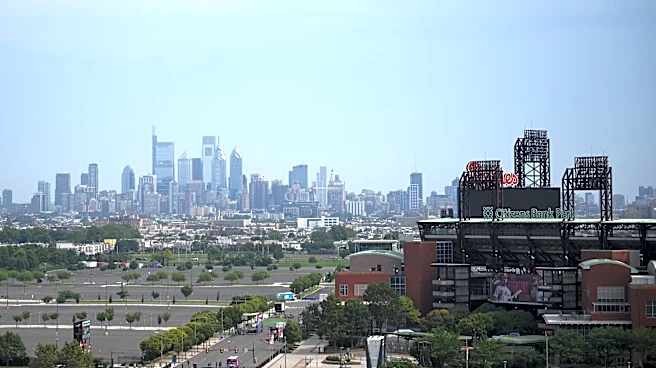
David Adelman and Dan Hilferty recently participated in the Greater Philadelphia Chamber Business of Sports event, where they discussed the future of sports in Philadelphia. A central topic of their conversation was the proposed new arena, which is targeted
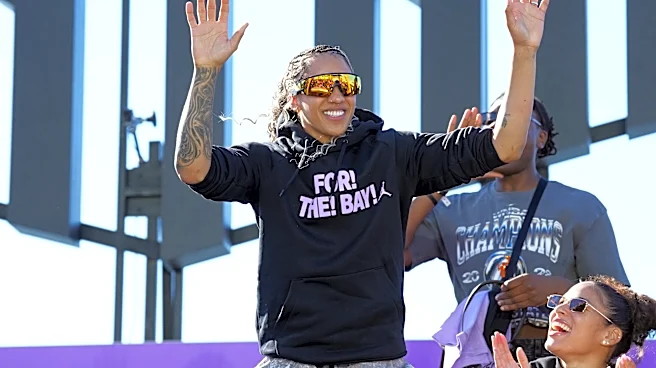
to open in 2030. This new facility is envisioned to be the home for the 76ers, Flyers, and a new WNBA team for Philadelphia. The discussion emphasized the importance of the fan experience and how it will be a major focus in the development of the arena. The leaders highlighted the potential for sports to generate jobs, support local businesses, attract investment, and foster community engagement within the city. The addition of a women's professional basketball team was also noted as a significant opportunity for growth, increased visibility, and connection within the community. The event underscored the deep connection between the future of sports and hospitality, emphasizing that every interaction surrounding a game contributes to the overall fan experience and their desire to return.
Why It's Important?
The proposed new arena and the expansion of professional sports in Philadelphia, including a new WNBA team, signify a substantial economic and social investment in the region. This development is poised to create numerous job opportunities, both directly within the sports and entertainment sectors and indirectly through supporting local businesses. The influx of investment associated with a major sports complex can stimulate urban development and enhance the city's appeal as a destination. For the U.S. sports industry, this project reflects a growing trend of prioritizing fan experience and integrating hospitality into sports venues, setting a potential benchmark for future developments. The inclusion of a WNBA team also highlights the increasing recognition and investment in women's professional sports, which can lead to greater visibility, sponsorship opportunities, and a broader fan base. This initiative could serve as a model for other cities looking to leverage sports as a catalyst for economic growth and community building.
What's Next?
The next steps involve the continued planning and development of the proposed new arena, with a target opening date of 2030. This will likely include further engagement with community stakeholders, securing necessary permits and funding, and detailed architectural and urban planning. The establishment of a new WNBA team will also require organizational efforts, including team formation, league integration, and marketing to build a local fan base. The emphasis on fan experience suggests that future developments will focus on innovative amenities and services within the arena. The ongoing collaboration among leaders like David Adelman and Dan Hilferty will be crucial in bringing this vision to fruition, ensuring that the project aligns with the broader goals of economic development and community enrichment in Philadelphia. The success of this project could influence similar initiatives in other U.S. cities considering significant investments in sports infrastructure.
Beyond the Headlines
Beyond the immediate economic and entertainment benefits, this initiative touches upon deeper societal implications, particularly regarding the role of sports in urban identity and community cohesion. The emphasis on collaboration among leaders and stakeholders suggests a model for large-scale urban projects that prioritize shared vision over individual interests. The integration of a WNBA team into the city's sports landscape also reflects a broader cultural shift towards greater gender equity and recognition in professional sports, potentially inspiring future generations of female athletes and fans. The focus on the 'entire fan experience' extends beyond just the game, hinting at a more holistic approach to entertainment that blends sports with hospitality, technology, and community engagement. This could lead to new paradigms in how sports venues are designed and operated, transforming them into multi-faceted community hubs rather than just event spaces. The long-term success of this project could redefine Philadelphia's image as a sports city and a hub for innovative urban development.