





What's Happening?
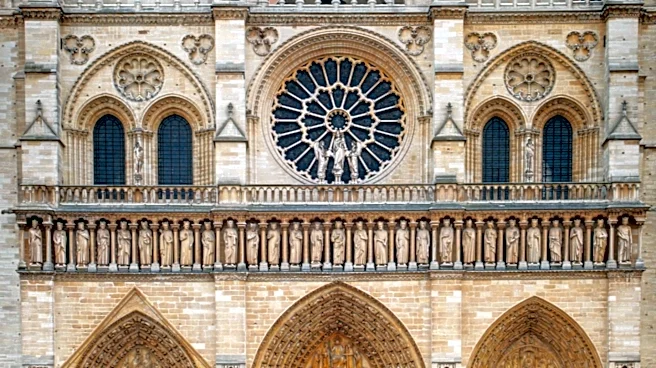
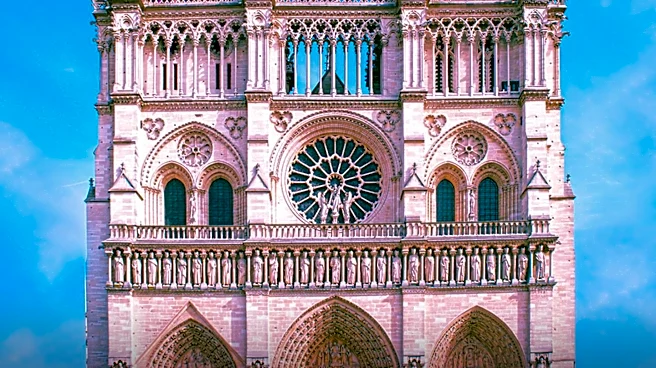
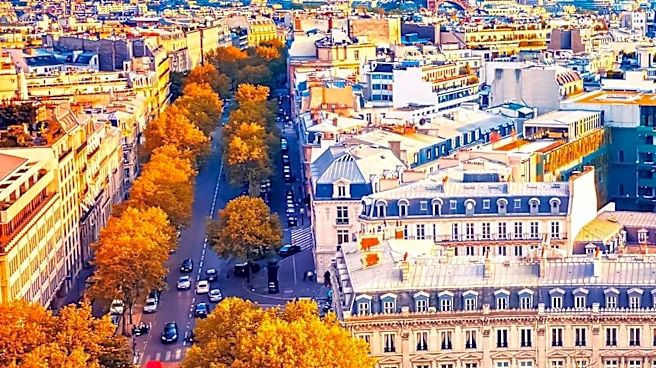
Paris, the capital of France, is a city rich in history and romantic ambiance, structured into 20 arrondissements that spiral out from its center. Key landmarks include the Eiffel Tower, the Louvre, and Notre-Dame. The city is also known for its dense
café culture and neighborhoods that encourage exploration on foot. For first-time visitors, central areas such as the 1st, 4th, 5th, 6th, and 7th arrondissements are recommended due to their convenient access to attractions, restaurants, and public transport. The best times to visit are during spring (April–June) and early autumn (September–October), which offer mild weather and fewer crowds. While major attractions remain open in August, many local businesses may close as Parisians take their summer holidays. The city's extensive Métro system provides fast transportation, though walking between neighboring arrondissements can often be quicker. Booking timed online entries for museums like the Louvre is advised to reduce queueing, and a basic French greeting is appreciated in shops and cafés. Sunday closures are common for smaller independent shops.
Why It's Important?
Paris's enduring appeal as a global cultural and tourist hub significantly impacts the international tourism industry. Its well-preserved historical sites, world-class museums, and vibrant cultural scene attract millions of visitors annually, contributing substantially to France's economy. The city's efficient public transportation system and walkable neighborhoods enhance the visitor experience, setting a benchmark for urban tourism. The seasonal recommendations for visiting highlight the importance of managing tourist flow, which can influence local business operations and the overall visitor experience. The emphasis on pre-booking tickets and using local etiquette underscores the evolving nature of international travel, where planning and cultural sensitivity are increasingly valued. For U.S. travelers, understanding these dynamics can optimize their travel experience, ensuring they make the most of their visit while respecting local customs and infrastructure. The continuous flow of tourists supports a vast ecosystem of hotels, restaurants, and cultural institutions, making Paris a critical player in the global tourism market.
What's Next?
Visitors planning a trip to Paris should continue to monitor travel advisories and local guidelines, especially concerning museum entry and public transport, as these can evolve. Future travel trends may see an increased emphasis on sustainable tourism practices and off-peak travel to mitigate overcrowding. The city will likely continue to invest in infrastructure and digital solutions to enhance visitor convenience, such as improved online booking systems and integrated public transport apps. Travelers can anticipate new cultural events and exhibitions, as Paris consistently reinvents its offerings to maintain its status as a premier destination. For instance, upcoming events in September 2026 include various festivals, art exhibitions, and sporting events, indicating a dynamic cultural calendar. These ongoing developments will shape future visitor experiences and continue to solidify Paris's position as a leading global city.
Beyond the Headlines
Beyond its iconic attractions, Paris embodies a rich tapestry of cultural and social nuances that profoundly influence its identity. The city's division into arrondissements reflects a historical and social stratification, each with its distinct character and community. The appreciation for basic French greetings and the common Sunday closures of independent shops highlight a cultural emphasis on local traditions and work-life balance, which contrasts with the 24/7 consumer culture prevalent in some other major cities. This cultural fabric extends to its culinary scene, where local bistros and markets offer authentic experiences distinct from tourist-centric establishments. The city's commitment to preserving its heritage while embracing modernity, as seen in its ongoing restoration projects and efficient urban planning, showcases a delicate balance between past and present. This blend of tradition and contemporary life offers a deeper, more immersive experience for those who venture beyond the main tourist routes, revealing the true essence of Parisian life.