




What's Happening?
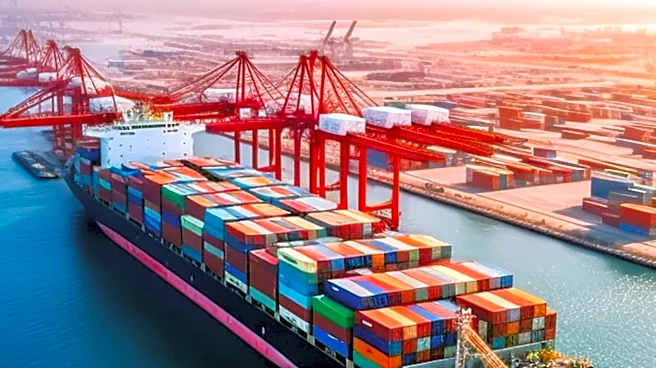
South Carolina Ports (SC Ports) and the U.S. Army Corps of Engineers, Charleston District, have signed an agreement to conduct a feasibility study for deepening the channel at the North Charleston Terminal. This initiative aims to extend deeper navigation
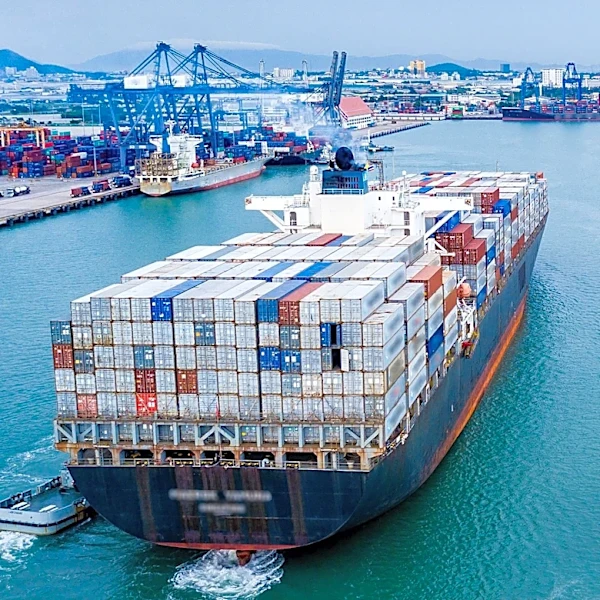
access to all of SC Ports’ container terminals. Currently, the section of the Cooper River leading to the North Charleston Terminal is maintained at 48 feet, while other parts of Charleston Harbor were deepened to 52 feet in 2022. The previous deepening project allowed larger vessels to access the Wando Welch and Hugh K. Leatherman terminals regardless of tidal conditions and supported two-way vessel traffic. The proposed deepening of the remaining 48-foot section is intended to accommodate larger containerships at the North Charleston Terminal. The study was authorized by Congress through the Water Resources Development Act of 2024, with federal funding secured in the fiscal year 2026 appropriations. Micah Mallace, President and CEO of SC Ports, emphasized that this deepening would enhance the port's competitiveness and support future cargo growth by improving logistics for customers.
Why It's Important?
The deepening of the North Charleston Terminal channel is crucial for maintaining and enhancing the competitiveness of the Port of Charleston, a significant economic engine for South Carolina and the broader U.S. Southeast. By allowing larger vessels to access all of SC Ports' container terminals, the project will improve the efficiency of cargo movement, reduce transit times, and potentially lower shipping costs for businesses. This increased capacity and accessibility are vital for accommodating the growing size of modern containerships, ensuring that the port remains a preferred gateway for international trade. The modernization efforts at North Charleston Terminal, coupled with deeper access, are expected to attract more cargo volume, leading to job creation and economic growth in the region. Furthermore, it strengthens the U.S. supply chain infrastructure, making it more resilient and capable of handling increased global trade demands. The collaboration between SC Ports and the U.S. Army Corps of Engineers highlights a strategic investment in critical national infrastructure.
What's Next?
The immediate next step involves the U.S. Army Corps of Engineers, Charleston District, conducting comprehensive engineering, environmental, and economic analyses for the proposed Upper Harbor deepening. This feasibility study will determine the technical viability, environmental impact, and economic justification for the project. Following the completion and approval of the study, the project would then move into subsequent development stages, which typically include detailed design, permitting, and securing additional funding for construction. Stakeholders, including SC Ports, the U.S. Army Corps of Engineers, the South Carolina Legislature, and the Congressional delegation, will continue to collaborate throughout these phases. The successful completion of this study and subsequent deepening would position the Port of Charleston to better serve the evolving needs of global shipping and logistics, potentially leading to further investments in port infrastructure and related industries.
Beyond the Headlines
The ongoing efforts to deepen U.S. ports, exemplified by the North Charleston Terminal project, reflect a broader national strategy to adapt to the increasing size of container vessels and enhance global trade competitiveness. This trend has significant implications for environmental stewardship, as dredging operations require careful management to mitigate impacts on marine ecosystems. The economic analyses conducted during the feasibility study will weigh the benefits of increased trade against the costs of construction and potential environmental remediation, highlighting the complex balance between economic development and ecological preservation. Moreover, the project underscores the critical role of federal funding and congressional authorization in supporting large-scale infrastructure improvements that benefit regional economies and national supply chains. The long-term success of such projects depends not only on their engineering feasibility but also on sustained political will and public support for investing in maritime infrastructure.