
What's Happening?
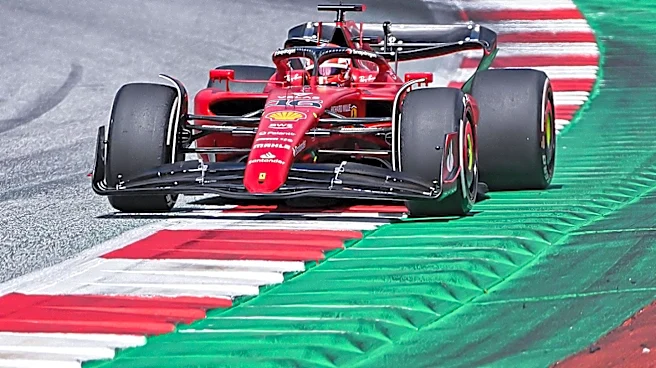
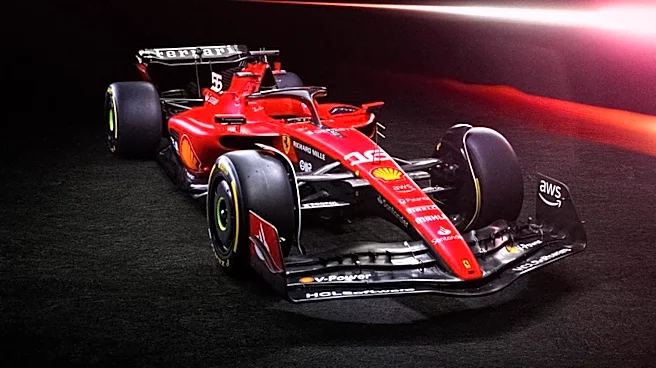
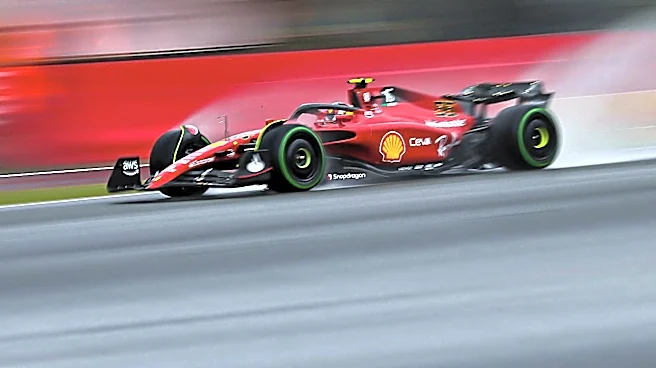
Emerson Fittipaldi, a two-time Formula 1 world champion, attributes Lewis Hamilton's resurgence in the 2026 season to the new car dynamics that have made driving more challenging. After a disappointing 2025 season with Ferrari, where Hamilton failed to secure
a podium finish, he has bounced back with a win in Barcelona and multiple podiums, placing him second in the championship standings. Fittipaldi believes the reduced downforce and smaller car size have allowed Hamilton to showcase his driving talent, as these changes demand greater skill and control.
Why It's Important?
Hamilton's comeback is significant for both his career and the sport. It demonstrates his adaptability and resilience, reinforcing his status as one of the greatest drivers in Formula 1 history. For Ferrari, Hamilton's improved performance is a testament to the team's ability to develop competitive cars and support their drivers. This resurgence also adds excitement to the championship race, as Hamilton remains a strong contender. The changes in car dynamics highlight the evolving nature of Formula 1, where technical adjustments can significantly impact driver performance and race outcomes.
Beyond the Headlines
The shift in car dynamics not only affects driver performance but also influences team strategies and engineering approaches. Teams must adapt to new technical regulations, which can lead to innovations and advancements in car design. For drivers, the increased challenge can enhance their skills and competitiveness. Hamilton's success under these conditions may inspire other drivers to refine their techniques and push the limits of their capabilities. This evolution in the sport underscores the importance of continuous learning and adaptation in maintaining a competitive edge.