







What's Happening?
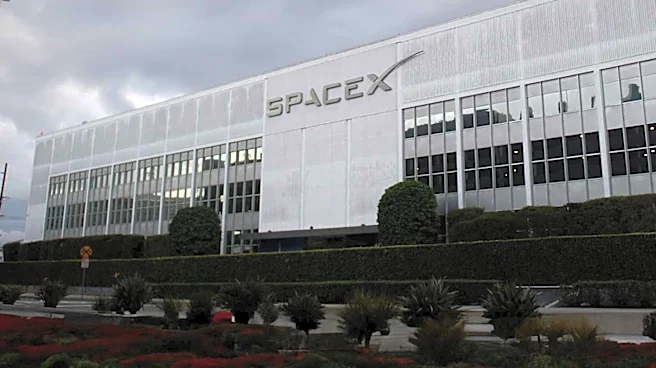
SpaceX's initial public offering (IPO) on June 12 marked a historic moment on Wall Street, becoming the highest-valued IPO in financial history by raising over $75 billion. The company, led by Elon Musk, is now one of the world's largest publicly traded
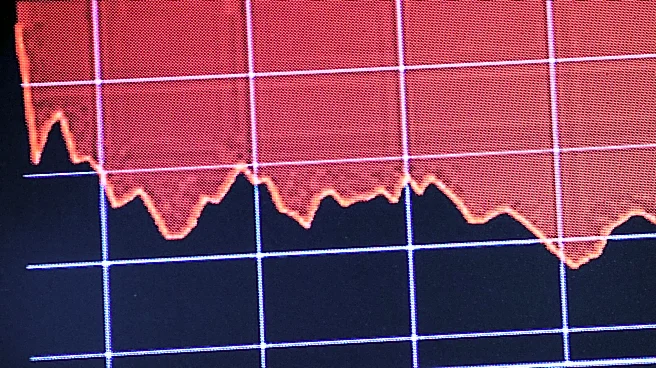
companies with a valuation around $2 trillion. The IPO included a significant allocation to retail investors, with 30% of shares made available to them, a move that is unusual for such large offerings. Despite this, demand outstripped supply, and many retail investors were unable to secure shares. The stock's price has been volatile, initially surging from its opening price of $135 to $161, before experiencing fluctuations. SpaceX's inclusion in the Nasdaq-100 is imminent, which will integrate its stock into millions of retirement accounts.
Why It's Important?
The SpaceX IPO is significant for several reasons. It highlights the growing influence of tech companies in the stock market and the increasing interest in AI and aerospace ventures. The IPO's success underscores the market's appetite for high-growth tech stocks, despite the inherent risks and volatility. The large allocation to retail investors reflects a shift towards democratizing access to high-profile IPOs, though it also raises concerns about the financial literacy of these investors in handling such volatile assets. Additionally, SpaceX's inclusion in major indices like the Nasdaq-100 means that its stock will become a staple in many retirement portfolios, potentially exposing everyday investors to significant market swings.
What's Next?
SpaceX's future will likely involve continued market volatility as it navigates the challenges of being a publicly traded company. The company's financial performance, particularly its ability to turn a profit, will be closely scrutinized by investors. The integration of SpaceX stock into retirement accounts could lead to increased regulatory scrutiny, especially if market fluctuations impact the savings of everyday investors. Furthermore, SpaceX's IPO may influence other tech companies, such as OpenAI, in their decisions to go public, as they assess the market's reception to high-valuation tech stocks.
Beyond the Headlines
The SpaceX IPO raises broader questions about the role of tech giants in the economy and their influence on market dynamics. Elon Musk's significant control over SpaceX, through super-voting shares, highlights the concentration of power in the hands of a few individuals in the tech industry. This concentration raises concerns about corporate governance and the potential for market manipulation. Additionally, the IPO's success may set a precedent for future tech offerings, encouraging other companies to pursue public listings despite operating at a loss, driven by market hype rather than financial fundamentals.