
What's Happening?
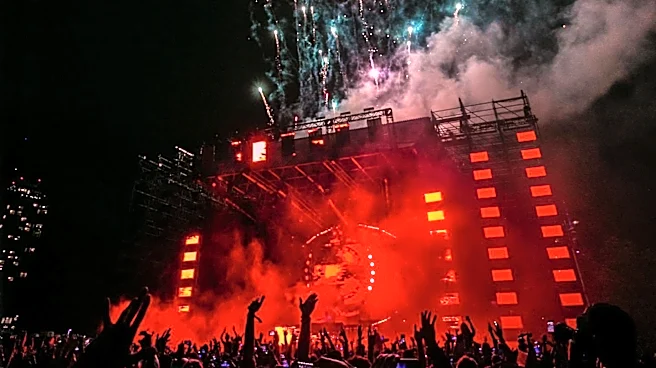
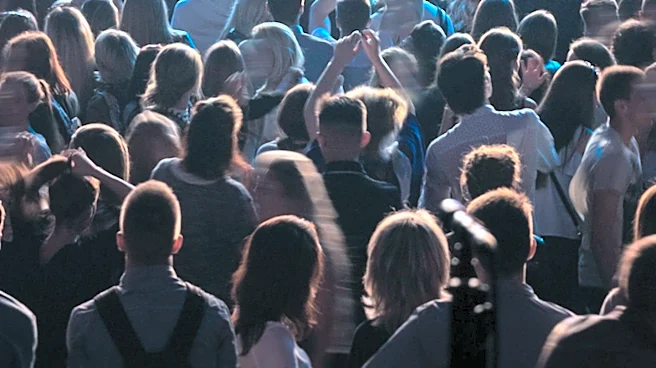
The 2026 Lollapalooza Festival, held in Grant Park, Chicago, has been hailed as one of the best editions of the event, drawing significant attention for its star-studded lineup and high-fashion displays.
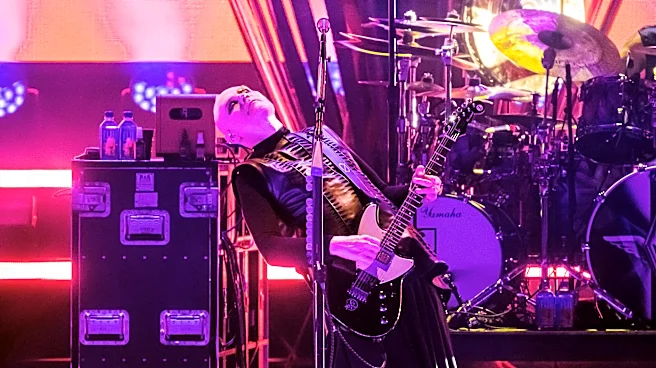
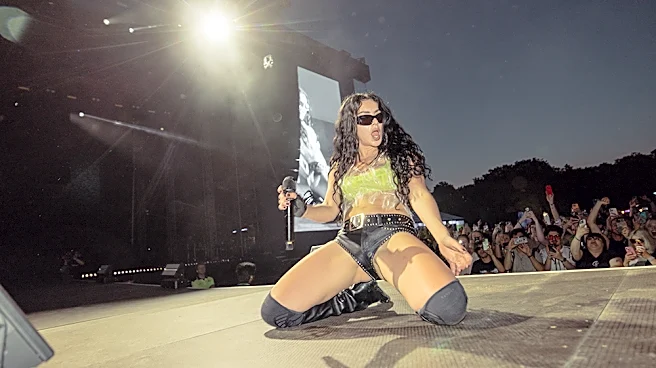
The festival featured performances from established artists like Lorde and Charli XCX, alongside rising stars such as Adéla and Oklou. Fashion was a major highlight, with celebrities like Jennie and Olivia Dean showcasing luxury ensembles from designers like Ann Demeulemeester and Versace. A surprise appearance by Olivia Rodrigo during the Smashing Pumpkins' set added to the festival's buzz. The event, which has been a staple since 1991, has increasingly embraced pop music, attracting a broader audience and enhancing its cultural relevance.
Why It's Important?
Lollapalooza 2026 marks a significant cultural moment, reflecting the evolving landscape of music festivals. By incorporating more pop acts and high-fashion elements, the festival is broadening its appeal beyond its traditional alternative and hip-hop roots. This shift not only attracts a diverse audience but also positions Lollapalooza as a key player in the global festival circuit, competing with events like Coachella. The inclusion of under-the-radar acts and viral social media moments highlights the festival's adaptability to current trends, ensuring its continued relevance in a rapidly changing entertainment industry. This evolution could influence other festivals to adopt similar strategies, impacting the broader music and fashion industries.
What's Next?
As Lollapalooza continues to evolve, future editions may further integrate pop culture elements and digital engagement strategies to maintain its competitive edge. The festival's success in attracting a diverse lineup and audience could encourage organizers to explore new genres and collaborations, potentially expanding its global footprint. Additionally, the emphasis on fashion and viral moments suggests a growing trend of festivals becoming multi-sensory experiences, blending music, art, and style. This approach could set a precedent for other festivals, prompting them to innovate and diversify their offerings to capture the attention of younger, digitally-savvy audiences.