



What's Happening?
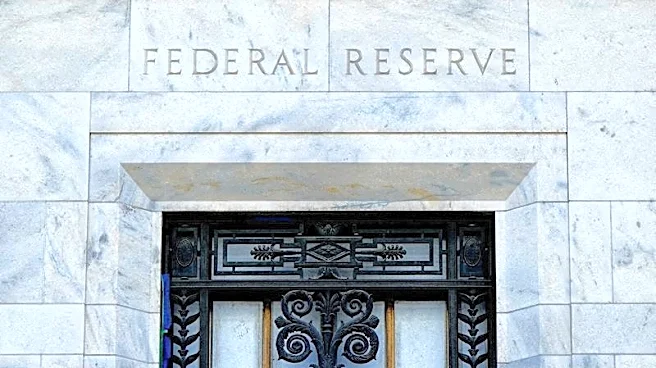
Federal Reserve Chairman Kevin Warsh is navigating a challenging economic landscape as bond yields reach their highest levels since the financial crisis. The recent Treasury selloff has pushed two-year yields to 4.37% and 10-year yields to 4.71%, driven
by geopolitical tensions and inflation fears. The Iran conflict and rising oil prices have contributed to these concerns, leading to a rapid repricing of Fed expectations. Warsh's approach of reducing forward guidance has left markets uncertain, amplifying volatility. The Fed's current rate is between 3.50% and 3.75%, with markets anticipating a peak near 4.23% next June.
Why It's Important?
The spike in bond yields reflects broader economic uncertainties and the challenges of managing monetary policy in a volatile environment. High yields can increase borrowing costs for the government and businesses, potentially slowing economic growth. Warsh's strategy of relying on data rather than forward guidance marks a departure from previous Fed practices, creating uncertainty in financial markets. This approach could lead to increased market volatility as investors adjust to the lack of clear signals from the Fed, impacting investment decisions and economic stability.
What's Next?
The Fed's upcoming decisions will be closely watched as markets adjust to the new normal of higher yields and geopolitical uncertainties. The Treasury Department's funding update on August 5 will be critical, as it may signal changes in debt issuance strategies. Investors will continue to assess the impact of geopolitical developments and inflation trends on the Fed's policy path. The potential for further rate hikes or adjustments in response to economic data will influence market dynamics and investor confidence.