




What's Happening?
RSM US LLP's Real Economy Blog, authored by Joseph Brusuelas, reported that U.S. hiring accelerated in October, adding 165,000 jobs and reducing the unemployment rate to 4.1%. This growth was supported by two strong quarters of corporate profits and a 3.4%
growth rate in the third quarter. Wages saw a 0.4% increase in October, translating to a 3.1% yearly advance, which, while implying a decline in inflation-adjusted wages, does not indicate that wages are currently driving inflation. Employment among individuals aged 25 to 54 reached 83.7%, nearing its cyclical peak. The three-month average for job gains stood at 137,000, with a six-month average of 83,000, reflecting a stable underlying trend in hiring. Professional business services led the job gains with 70,000 new positions, followed by private education and healthcare, trade and transport, goods production, and manufacturing.
Why It's Important?
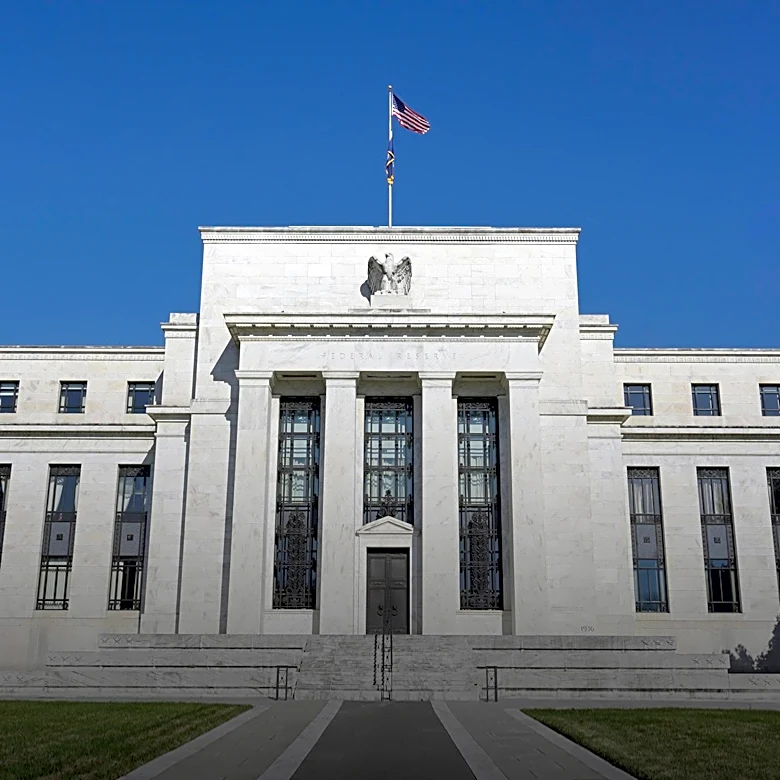
This jobs report is significant for the U.S. economy as it indicates continued robust growth and a healthy labor market. The strong hiring figures, particularly in professional business services, suggest a resilient corporate sector. The decline in the unemployment rate to 4.1% signals that the economy is operating at or near full employment, which is a key indicator of economic strength. The Federal Reserve's anticipated December rate hike, as suggested by the report, underscores confidence in the ongoing economic expansion. While inflation-adjusted wages have declined, the overall wage growth indicates a stable, rather than inflationary, wage environment. This data provides crucial insights for policymakers, businesses, and investors, influencing decisions related to monetary policy, investment strategies, and workforce planning.
What's Next?
The strong October jobs report is expected to reinforce the Federal Reserve's confidence in the U.S. economic expansion, likely leading to a 25-basis-point rate hike in December. This move would signal the Fed's commitment to managing inflation while supporting sustained growth. Businesses may continue to experience a competitive labor market, particularly in sectors like professional business services, necessitating strategic approaches to talent acquisition and retention. Consumers might see continued stability in employment opportunities, though real wage growth remains a concern. The report suggests that the economic expansion is mid-cycle, with a positive hiring environment expected to persist, albeit with potential shifts in growth rates in the coming year. The probability of a recession over the next 12 months remains low, estimated at 15%.
Beyond the Headlines
The sustained job growth and low unemployment rate, despite a decline in inflation-adjusted wages, highlight a complex economic landscape. While the headline numbers paint a picture of strength, the erosion of purchasing power for some workers could lead to broader societal implications, including increased pressure on household budgets. This disparity in economic experience, where corporate profits are strong but real wages lag, could fuel ongoing debates about income inequality and the distribution of economic gains. The report also subtly points to the impact of technological advancements, such as AI, on corporate profitability and the potential for shifts in labor demand. Understanding these underlying dynamics is crucial for a comprehensive view of the U.S. economic trajectory and its long-term social and political consequences.