







What's Happening?
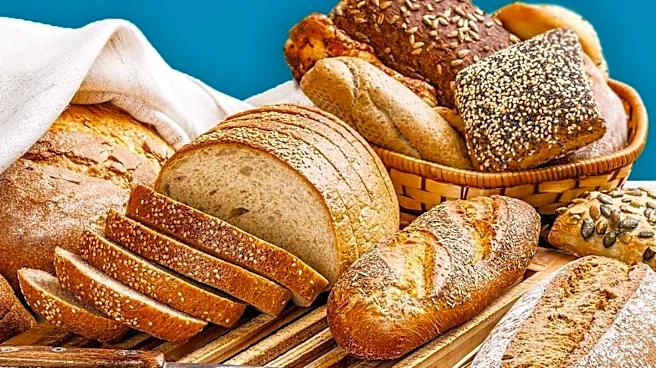
A new study by the Grain Foods Foundation (GFF) and Ipsos, titled 'Consumer Perspectives on Bread,' indicates a significant shift in U.S. bread consumption patterns, particularly a decline in traditional loaf bread. The research identifies four distinct
'purchaser personas': Traditional Loyalists, Artisan Advocates, Better-For-You Optimizers, and Alternative Explorers, each with varying preferences and motivations for buying bread. The study, based on a survey of 1,043 U.S. adults, found that 21% of consumers are eating less traditional bread than a year ago, with 50% citing boredom with traditional sliced bread compared to other bakery options. Other reasons for decreased traditional bread consumption include eating fewer sandwiches (41%), carb concerns (36%), and worries about highly or ultra-processed foods (32%). Despite these shifts, bread remains a 'multi-meal workhorse,' consumed at lunch (80%), breakfast (62%), and dinner (51%), as well as for snacks.
Why It's Important?
This shift in consumer preferences has significant implications for the U.S. food industry, particularly for bread manufacturers and retailers. The decline in traditional bread consumption signals a need for innovation and adaptation within the market. The rise of 'Artisan Advocates' and 'Better-For-You Optimizers' highlights a growing demand for products that offer perceived health benefits, superior taste, and texture. This trend could lead to increased investment in sourdough, seeded, and high-protein bread formats. Furthermore, generational differences in purchasing behavior, with Gen Z and millennials turning to social media for bread discovery, necessitate new marketing strategies. Companies that fail to address 'sandwich fatigue' and the desire for less 'boring' options risk losing market share. The study underscores the importance of understanding diverse consumer needs, from price-sensitive 'Traditional Loyalists' to 'Alternative Explorers' seeking versatility and concerned about food waste.
What's Next?
Bread manufacturers are advised to aggressively expand into sourdough, seeded, and high-protein formats to align with evolving consumer preferences and secure future growth. To combat the 'boredom issue' associated with traditional bread, the industry may focus on elevating everyday loaves through subtle texture upgrades, promoting new digital-first usage occasions beyond standard sandwiches, and emphasizing the value of affordable nutrition. Marketing efforts will likely shift to engage younger generations through platforms like TikTok, Instagram, and Pinterest, where Gen Z and millennials discover new products. Retailers may also adjust their offerings to reflect the demand for artisan and specialty breads, potentially leading to more diverse bakery aisles. The industry will need to balance the needs of 'Traditional Loyalists' who prioritize value with the growing segments seeking premium experiences and specific health benefits.
Beyond the Headlines
The evolving bread market reflects broader societal trends, including a heightened awareness of health and wellness, a desire for authentic and artisanal products, and the influence of digital culture on consumer choices. The 'boring' perception of traditional bread suggests a deeper cultural shift away from conventional food staples towards more experiential and personalized eating. This trend extends beyond bread, indicating a general consumer inclination towards products that offer perceived functional benefits, unique sensory experiences, and align with lifestyle values. The emphasis on 'clean labels' and concerns about ultra-processed foods highlight a growing demand for transparency and natural ingredients. This could lead to a re-evaluation of food processing practices across the industry and a greater focus on ingredient sourcing and nutritional content. The generational divide also points to the increasing importance of social media as a primary source of information and inspiration for food choices, fundamentally altering how food brands connect with their audience.