




What's Happening?
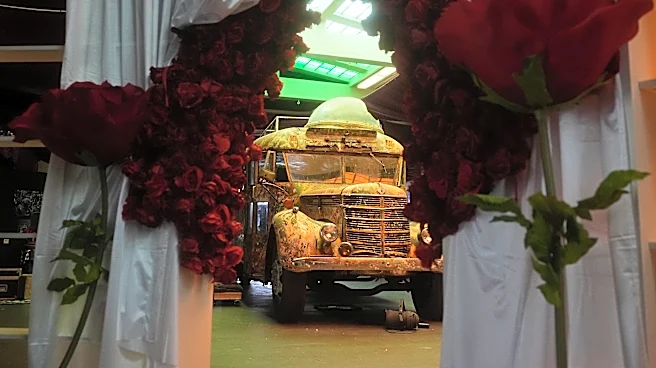
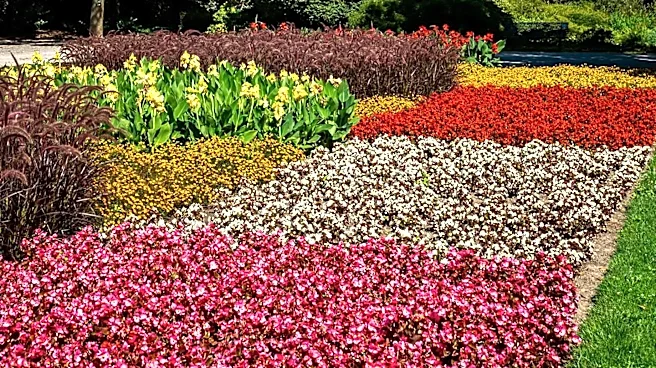
The New York Botanical Garden has unveiled its 'Flower Power' exhibition, transforming its 250-acre landscape into a vibrant display inspired by the counterculture movements of the 1960s and 70s. The exhibition features monumental flowers, psychedelic
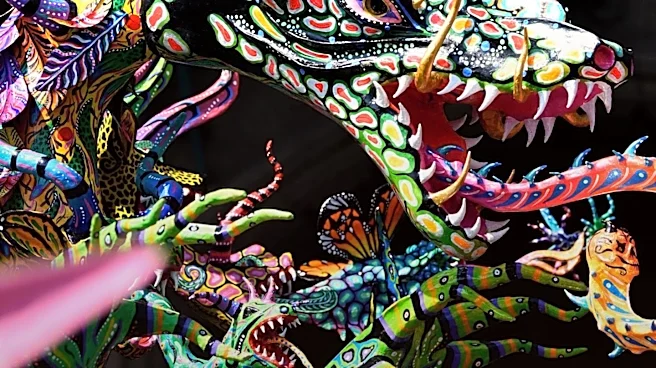
planting, a living peace sign, and artist-painted buses reminiscent of those that traveled to Woodstock in 1969. Visitors are greeted by a 15-foot-wide living peace sign and can explore hand-painted fabric canopies and surreal flower sculptures by Amie Jacobsen within the Enid A. Haupt Conservatory. The exhibit also delves into the political and social significance of flowers as symbols of peace, protest, environmentalism, and social change. The Garden's Mertz Library Building showcases works by artists like Andy Warhol, Joe Brainard, Milton Glaser, Carlos Irizarry, and Corita Kent, alongside original fashion, posters, photography, and seminal books from the era, such as Rachel Carson's 'Silent Spring' and Betty Friedan's 'The Feminine Mystique'. The exhibition, which opened on May 23, is scheduled to run until October 18, 2026.
Why It's Important?
This exhibition is important as it offers a unique blend of horticulture, art, fashion, music, and cultural history, providing a multi-faceted educational and immersive experience for visitors. By connecting botanical displays with the social and political movements of the 1960s and 70s, the New York Botanical Garden highlights the enduring role of nature and art in societal discourse and change. The inclusion of works by influential artists and authors of the period underscores the intellectual and creative ferment of the era, making the exhibition a significant cultural event. It also serves as a reminder of the historical roots of contemporary environmentalism and feminism, themes that continue to resonate in today's society. The event's broad appeal, combining visual spectacle with historical context, positions it as a major attraction that can draw diverse audiences, fostering a deeper appreciation for both botanical beauty and American cultural heritage.
What's Next?
The 'Flower Power' exhibition will continue to offer live programming, including drum circles, workshops, meditation sessions, and music performances. Liquid Light Shows, featuring live bands and psychedelic projections, will illuminate the façade of the Mertz Library after dark. These ongoing events aim to enhance the immersive experience and engage visitors further with the themes of the exhibition. The New York Botanical Garden will likely continue to promote these activities to maximize attendance and engagement throughout the exhibition's run, which concludes on October 18, 2026. The success of this event may also influence future programming decisions at the Garden, potentially leading to more interdisciplinary exhibitions that combine natural sciences with art and cultural history.
Beyond the Headlines
Beyond its immediate appeal, the 'Flower Power' exhibition subtly explores the deeper implications of how art and nature can serve as powerful tools for social commentary and change. The use of flowers as symbols of peace and protest during the 1960s and 70s reflects a broader human tendency to imbue natural elements with profound cultural and political meaning. The exhibition's focus on environmentalism and feminism, as evidenced by the inclusion of works like 'Silent Spring' and 'The Feminine Mystique,' highlights the long-term impact of these movements on American society and global consciousness. It encourages visitors to consider how historical events and cultural shifts are often intertwined with artistic expression and the natural world, fostering a more holistic understanding of history and societal evolution. This approach underscores the idea that botanical gardens can be more than just collections of plants; they can be dynamic spaces for cultural reflection and education.