


What's Happening?
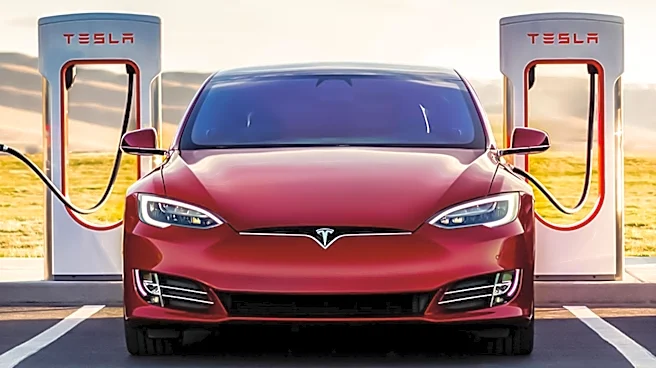
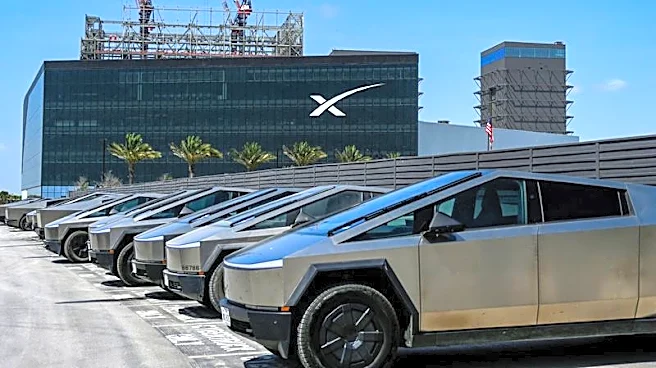
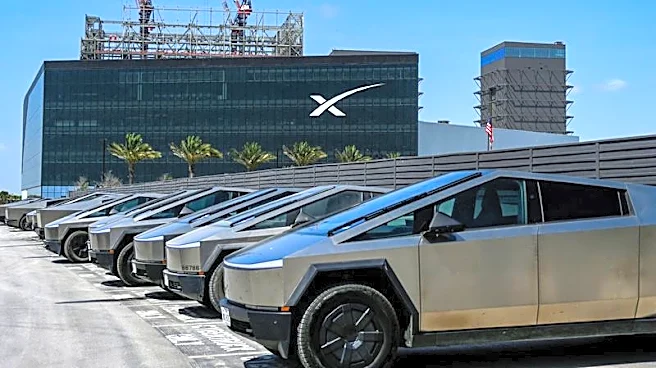
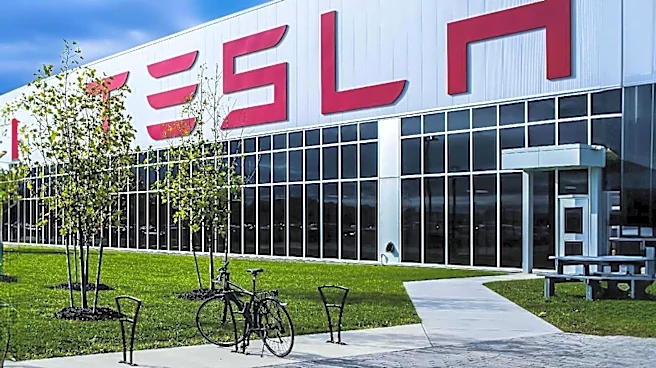
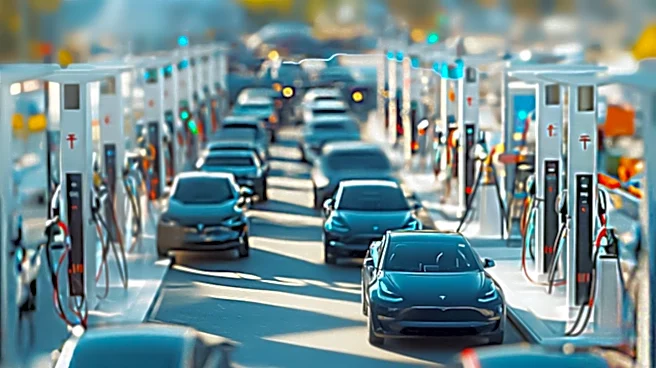
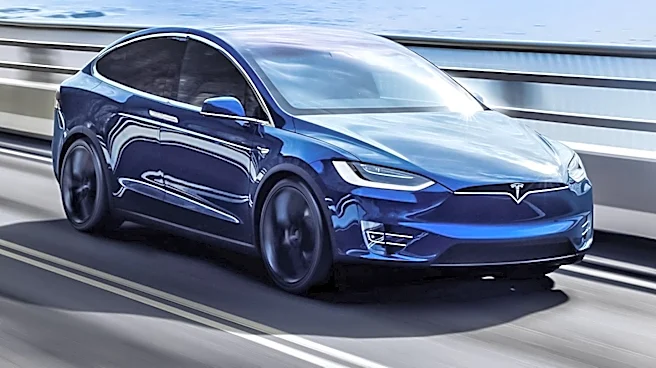
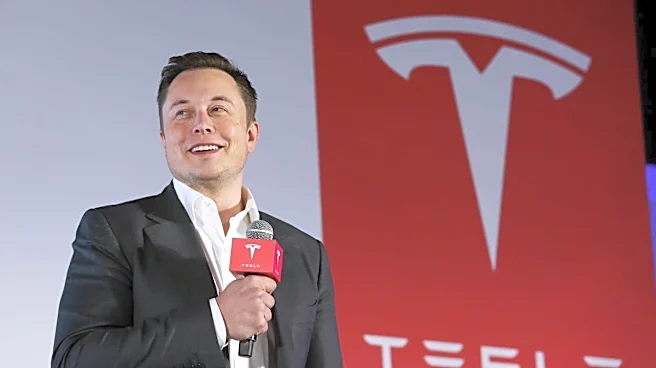
Tesla and BYD are vying for leadership in the global electric vehicle (EV) market, each pursuing distinct strategies. Tesla reported record deliveries of 480,126 vehicles in Q2 2026, but its operating income fell by 56.88% to $398 million, and free cash
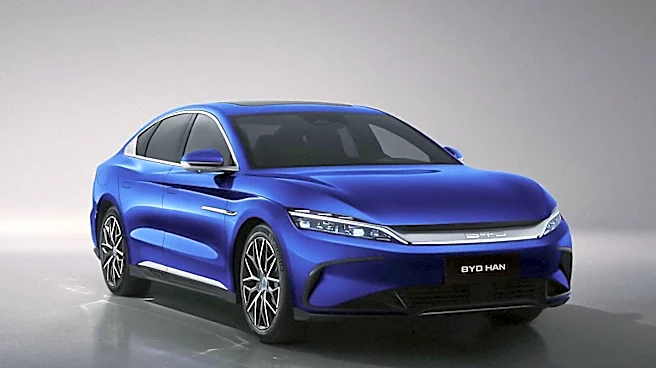
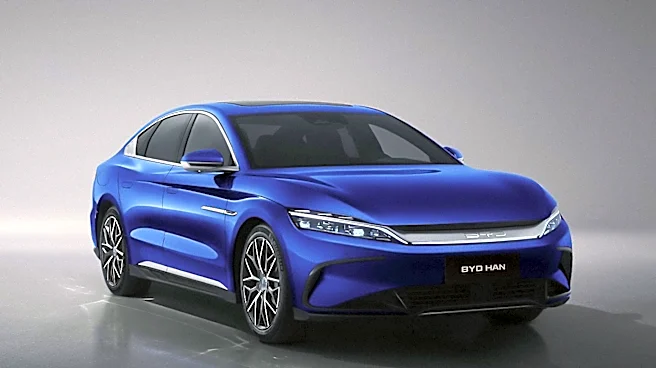
flow turned negative. The company is heavily investing in its Robotaxi and Optimus projects, with over $25 billion in capital expenditures. Meanwhile, BYD continues to expand its market presence with a focus on hardware and battery manufacturing, maintaining a stable stock performance compared to Tesla's 30.8% decline year-to-date.
Why It's Important?
The competition between Tesla and BYD highlights the contrasting approaches to achieving EV market dominance. Tesla's focus on software and autonomous driving technology represents a high-risk, high-reward strategy that could redefine transportation if successful. However, the financial strain and execution risks associated with this approach pose significant challenges. In contrast, BYD's emphasis on volume growth and battery technology offers a more stable path to market leadership, appealing to investors seeking lower risk. The outcome of this competition will have implications for the broader automotive industry and the future of EV technology.
What's Next?
Tesla's ability to monetize its autonomous driving technology and maintain demand for its vehicles will be critical in the coming months. The company's financial health and market position will depend on the success of its Robotaxi and Optimus projects. For BYD, expanding its global footprint while navigating potential trade barriers and market fluctuations will be key to sustaining its growth. Investors and industry observers will closely watch both companies' strategies and performance as they shape the future of the EV market.