





What's Happening?
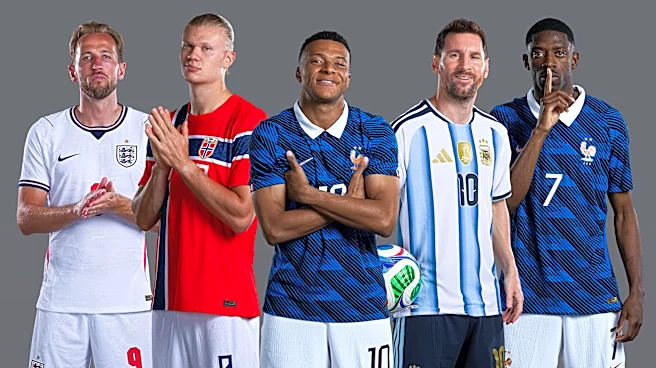
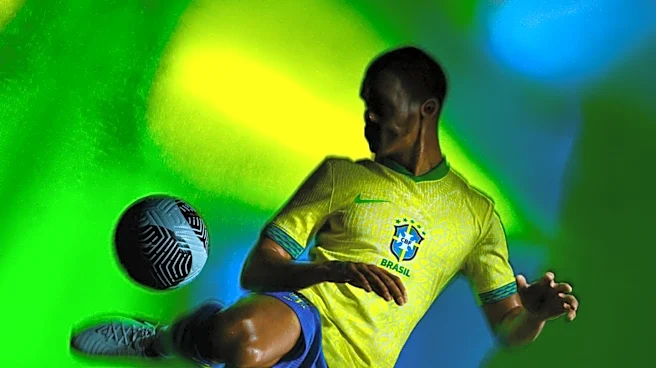
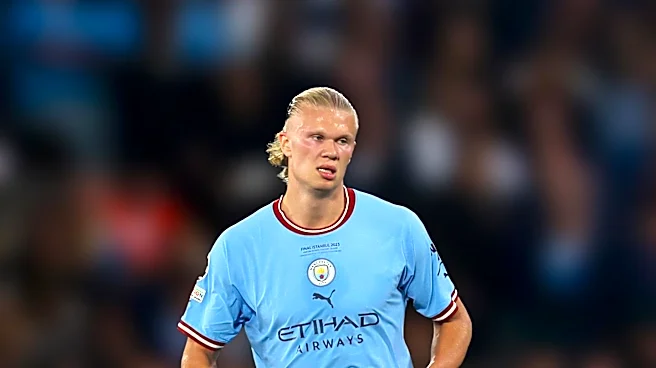
Nike is generating significant attention with its World Cup-related marketing, despite not being an official FIFA sponsor. The brand's strategy focuses on athlete-led marketing, leveraging partnerships with high-profile athletes such as Erling Haaland,
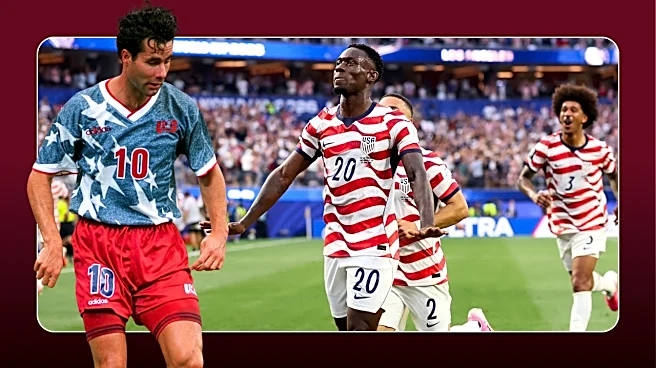
Kylian Mbappé, and Cristiano Ronaldo. This approach has resulted in Nike accounting for 52.4% of all World Cup endorsement coverage, surpassing Adidas, which holds official sponsorship rights. Nike's innovative tactics, including viral stunts like the appearance of Haaland lookalikes, have proven effective in capturing audience interest beyond traditional sponsorship channels.
Why It's Important?
Nike's success highlights a shift in sports marketing dynamics, where individual athlete endorsements can rival or even surpass the impact of official sponsorships. This trend suggests that brands can achieve significant visibility and engagement by focusing on the personal star power of athletes rather than relying solely on institutional rights. The implications for the sports marketing industry are profound, as companies may need to reconsider their strategies to prioritize athlete partnerships over traditional sponsorship models. This shift could influence how brands allocate their marketing budgets and approach future sporting events.
What's Next?
As the World Cup progresses, it will be interesting to see how Adidas and other official sponsors respond to Nike's unconventional marketing success. Brands may need to innovate and adapt their strategies to maintain relevance and engagement with audiences. The outcome of this marketing rivalry could set a precedent for future sports events, potentially leading to a reevaluation of the value of official sponsorships versus athlete-driven campaigns.