






What's Happening?
McSweeney's, a prominent publishing house, has introduced its latest literary endeavor, 'The Letters Club,' focusing on letter-writing as a literary form. This new periodical aims to revive the art of physical correspondence in an era dominated by digital
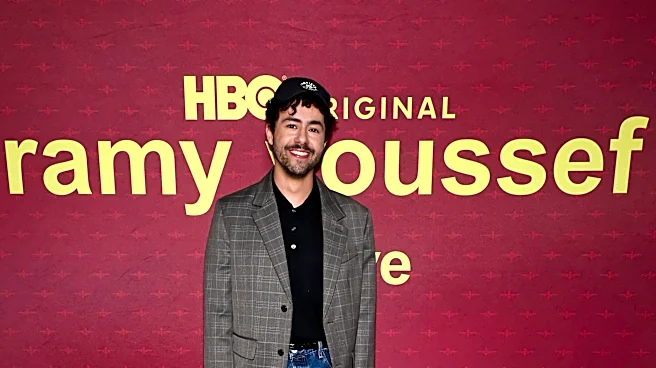
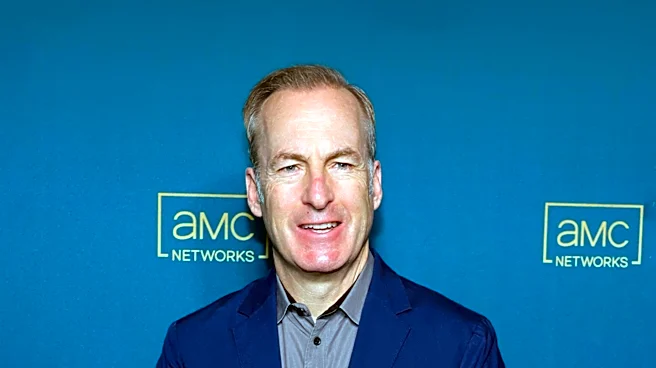
communication. The initiative features an impressive roster of contributors, including acclaimed actors and writers such as Bob Odenkirk, Jesse Eisenberg, Hanif Abdurraqib, and Lisa Hanawalt. Jesse Eisenberg has already shared insights into his contribution, a letter titled 'Dear Suit That Hangs In My Closet,' which explores his feelings of inadequacy evoked by the suit's presence. Amanda Uhle, McSweeney’s Publisher & Executive Director, expressed enthusiasm for the project, highlighting the unique joy of receiving physical mail and the diverse range of topics the letters will cover, from fictional narratives to personal communiques. The first set of letters, featuring writing from Avery Truffleman and art from Taehyoung Maria Jeon, is scheduled for mailing next week. These letters will be exclusive to subscribers, never appearing online, and will include an original art postcard.
Why It's Important?
The launch of 'The Letters Club' by McSweeney's is significant as it represents a deliberate effort to counteract the diminishing value of traditional written communication in contemporary society. By emphasizing letter-writing as a literary form, McSweeney's is not only preserving a historical practice but also fostering a unique space for creative expression that stands apart from the immediacy and often ephemeral nature of digital interactions. The involvement of high-profile figures like Bob Odenkirk and Jesse Eisenberg lends considerable weight and visibility to the project, potentially attracting a broader audience to this niche literary format. This initiative could inspire a renewed appreciation for the thoughtfulness and personal connection inherent in handwritten or physically mailed letters, encouraging individuals to engage in more deliberate and meaningful forms of communication. Furthermore, by making the content exclusive to physical mail, McSweeney's creates a sense of anticipation and value, transforming each letter into a curated, tangible artifact rather than just another piece of digital content.
What's Next?
The initial set of letters from 'The Letters Club' is slated for distribution next week, marking the official commencement of this literary experiment. Subscribers who sign up by November 15 will receive the inaugural letter. McSweeney's plans to release subsequent letters periodically, with subscriptions available for three months or a full year. The publisher's commitment to keeping the content exclusively offline means that each mailed letter will be a unique and limited-edition piece, fostering a sense of exclusivity for its members. The success of this venture will likely be measured by subscriber engagement and the cultural conversation it generates around the revival of letter-writing. Future developments may include additional high-profile contributors joining the roster, further expanding the project's reach and appeal. The initiative could also inspire other publishers or literary organizations to explore similar analog-focused projects, potentially sparking a broader trend in the literary world.
Beyond the Headlines
Beyond its immediate literary appeal, 'The Letters Club' touches upon deeper cultural and psychological implications. In an age of constant digital connectivity and instant gratification, the act of waiting for and receiving a physical letter offers a unique form of delayed gratification and a tangible connection that digital messages often lack. This initiative could serve as a quiet rebellion against the overwhelming digital noise, promoting mindfulness and a slower pace of engagement with content. Ethically, it highlights the value of privacy and personal connection in an increasingly public and interconnected world, as these letters are private communications between the writer and the reader. Culturally, it reinforces the idea that certain forms of art and communication retain their power and relevance despite technological advancements, suggesting a cyclical nature to how society values different mediums. The project also subtly critiques the ephemeral nature of much online content, advocating for the enduring quality and personal impact of physical artifacts.