



What's Happening?
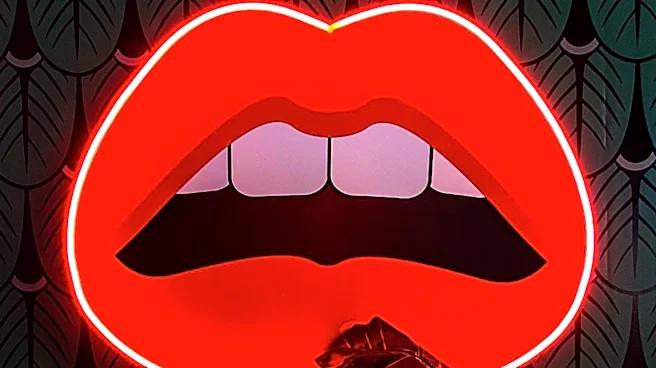
Vintage neon signs are emerging as a significant trend in U.S. interior design, offering a blend of nostalgia and modern aesthetics for both residential and commercial spaces. These illuminated signs, once primarily associated with classic diners, bars,
and roadside businesses, are now being integrated into contemporary homes, offices, restaurants, and entertainment venues. They serve as eye-catching focal points, adding vibrant color and personality to interiors. The trend emphasizes personalization, allowing property owners to display meaningful phrases, family names, logos, or symbols. This design strategy helps create distinctive and memorable environments, moving beyond traditional lighting and wall art to introduce a unique charm. The versatility of neon signs allows them to complement various interior styles, from minimalist to industrial, by creating a striking contrast or enhancing existing decor. Careful consideration of size, color, message, and placement is crucial to ensure the sign enhances the space without overwhelming it.
Why It's Important?
The resurgence of vintage neon signs in interior design reflects a broader cultural appreciation for retro aesthetics and personalized spaces within the U.S. market. For businesses, particularly in the hospitality and retail sectors, these signs offer a powerful branding tool and a way to create photo-friendly backdrops that encourage social media engagement. This can lead to increased visibility and customer foot traffic. For homeowners, the trend provides an opportunity to infuse personal meaning and artistic expression into their living environments, moving away from generic decor. The demand for customized neon decor also supports specialized artisans and manufacturers, contributing to local economies. This shift highlights a consumer preference for unique, character-driven design elements that tell a story, influencing interior design trends and product offerings across the country. It also underscores the psychological impact of environment on mood and productivity, as seen in home offices where inspirational neon phrases can uplift during workdays.
What's Next?
The trend of incorporating vintage neon signs is likely to continue evolving, with an increasing demand for custom designs and innovative applications. We can expect to see more businesses leveraging personalized neon signage to differentiate their brands and create immersive customer experiences. In residential settings, homeowners may explore more complex and artistic neon installations, moving beyond simple phrases to incorporate intricate symbols or graphics. The market for bespoke neon art is anticipated to grow, driven by individuals seeking unique ways to express their identity through home decor. Furthermore, advancements in LED neon technology, which offers greater energy efficiency and durability, could make these signs more accessible and appealing to a wider audience, potentially expanding their use in outdoor residential applications or temporary event decor. Designers and retailers will likely offer more integrated solutions, combining neon elements with other smart home technologies to create dynamic and interactive spaces.
Beyond the Headlines
Beyond their aesthetic appeal, the integration of vintage neon signs into modern interiors touches upon deeper cultural and psychological aspects. The nostalgia evoked by these signs connects individuals to a past era, offering comfort and a sense of history in an increasingly fast-paced world. This trend can be seen as a form of 'curated nostalgia,' where elements from the past are selectively brought into the present to create a unique identity. Ethically, the production of neon signs, particularly traditional glass neon, involves skilled craftsmanship that is becoming rarer, raising questions about preserving these artisanal trades. The environmental impact of neon, while generally low for LED versions, could be a consideration for traditional signs. Culturally, these signs contribute to the 'Instagrammable' aesthetic, where spaces are designed for visual appeal and social media sharing, influencing how public and private spaces are conceived and utilized. This trend also highlights the ongoing dialogue between mass-produced decor and personalized, handcrafted items, reflecting a desire for authenticity and individuality in consumer choices.