
What's Happening?
According to new figures from Gartner, IT spending across Europe is projected to increase by 9.9% in 2027, reaching a new high of $1.57 trillion. This surge is primarily attributed to continued enterprise
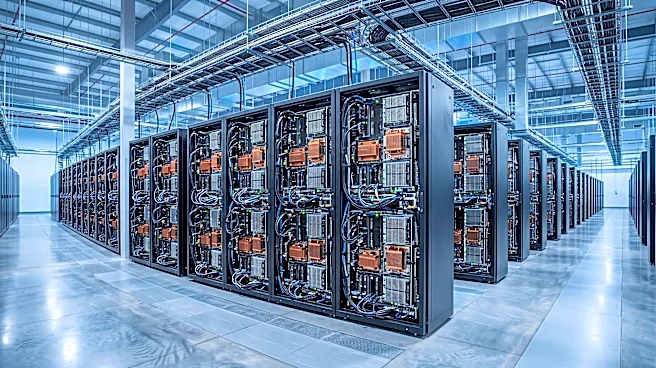
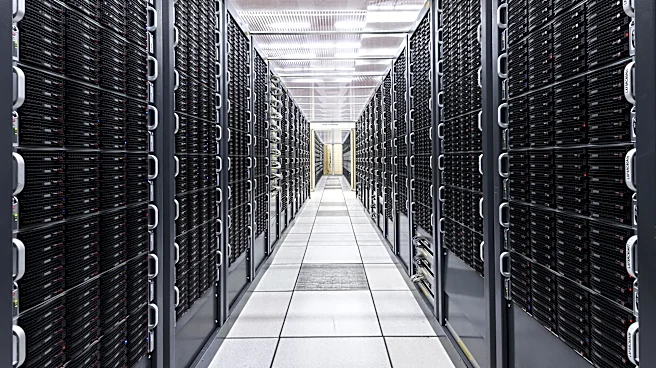
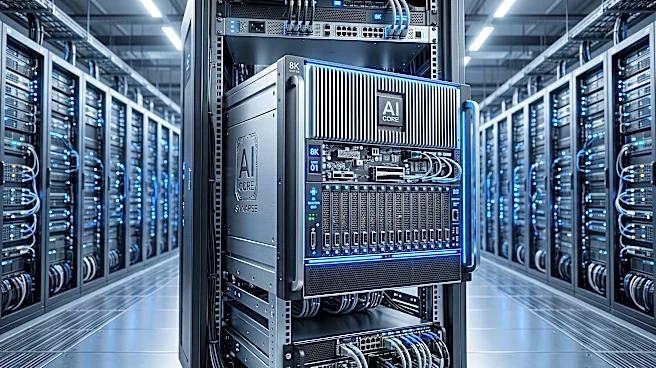
investment in AI infrastructure. Data center systems are expected to see investments of $167.6 billion, an increase from $129 billion in 2026. Infrastructure as a Service (IaaS) spending is also anticipated to exceed $82 billion, representing a 29.7% growth rate year-over-year. Gartner highlights that the rising demand for high-performance computing, coupled with surging server prices—potentially tripling 2024 costs—will make data center systems the fastest-growing IT spending segment in Europe. AI-optimized server spending in Europe alone is expected to total $79.7 billion, underscoring a concentrated focus on the foundational infrastructure necessary for AI development and deployment. John-David Lovelock, distinguished VP analyst at Gartner, emphasized that the expansion of compute capacity for AI represents the largest infrastructure build-out in history, with AI-optimized servers forming its core.
Why It's Important?
This projected increase in European IT spending, particularly in AI infrastructure, signifies a major shift in global technology investment priorities. The substantial allocation towards AI-optimized servers and data center systems indicates that businesses are rapidly integrating AI capabilities into their core operations, viewing it as essential for future growth and competitiveness. The rising costs of servers suggest a high demand for advanced hardware, which could impact supply chains and pricing strategies for technology providers worldwide. This trend also highlights the growing importance of cloud services, as evidenced by the significant growth in IaaS spending, indicating a move towards more flexible and scalable IT environments. For the U.S. technology sector, this European trend could translate into increased demand for American-made AI hardware, software, and cloud services, potentially boosting revenue for U.S. tech giants and specialized AI firms. Conversely, it could also intensify global competition in the AI domain, pushing U.S. companies to innovate faster to maintain their market leadership.
What's Next?
Looking ahead, Gartner anticipates a structural shift within the software segment, affecting all regions, including Europe. While organizations are currently purchasing isolated AI agents, spending is expected to transition towards agentic systems capable of orchestrating workflows across entire organizations. This shift implies a move towards more integrated and comprehensive AI solutions rather than standalone applications. Although the near-term impact of cross-functional agentic AI is expected to be modest, this reallocation of software spending will likely exert increasing pressure on traditional software and services markets. This could lead to a re-evaluation of existing software portfolios and a greater emphasis on AI-driven solutions. For businesses, this means a continued need to invest in AI talent and infrastructure to remain competitive. Technology providers will likely focus on developing more sophisticated, integrated AI platforms that can manage complex organizational workflows, potentially leading to new partnerships and acquisitions in the AI ecosystem.
Beyond the Headlines
The massive investment in AI infrastructure extends beyond mere technological upgrades; it represents a fundamental re-architecting of how businesses operate and create value. The emphasis on AI-optimized servers and agentic systems suggests a future where AI is not just a tool but an integral, autonomous component of business processes, capable of orchestrating complex tasks. This could lead to significant productivity gains but also raises profound questions about workforce displacement and the future of human-computer collaboration. The escalating costs of high-performance compute also highlight potential barriers to entry for smaller businesses, potentially exacerbating the digital divide between well-resourced corporations and smaller enterprises. Furthermore, the sheer scale of this infrastructure expansion will have environmental implications, given the energy demands of large data centers and AI processing, prompting calls for more sustainable AI development and deployment practices. The shift towards agentic AI also brings ethical considerations regarding autonomous decision-making and accountability within organizational structures.