

What's Happening?
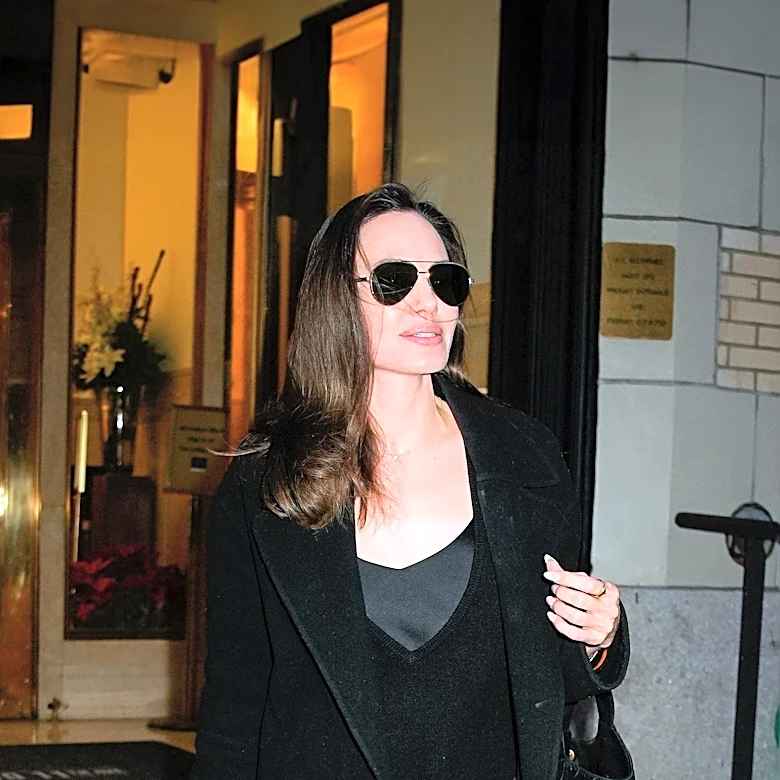
Selma Blair's son, Arthur, has been significantly impacted by his mother's health challenges and recent career difficulties. According to one source, Arthur witnessed his mother undergo chemotherapy and a bone-marrow transplant. More recently, he observed
her become 'afraid of the world' following a period where Blair claims her agency, lawyer, publicist, and others ceased communication after she made a controversial social media comment. Blair expressed that while careers can recover, 'years of his childhood do not,' highlighting the personal cost of her professional ostracization. The situation arose after Blair posted a comment on social media in February, four months after the October 7, 2023, massacre, suggesting that certain congresspeople should be deported and that Islam had 'destroyed Muslim countries.' She later deleted the comment and apologized, stating she still stands by her apology.
Why It's Important?
This situation underscores the profound personal and familial consequences that public figures can face due to controversial statements, particularly in the highly scrutinized environment of social media. The impact on Blair's son highlights how professional repercussions can extend beyond the individual, affecting their immediate family and personal life. It also brings to light the swift and often unforgiving nature of public and professional backlash in the entertainment industry, where perceived missteps can lead to immediate isolation and career disruption. The narrative raises questions about the balance between accountability for public statements and the support systems available to individuals, especially when their actions are followed by apologies and attempts at rectification. The emotional toll on a child witnessing a parent's public and private struggles adds a critical human dimension to the broader discussion of cancel culture and its reach.
What's Next?
Selma Blair is currently working on a documentary about antisemitism titled 'Hineni,' which translates to 'Here I am.' This project suggests her intention to address the broader context of her controversial comments and the subsequent fallout, potentially offering her perspective on the events and their implications. Her continued public engagement, including speaking at events like the Anti-Defamation League’s State of the Arts reception, indicates a commitment to sharing her experiences and advocating for certain causes. The ADL is reportedly building a resource for individuals in similar situations, suggesting a growing recognition of the need for support systems for those who face professional isolation due to public controversies. It remains to be seen how her documentary and continued advocacy will influence her career trajectory and public perception, as well as the broader conversation around free speech, accountability, and professional consequences in the entertainment industry.
Beyond the Headlines
The deeper implications of Selma Blair's experience touch upon the ethical responsibilities of professional representatives and the broader societal response to controversial opinions. Blair's account of her team ceasing communication without direct explanation raises questions about the professional duty of care and the practice of 'silent firing.' This approach leaves individuals without clear reasons for their professional isolation, forcing them to infer the causes. Furthermore, Blair's belief that her post was an 'excuse' rather than the sole reason for her professional abandonment, suggesting a deeper discomfort with her open expression of connection to Israel, points to a potentially chilling effect on public discourse. This situation highlights how individuals, particularly those in the public eye, may feel pressured to self-censor or face severe professional and personal repercussions, impacting not only their livelihoods but also their mental well-being and family life.