


What's Happening?
The beauty industry is increasingly using food-related terms to describe products and trends, moving away from traditional shade names. This shift is evident in popular aesthetics like 'latte lids,' 'buttercream hair,' and 'strawberry cheeks,' where product descriptions
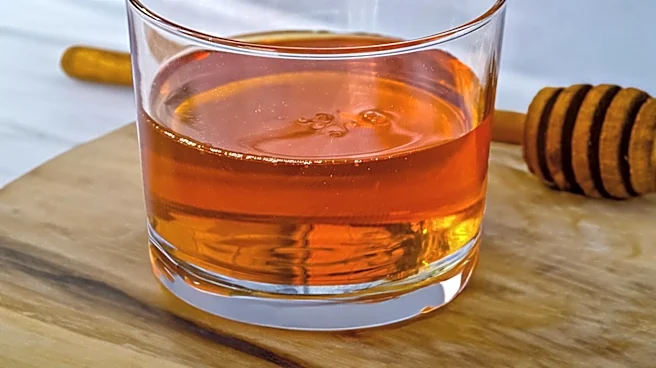
evoke culinary experiences rather than just colors. This trend aims to make beauty products feel more specific, desirable, and appealing by tapping into human desires for hunger, comfort, and indulgence. For instance, a highlighter is no longer just 'gold' but 'honey drizzle,' and a blush is marketed as 'Strawberry Jelly' to convey a mood rather than just a hue. This approach is seen as a strategic marketing tactic to create a more evocative and memorable connection with consumers, making products feel like a treat or a craving.
Why It's Important?
This marketing strategy is significant because it leverages psychological triggers associated with food to enhance consumer engagement and product desirability within the U.S. beauty market. By framing beauty products with delicious, comforting, and nostalgic food names, brands can create a stronger emotional connection with consumers, potentially leading to increased sales and brand loyalty. This approach contrasts with the more clinical and technical language often used in skincare, offering a refreshing and accessible alternative. It also highlights a broader cultural shift where consumers are drawn to experiences and feelings rather than just functional product attributes. The success of this trend indicates that emotional marketing, particularly through sensory language, is a powerful tool in influencing consumer choices and shaping beauty standards.
What's Next?
The beauty industry is expected to continue and even intensify this food-inspired naming convention. Having largely exhausted coffee and pastry themes, brands are likely to explore more specific and novel food categories, such as 'blueberry parfait blush' or 'tiramisu contour.' This evolution suggests a continuous search for fresh, evocative language to capture consumer attention in a saturated market. The trend may also influence product development, with brands potentially creating scents, textures, and packaging that further align with these culinary themes. Consumers can anticipate a wider array of products marketed with increasingly creative and appetizing names, further blurring the lines between beauty and culinary indulgence.
Beyond the Headlines
The adoption of food-inspired beauty terminology reflects a deeper cultural phenomenon where sensory experiences and emotional connections play a crucial role in consumer behavior. This trend taps into nostalgia, comfort, and the simple pleasure of treats, offering a counterpoint to the often-demanding and clinical aspects of modern beauty routines. It also raises questions about the long-term impact of such marketing on consumer perceptions of beauty and self-care, potentially fostering a more indulgent and less prescriptive approach. The success of this strategy underscores the power of language and sensory marketing in shaping desires and influencing purchasing decisions, highlighting how brands can effectively appeal to fundamental human instincts beyond mere product utility.