







What's Happening?
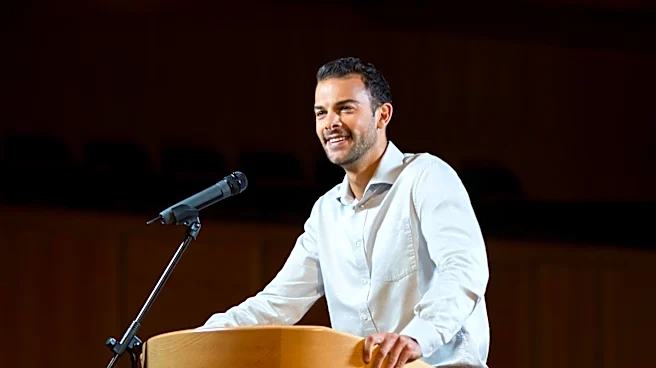
Author John Burke is highlighting insights from his extensive study of over 1,500 near-death experiences (NDEs) spanning 40 years. Burke, who has also planted a church that grew to approximately 5,000 members, shares stories from his book, 'Imagine Your
Purpose from Heaven.' One notable account involves a pastor named Steve, who, during an NDE, was asked by Jesus about the names of his children's best friends, a question he couldn't answer despite having built a 6,000-person church. This experience led Steve to reflect on the significance of seemingly small interactions. Burke emphasizes that these NDE accounts often reveal how minor acts of kindness and personal connections have profound, far-reaching impacts, sometimes affecting people the individual never met. Another story Burke recounts is that of Lanson, who, after a car crash, saw the ripple effect of a $5.50 donation made at age 8 and the impact of sharing a meal with a homeless man, including sitting with him and offering a hug. These narratives underscore a common theme in NDEs: the importance of how one treats others and the motivations behind one's actions.
Why It's Important?
Burke's work is important because it challenges conventional measures of success, particularly within spiritual and community-oriented contexts. By focusing on the profound impact of individual actions and personal connections, it encourages a re-evaluation of priorities beyond large-scale achievements. The stories he shares suggest that genuine human connection and empathy, often expressed through small gestures, can have significant and lasting effects on individuals and communities. This perspective can influence how people approach their daily lives, fostering a greater appreciation for interpersonal relationships and compassionate engagement. For religious communities, it might shift the focus from numerical growth to the quality of individual interactions and the depth of care shown to others. The emphasis on motivation and personal transformation also highlights a deeper spiritual dimension, suggesting that one's internal state and how they become as a person are as crucial as their external accomplishments.
What's Next?
The continued discussion and dissemination of Burke's findings could lead to broader conversations about the nature of purpose, success, and human connection. As his book 'Imagine Your Purpose from Heaven' gains readership, more individuals may be prompted to reflect on their own lives and the impact of their daily interactions. This could inspire a greater emphasis on empathy and kindness in personal and community settings. Religious leaders and organizations might incorporate these insights into their teachings, encouraging congregants to prioritize personal relationships and acts of service. Furthermore, the ongoing study of near-death experiences by researchers like Burke could contribute to a deeper understanding of human consciousness and the spiritual dimensions of life, potentially influencing psychological and philosophical discourse. The narratives shared could also serve as a catalyst for individuals to seek more meaningful engagement in their communities, focusing on the qualitative aspects of their contributions rather than solely quantitative metrics.
Beyond the Headlines
The implications of Burke's research extend beyond immediate spiritual or personal reflection, touching upon broader societal values. In a world often driven by metrics of achievement and material success, the emphasis on the profound impact of small, often unacknowledged acts of kindness offers a counter-narrative. This perspective could foster a cultural shift towards valuing empathy, compassion, and genuine human connection as foundational elements of a fulfilling life and a healthy society. Ethically, it prompts individuals to consider the ripple effects of their actions, encouraging a more mindful and responsible approach to interpersonal relationships. Legally, while not directly impacting legislation, the underlying principles of valuing human dignity and connection could subtly influence discussions around social welfare and community support initiatives. Culturally, it reinforces the idea that every individual's actions, no matter how small, contribute to the collective human experience, potentially inspiring greater civic engagement and a sense of shared responsibility for the well-being of others.