






What's Happening?
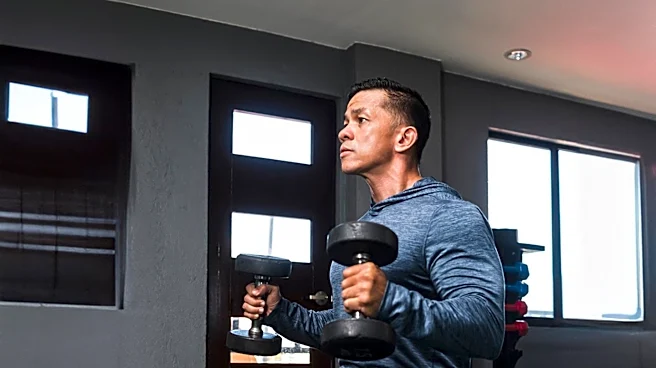
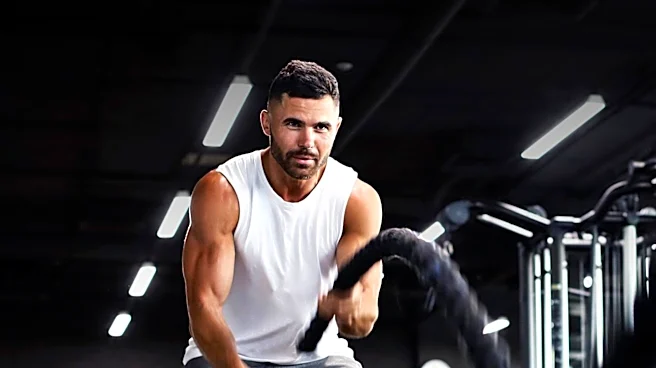
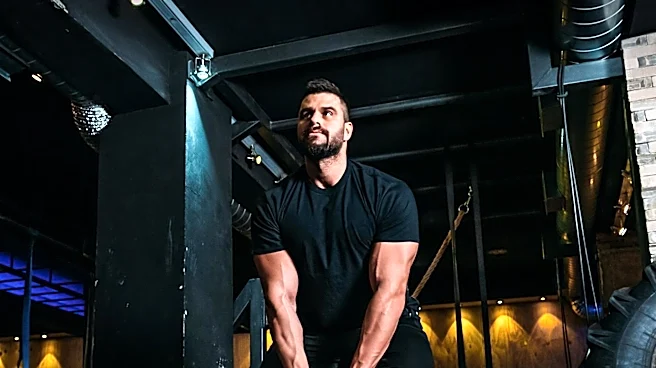
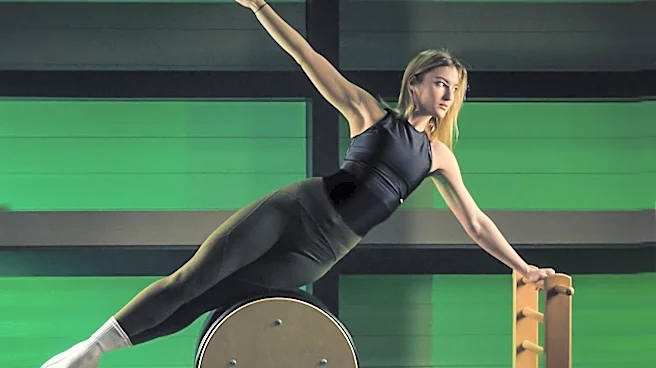
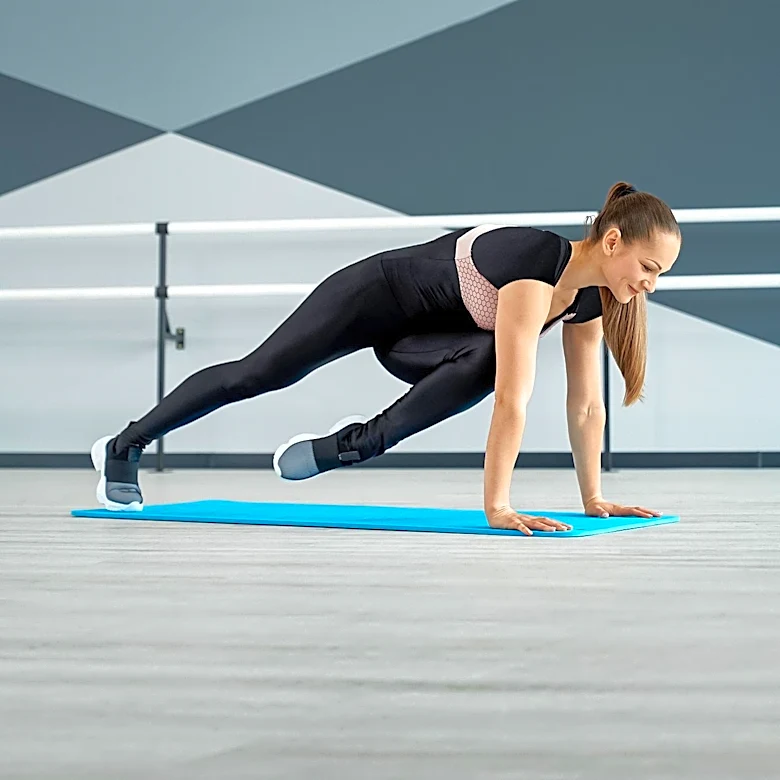
Micro workouts, defined as short-form exercise sessions lasting 5 to 10 minutes, are gaining traction as an effective way to incorporate resistance training into busy schedules. These workouts typically involve five to eight exercises, each performed
for 30 to 60 seconds. According to fitness expert Desi Bartlett, micro workouts are ideal for individuals with time constraints, as they require minimal equipment and can be done anywhere. While similar to mini workouts in their brevity, micro workouts specifically emphasize resistance training, focusing on building muscle strength through weights, bands, machines, or bodyweight exercises. This approach contrasts with mini workouts, which can encompass a broader range of activities like HIIT or power walking. The effectiveness of micro workouts is supported by research, including a study in the Scandinavian Journal of Medicine and Science in Sports, which found that shorter, frequent workouts can lead to significant strength gains and muscle thickness comparable to longer sessions. Chris Gagliardi, a Scientific Education Content Manager for the American Council on Exercise, highlights that any amount of physical activity contributes to health benefits, and accumulated physical activity is as effective as continuous exercise.
Why It's Important?
The rise of micro workouts is significant for public health in the U.S., where a large portion of adults fail to meet recommended physical activity guidelines. By offering a flexible and time-efficient alternative to traditional longer workouts, micro workouts can help more Americans integrate exercise into their daily routines. This approach addresses common barriers to fitness, such as lack of time and motivation, potentially leading to increased exercise adherence and improved overall health outcomes. The emphasis on resistance training in micro workouts is particularly important, as strength training offers numerous benefits, including improved strength, muscular endurance, and cardiovascular health. For industries, this trend could spur innovation in fitness technology and home exercise equipment, catering to consumers seeking convenient and effective workout solutions. Furthermore, the psychological benefit of making exercise more accessible and less daunting could foster a more positive relationship with physical activity across society, contributing to long-term healthy habits.
What's Next?
As micro workouts continue to gain popularity, it is anticipated that more fitness programs and applications will emerge to cater to this demand. Fitness professionals may increasingly incorporate micro workout principles into their coaching, offering tailored short sessions for clients. The development of new, portable resistance training equipment designed for quick, at-home use is also a likely outcome. Further research may explore the optimal frequency and intensity of micro workouts for various fitness goals and populations, potentially leading to more refined guidelines. Additionally, public health campaigns might leverage the concept of micro workouts to encourage greater physical activity among the general population, emphasizing that even short bursts of exercise can yield substantial health benefits. The integration of micro workouts into corporate wellness programs could also become more prevalent, providing employees with accessible ways to stay active during the workday.
Beyond the Headlines
The shift towards micro workouts reflects a broader cultural trend of optimizing time and seeking efficiency in all aspects of life. This approach challenges the traditional perception that effective exercise requires significant time commitments, potentially democratizing fitness and making it more attainable for diverse populations. Ethically, it raises questions about how fitness messaging can best encourage activity without creating new pressures or unrealistic expectations. The long-term societal impact could include a reduction in sedentary lifestyles and associated health issues, leading to a healthier and more productive workforce. Culturally, it may foster a greater acceptance of integrating physical activity into unconventional settings, such as short breaks during work or household chores. This evolution in fitness philosophy could also influence urban planning, promoting environments that facilitate brief, spontaneous physical activity throughout the day.