





What's Happening?
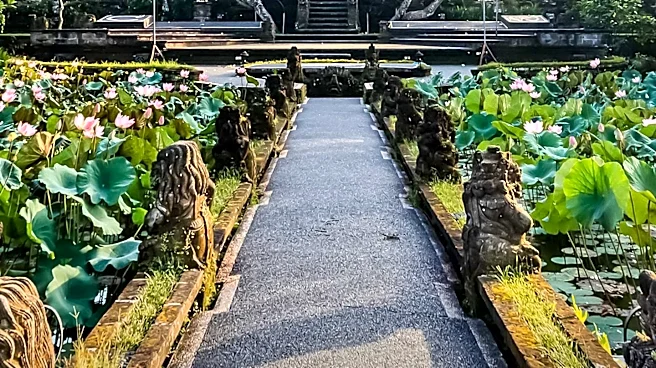
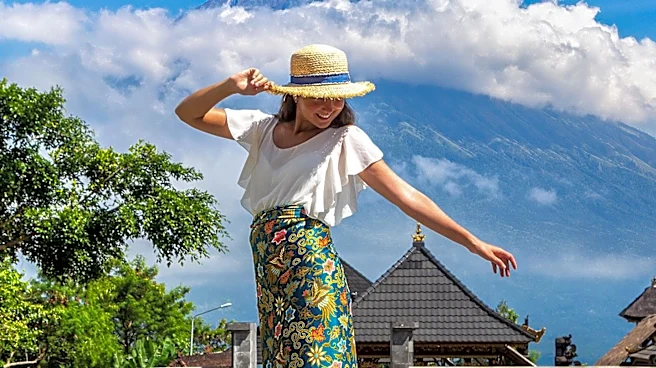
Ubud, Bali, is highlighted as a destination rich in cultural and natural attractions, catering to various traveler preferences. Activities range from spiritual purification experiences and traditional Kecak dance performances to adventurous white-water
rafting on the Ayung River and exploring scenic rice terraces. Visitors can engage in Balinese cooking classes, learn to make traditional offerings (canang sari), and participate in wood carving or batik workshops. The area also features natural sites like waterfalls and the Campuhan Ridge Walk. For those seeking wellness, Ubud offers numerous yoga studios, including free classes at the School of Unified Healing, and luxurious spa treatments. Accommodation options vary from hotels to homestays, with advice given on choosing locations based on desired activity levels and proximity to amenities. The local currency is the Indonesian Rupiah (IDR), and ATMs are widely available. Transportation within Bali is facilitated by scooter rentals, ride-sharing apps like Grab and Gojek, and private drivers.
Why It's Important?
Ubud's diverse offerings are important for the tourism industry, providing a wide array of experiences that attract different segments of travelers, from those seeking spiritual retreats and cultural immersion to adventure enthusiasts and families. The emphasis on local crafts, cooking, and ceremonies helps preserve and promote Balinese culture, offering economic opportunities for local artisans, guides, and businesses. The availability of various accommodation types and transportation options enhances accessibility and convenience for tourists, contributing to the region's economic stability. The detailed guidance on choosing activities and understanding local nuances, such as the broad use of 'Ubud' in marketing for yoga teacher training, helps manage traveler expectations and ensures a more satisfying experience, fostering positive word-of-mouth and repeat visits. This comprehensive approach to tourism supports sustainable growth and community engagement in the region.
What's Next?
Travelers planning a trip to Ubud are advised to confirm exact venue locations for activities like yoga teacher training, as marketing terms can be broad. It is recommended to book experiences online through platforms that offer reviews and clear inclusions, especially for solo travelers. Visitors should also check current Indonesian entry and visa requirements through official government sources close to their travel date. For transportation, renting scooters is an option, but ensuring travel insurance covers it and wearing a helmet is crucial. Alternatively, private drivers or ride-sharing apps are available. The continuous offering of cultural workshops, nature tours, and wellness programs suggests that Ubud will remain a prominent destination for experiential travel, with ongoing efforts to cater to diverse interests while maintaining its cultural integrity.
Beyond the Headlines
The detailed insights into Ubud's tourism highlight a deeper trend in travel: the increasing demand for authentic, immersive, and personalized experiences. Beyond typical sightseeing, activities like purification ceremonies, cooking classes, and traditional craft workshops offer visitors a chance to connect with the local culture on a more profound level. This shift from passive observation to active participation can foster greater cross-cultural understanding and appreciation. The advice to be mindful of animal welfare in tourism, particularly regarding luwak coffee and elephant experiences, reflects a growing ethical consciousness among travelers. This encourages responsible tourism practices and supports businesses that prioritize ethical treatment and sustainability. The emphasis on local interactions, such as visiting morning markets and joining local ceremonies, also points to a desire for genuine human connection, moving beyond superficial tourist interactions to more meaningful engagements with the community.