






What's Happening?
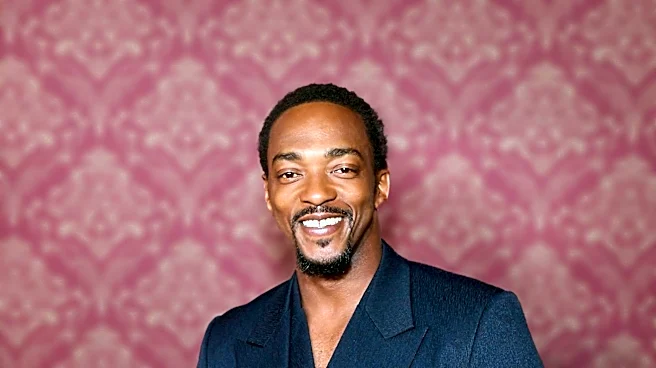
Kathryn Bigelow, an acclaimed filmmaker, directed "The Hurt Locker," a war drama that significantly influenced actor Anthony Mackie's career. Mackie, known for his role as Sergeant J.T. Sanborn in the film, nearly missed the opportunity due to scheduling
conflicts with another project, "Bolden." According to Mackie, the production of "Bolden" was problematic, causing delays that clashed with Bigelow's filming schedule in Jordan. Bigelow's team had to adjust their schedule by a week to accommodate Mackie, who had to travel directly from the "Bolden" set to Jordan. This critical timing allowed Mackie to secure his role in "The Hurt Locker," a film that went on to win six Academy Awards, including Best Picture and Best Director for Bigelow, making her the first woman to achieve this honor. Mackie's performance in the film was a pivotal moment in his career, preceding his later success in major franchises like Marvel, where he eventually became Captain America.
Why It's Important?
The story highlights the profound impact a single film and a director's decision can have on an actor's career and the broader entertainment industry. Kathryn Bigelow's commitment to her vision and her willingness to accommodate Mackie's schedule ultimately led to his involvement in a critically acclaimed and commercially successful film. This not only elevated Mackie's profile but also contributed to the film's overall success, which was recognized with multiple Academy Awards. The success of "The Hurt Locker" further solidified Bigelow's reputation as a groundbreaking director, particularly as the first woman to win Best Director. This event underscores the intricate web of decisions and circumstances that shape careers in Hollywood, demonstrating how a seemingly small scheduling conflict could have drastically altered the trajectory of a prominent actor and the cast of a landmark film.
What's Next?
While the events surrounding Anthony Mackie's casting in "The Hurt Locker" are historical, the film's enduring legacy continues to influence discussions about war dramas and independent filmmaking. Kathryn Bigelow's subsequent projects and her continued presence in the industry will likely be viewed through the lens of her past successes, including "The Hurt Locker." For Anthony Mackie, his established career, significantly bolstered by this role, continues to evolve, with his recent portrayal of Captain America in the Marvel Cinematic Universe. The film's critical acclaim and Bigelow's historic Oscar win will likely remain a benchmark for aspiring filmmakers and actors, particularly those navigating the challenges of independent productions and career-defining roles. The renewed interest in Bigelow's earlier works, such as the 4K release of "Strange Days," also suggests a continued appreciation for her unique directorial style.
Beyond the Headlines
This narrative delves into the often-unseen challenges and pivotal moments that shape careers in the film industry. Anthony Mackie's experience with the troubled production of "Bolden" and the subsequent opportunity with "The Hurt Locker" illustrates the resilience and strategic decision-making required for actors. It also highlights the ethical considerations directors face when managing production schedules and talent. Bigelow's decision to wait for Mackie, despite the logistical hurdles, speaks to her artistic integrity and belief in her casting choices. Furthermore, the story subtly touches upon the broader cultural impact of films like "The Hurt Locker," which offer critical perspectives on contemporary issues such as war. The film's success, particularly Bigelow's historic win, also represents a significant milestone for women in Hollywood, challenging long-standing gender disparities in directorial recognition.