



What's Happening?
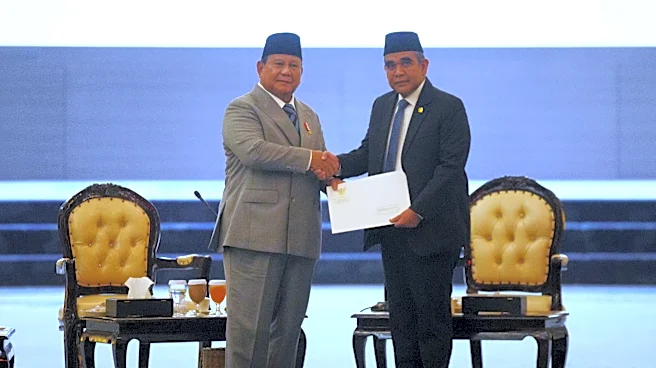
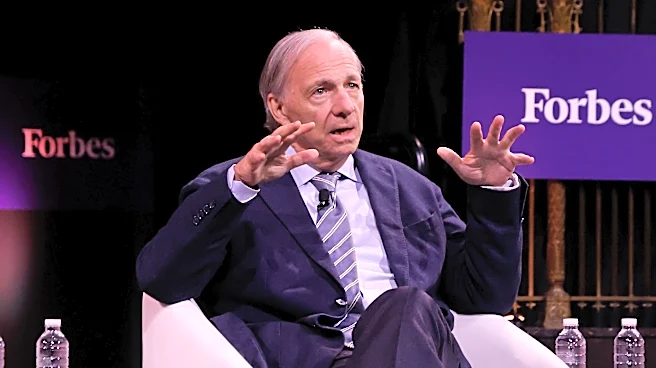
Ray Dalio, the billionaire founder of Bridgewater Associates, brokered a conference call on November 10 between MSCI chief executive Henry Fernandez and Indonesian President Prabowo Subianto. The discussion focused on MSCI's threat to downgrade Indonesia's
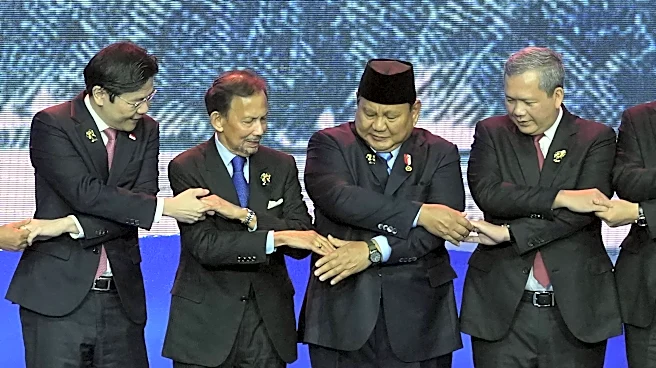
stock market status, a move that could trigger billions in outflows. During the call, Fernandez indicated MSCI's willingness to consider alternatives to a two-step downgrade and offered to continue advising Indonesian officials on necessary reforms. MSCI's concerns include opaque shareholding structures, suspected coordinated trading, weak enforcement, and political influence within Indonesia's Financial Services Authority. President Prabowo, who has received economic counsel from Dalio and awarded him a high-ranking civilian honor, pledged greater enforcement to address these issues. Dalio has acted as an informal adviser to Prabowo's government and was joined on the call by Rosan Roeslani, CEO of the Indonesian sovereign wealth fund Danantara.
Why It's Important?
This intervention by Ray Dalio highlights the significant influence of prominent U.S. financial figures in global economic affairs, particularly in emerging markets. A downgrade of Indonesia's stock market status by MSCI, a major U.S.-based index provider, would have substantial negative repercussions for Indonesia's economy, potentially leading to massive capital outflows and further weakening its currency and stock market. For U.S. investors and financial institutions, such a downgrade could impact their portfolios with exposure to Indonesian assets. Dalio's role in facilitating dialogue underscores the interconnectedness of global financial markets and the importance of maintaining investor confidence in emerging economies. His involvement, alongside other U.S. firms like JPMorgan Chase & Co, Goldman Sachs Group, and Jane Street Group, suggests a collective interest in preventing market instability and ensuring fair and transparent market practices in Indonesia. The situation also reflects the power of index providers like MSCI to shape investment flows and influence national economic policies.
What's Next?
MSCI is currently gathering feedback until April 30, 2027, with a final decision on Indonesia's market status expected by the end of June 2027. During this period, Indonesian authorities, under President Prabowo's leadership, will need to demonstrate concrete progress in implementing the reforms suggested by MSCI. These reforms include removing politically affiliated individuals from the Financial Services Authority board, improving communication with investors, and establishing clearer rules regarding shareholding concentration and changes to the LQ45 index. Failure to implement these changes could result in the threatened downgrade, leading to significant capital flight from Indonesia. Conversely, successful reforms could help stabilize Indonesia's currency and stock market, restoring investor confidence. The ongoing dialogue and the actions taken by Indonesia will be closely watched by global investors and financial institutions, including those in the U.S., as they assess the risk and opportunity in one of Southeast Asia's largest economies.
Beyond the Headlines
The situation in Indonesia, mediated by Ray Dalio, reveals deeper implications regarding global financial governance and the sovereignty of emerging economies. The power wielded by U.S.-based index providers like MSCI to influence national economic policies raises questions about the balance between international financial standards and national autonomy. While MSCI's demands aim to ensure market transparency and investor protection, they also represent a form of external pressure on a sovereign nation's regulatory framework. This scenario highlights the ethical considerations of how global financial institutions can, and should, interact with developing economies. Furthermore, the involvement of a prominent U.S. investor like Dalio as an informal adviser underscores the complex web of relationships that shape global finance, where private individuals can play significant diplomatic and economic roles. The long-term shift could involve a re-evaluation of the mechanisms through which international financial standards are enforced and the extent to which emerging markets can assert their regulatory independence while still attracting global capital.