
What's Happening?
The Duck Creek Recreation Area in Nebraska is a popular destination for outdoor enthusiasts, offering a range of activities such as camping, fishing, and boating. Located 60 miles south of Omaha and 140
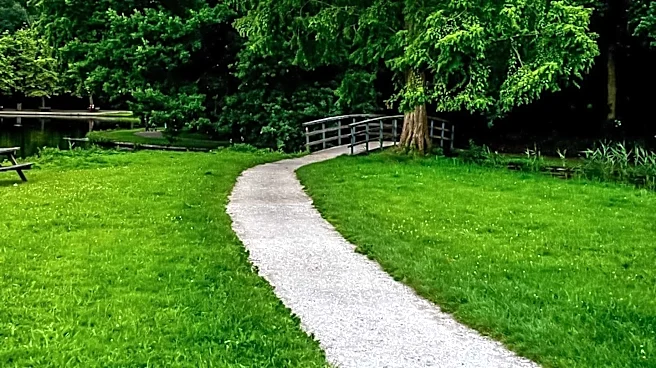
miles north of Kansas City, the area is managed by the Nemaha Natural Resources District. It features a 62-acre lake surrounded by a 200-acre recreation area, complete with fishing jetties, a boat ramp, walking trails, playgrounds, picnic shelters, and a sandy beach. The site provides 32 campsites, including 28 with electrical service and four primitive sites, available on a first-come, first-served basis. Visitors can enjoy fishing for species like largemouth bass and channel catfish, although some have noted a decline in fish activity in recent years. Permits are required for entry, costing $5 for a daily pass and $14 for an annual pass, and can be purchased online.
Why It's Important?
The Duck Creek Recreation Area serves as a vital recreational outlet for residents of Nebraska and nearby states, offering a natural escape from urban life. It supports local tourism and contributes to the regional economy by attracting visitors who spend on permits, camping fees, and local accommodations. The area's management by the Nemaha Natural Resources District highlights the importance of preserving natural resources while providing public access to outdoor activities. The site's popularity underscores a growing trend towards outdoor recreation, which has seen increased interest, especially during times when indoor activities are limited.
What's Next?
As the Duck Creek Recreation Area continues to attract visitors, there may be considerations for expanding facilities or enhancing current amenities to accommodate growing demand. The Nemaha Natural Resources District might explore additional conservation efforts to maintain the area's ecological balance, especially in response to concerns about fish populations. Future developments could include improved infrastructure for campers and day visitors, as well as educational programs to promote environmental stewardship among visitors.