

What's Happening?
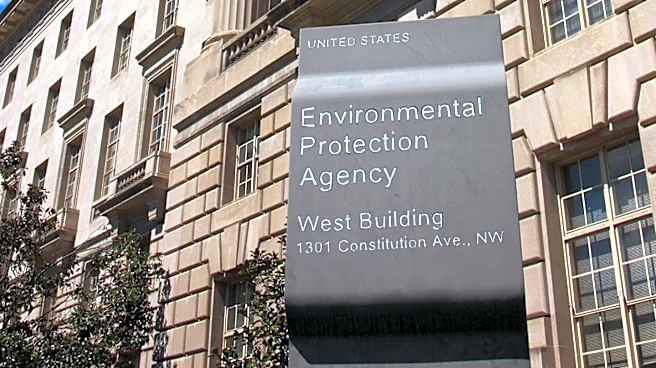
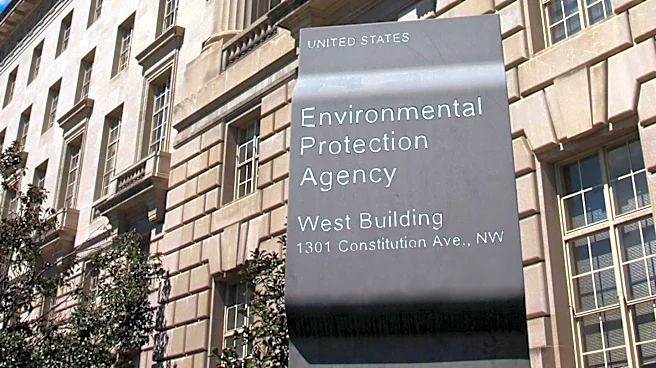
The Environmental Protection Agency (EPA) has issued a new final rule that narrows air toxics compliance requirements for process wastewater at new major-source polyvinyl chloride (PVC) and copolymer production facilities. Effective November 9, 2026,
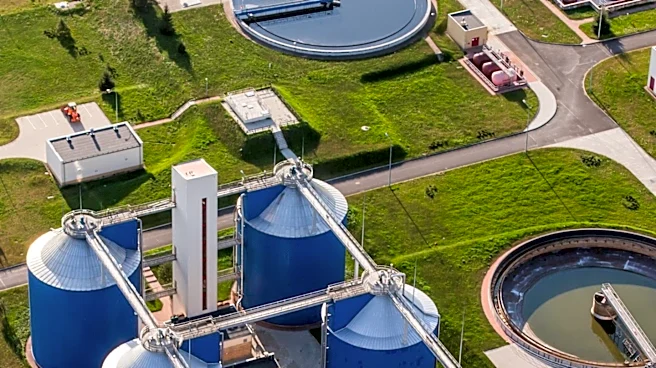
this rule treats vinyl chloride as a surrogate for other organic hazardous air pollutants (HAP) in PVC process wastewater. Specifically, for qualifying new and reconstructed major sources, the EPA has eliminated a separate limit for total non-vinyl chloride organic HAP, along with associated testing, monitoring, recordkeeping, and reporting requirements. Instead, compliance will rely on the existing, more stringent vinyl chloride limit. This targeted relief aims to offer a more manageable wastewater air toxics compliance framework for new projects, rather than a broad rollback of the PVC National Emission Standards for Hazardous Air Pollutants (NESHAP). The EPA is not aware of any new sources currently subject to this rule, thus expecting no immediate cost or emissions impacts.
Why It's Important?
This rule is significant for the chemical manufacturing industry, particularly for companies planning new PVC production facilities or undertaking major reconstructions. It simplifies compliance procedures by reducing the number of separate pollutants that need to be monitored and reported, potentially leading to operational efficiencies and modest administrative cost savings. The EPA's rationale is that the control technology used for vinyl chloride (steam stripping) also effectively controls other organic HAP in PVC process wastewater, making vinyl chloride a reliable surrogate. However, this relief does not extend to existing major sources or area sources, which must continue to comply with their current requirements. This distinction means that companies operating multiple PVC production units may have different compliance obligations depending on the status and construction history of each unit, requiring careful assessment at the unit level.
What's Next?
The final rule became effective on November 9, 2026. Parties seeking judicial review have until January 8, 2027, to petition the U.S. Court of Appeals for the D.C. Circuit under the Clean Air Act. PVC manufacturers and project developers should now assess their eligibility at the unit level, identifying which production units qualify as new or reconstructed sources. For eligible units, companies can streamline their compliance programs, including wastewater sampling, testing plans, monitoring protocols, and reporting templates, by focusing on the vinyl chloride limit. However, existing facilities should not alter their current compliance programs. The EPA has also indicated that its broader reconsideration of the PVC NESHAP remains unfinished, meaning further regulatory changes related to process vents and other technical provisions could be forthcoming, which will be crucial for long-term capital planning.
Beyond the Headlines
The EPA's decision to use a surrogate pollutant for compliance reflects a strategic approach to environmental regulation, aiming to achieve desired environmental outcomes through simplified means. While the immediate economic savings are estimated to be modest, the operational simplicity gained from streamlining compliance around a single surrogate pollutant can be a significant benefit for new projects, especially those manufacturing multiple resin formulations with varying HAP profiles. However, the surrogate approach itself was contested during rulemaking, raising potential legal challenges regarding whether vinyl chloride reliably represents the control of other HAP given variations in wastewater composition. This rule also highlights the ongoing evolution of environmental regulations, where agencies seek to balance environmental protection with industry feasibility and efficiency, often leading to targeted rather than broad regulatory adjustments.