

What's Happening?
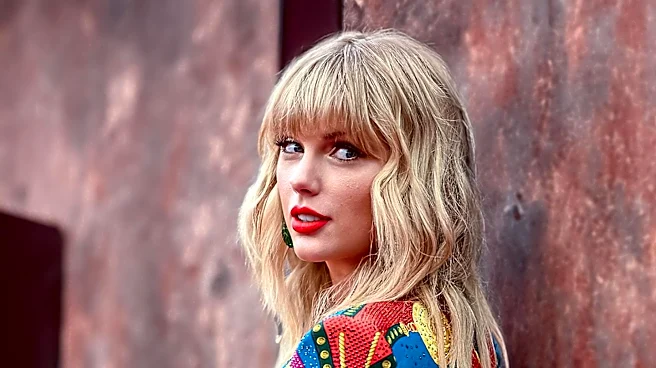
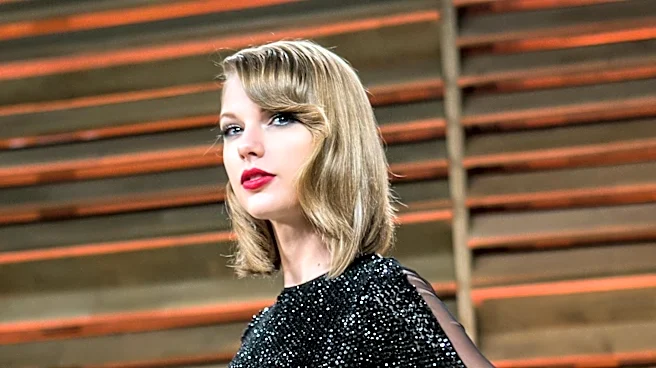
Taylor Swift reportedly declined two requests from Condé Nast, the publisher of Vanity Fair, for her wedding photos with Travis Kelce. These denials occurred months before Vanity Fair published a critical profile of Swift titled 'The Mastermind.' The article,
written by May Jeong, referred to Swift as 'The Star' and Kelce as 'Redwood,' covering aspects of Swift's childhood, friendships, feuds, and wedding. The profile drew significant backlash from fans and media figures, with Variety's Chris Willman describing it as 'snark masquerading as reportage.' Swift and Kelce married on July 3 at Madison Square Garden in a ceremony attended by 1,000 guests, but they have not publicly shared any photos from the event. A source familiar with the situation indicated that Condé Nast 'really wanted' the photos and approached Swift twice, both times receiving a polite refusal.
Why It's Important?
This development adds a new layer to the ongoing discussion surrounding journalistic ethics and celebrity media relations. The timing of Condé Nast's requests for exclusive wedding photos, followed by a critical profile in one of its publications after those requests were denied, raises questions about potential motivations behind the article. For public figures like Swift, control over personal narratives and images is crucial, and the refusal to grant exclusive access can sometimes precede less favorable media coverage. This situation highlights the complex dynamic between celebrities seeking privacy and media outlets pursuing exclusive content, potentially influencing how future celebrity-media interactions are perceived and managed. The backlash against the Vanity Fair article also underscores the power of fan bases and public opinion in shaping media reception.
What's Next?
While representatives for Swift and Condé Nast have not commented on the matter, the reported sequence of events is likely to fuel further speculation regarding the motivations behind Vanity Fair's 'The Mastermind' profile. The incident may prompt increased scrutiny of editorial decisions when a publication has been denied access to a celebrity's private life. It could also influence how other celebrities approach requests for exclusive content from major media conglomerates, potentially leading to more cautious engagements. For Swift, who reportedly remains unfazed by the article, her continued silence on the matter, coupled with her history of carefully managing her public image, suggests she may choose to address the situation through her work or future public appearances rather than direct engagement with the report.
Beyond the Headlines
This situation delves into the broader implications of media power and celebrity autonomy. The perceived correlation between denying exclusive access and receiving critical coverage can foster distrust between public figures and the press, potentially leading to a more guarded approach from celebrities. It also touches upon the ethical considerations for media organizations: whether editorial independence can be compromised or perceived as compromised when business interests (like securing exclusive content) are involved. The incident could contribute to a larger conversation about the evolving landscape of celebrity journalism, where traditional media outlets compete with direct-to-fan communication channels, and the narrative control often shifts towards the celebrity. This dynamic can influence public perception of media credibility and the authenticity of celebrity portrayals.