







What's Happening?
Charley Crockett's song "Country Music" from his album 'Clovis' is highlighted for its authentic portrayal of traditional country tropes. The song references classic country themes such as hard work and heartbreak, while also emphasizing the unique 'feeling'
required to truly embody country music, a quality Crockett attributes to artists like Waylon Jennings. The instrumentation of the song is described as having a mid-century classic country style, and Crockett's vocal delivery is noted for its conviction, setting him apart from many contemporary Nashville artists. The album concludes with "Waylon Rides Again," which suggests that authentic country music is thriving if listeners seek out the right artists. This perspective contrasts with a broader critique of much of the music played on country radio, which is often seen as lacking authenticity.
Why It's Important?
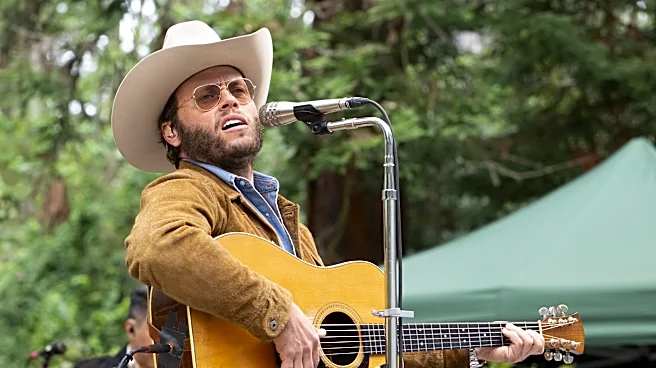
The discussion around Charley Crockett's music underscores a significant ongoing debate within the U.S. country music industry regarding authenticity versus commercialism. Artists like Crockett, Colter Wall, and Tyler Childers are presented as torchbearers of a more traditional, 'genuine' country sound, appealing to a segment of the audience that feels alienated by mainstream country radio. This divide impacts not only artistic direction but also market share, fan loyalty, and the perceived cultural value of the genre. For consumers, it means a choice between commercially polished sounds and artists who prioritize storytelling and traditional musical elements. For the industry, it highlights the tension between maximizing profits through broad appeal and preserving the genre's historical roots and artistic integrity.
What's Next?
The continued success of artists like Charley Crockett could influence future trends in country music, potentially encouraging more mainstream artists and labels to incorporate traditional elements or support acts that prioritize authenticity. This might lead to a diversification of sounds on country radio and in major music festivals, offering a wider range of choices for listeners. Conversely, if the commercial success of more traditional artists remains niche, the mainstream country industry may continue its current trajectory, further solidifying the divide between 'authentic' and 'commercial' country music. The ongoing dialogue among critics and fans will likely continue to shape perceptions and influence the careers of emerging artists in the genre.
Beyond the Headlines
The emphasis on 'authenticity' in country music, as championed by artists like Charley Crockett, reflects a broader cultural yearning for genuine expression in an increasingly commercialized world. This isn't just about musical style; it touches on themes of cultural heritage, regional identity, and resistance to corporate homogenization. The critique of 'Nashville folks' suggests a perceived loss of soul or connection to the genre's working-class roots in favor of polished, mass-market appeal. This dynamic is not unique to country music but is a recurring theme in many art forms, where the tension between artistic integrity and commercial viability constantly plays out, shaping both the art itself and its reception by the public.