






What's Happening?
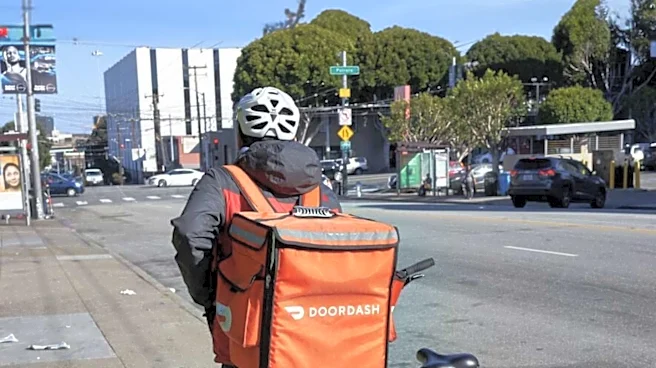
DoorDash has announced its agreement to acquire Instacart for approximately $17 billion in a mix of cash and stock. The deal, valued at $65.00 per Instacart share, represents a 26% premium over Instacart's closing price on October 22. Instacart shareholders
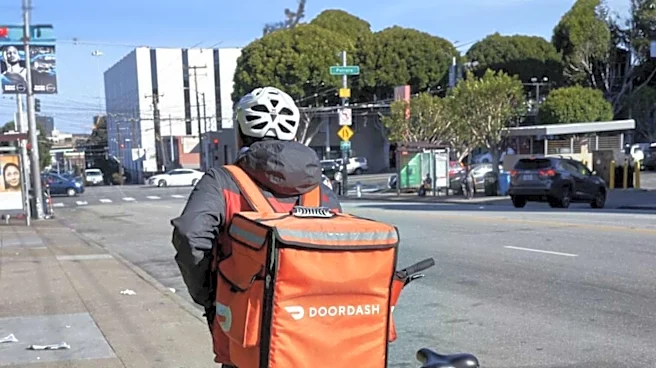
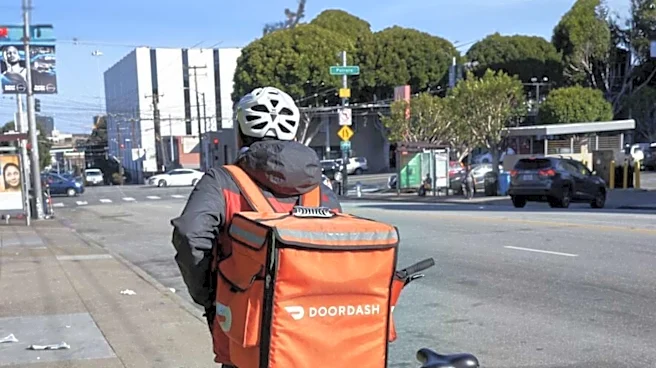
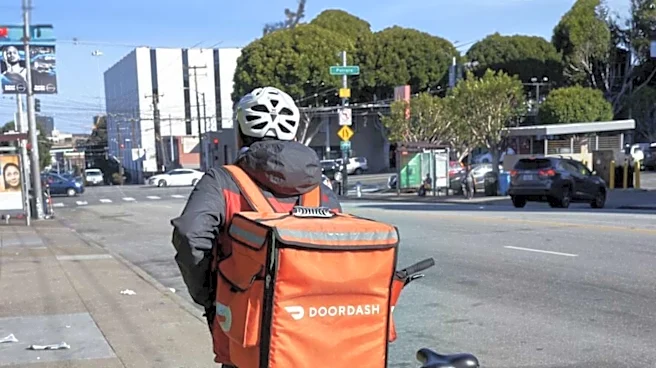
have the option to receive all cash, all DoorDash stock, or a blend of both. The acquisition was announced on October 29, coinciding with Instacart's third-quarter earnings report, which showed a 17% year-over-year revenue increase to $1.095 billion and a 15% rise in gross transaction value to $10.5 billion. DoorDash CEO Tony Xu has stated that the acquisition aims to combine Instacart's grocery expertise with DoorDash's logistics network, accelerating DoorDash's expansion into the grocery sector. The companies anticipate the deal will close by the end of 2027 or the first half of 2028, pending shareholder and regulatory approvals.
Why It's Important?
This acquisition is significant as it consolidates two major players in the U.S. delivery market, potentially reducing competition in both grocery and general delivery services. Regulators, including federal and state antitrust enforcers, are expected to conduct an in-depth investigation, with the Federal Trade Commission (FTC) likely focusing on affordability and delivery pricing, especially given current cost-of-living concerns. The FTC has previously scrutinized Instacart's pricing practices, which could complicate the review process. The merger could lead to a single entity controlling a substantial portion of delivery prices for U.S. households and pay rates for gig workers, raising concerns about concentrated pricing power. The inclusion of a $1.25 billion breakup fee in the agreement underscores the companies' expectation of a challenging regulatory review, indicating the high stakes and potential for antitrust objections.
What's Next?
The acquisition is subject to approval from Instacart shareholders and extensive antitrust reviews by U.S., Canadian, and Israeli authorities. DoorDash and Instacart have factored in a lengthy regulatory process, expecting the deal to close between late 2027 and mid-2028. DoorDash plans to fund the cash component of the acquisition through existing cash and debt financing, aiming for an investment-grade capital structure. Management anticipates at least $500 million in annual net synergies after investments, though they expect to reinvest more than these synergies in the first year post-closing. The long timeline for regulatory approval and integration means investors will be closely watching for developments regarding financing, regulatory hurdles, and the successful integration of the two companies' operations.
Beyond the Headlines
The merger's potential impact extends beyond market consolidation to the broader gig economy and consumer welfare. With a combined DoorDash-Instacart entity, there could be significant implications for the wages and working conditions of delivery drivers and shoppers, as the company would have substantial control over pay rates without direct competitive pressure. For consumers, the reduction in competition might lead to less favorable delivery fees or service options. The regulatory scrutiny will likely set a precedent for future large-scale mergers in the on-demand service sector, highlighting the government's stance on market concentration and its effects on both labor and consumer markets. This deal could reshape the landscape of last-mile delivery, influencing how groceries and other goods are delivered across the nation for years to come.