









What's Happening?
In 2026, traditional safe havens like U.S. Treasurys, the Japanese yen, and gold are not performing as expected amid global market uncertainties. Treasury yields have increased since the onset of the Iran war, the yen has weakened to multi-decade lows
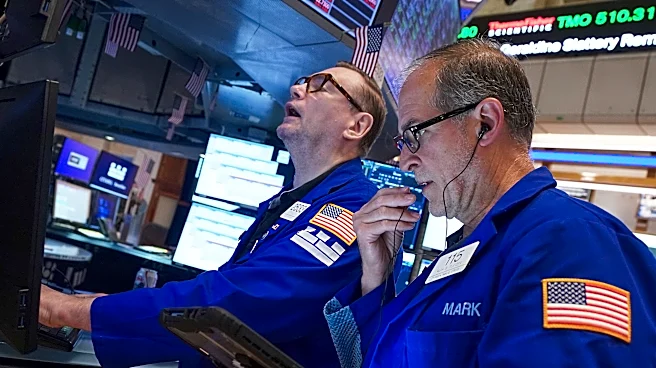
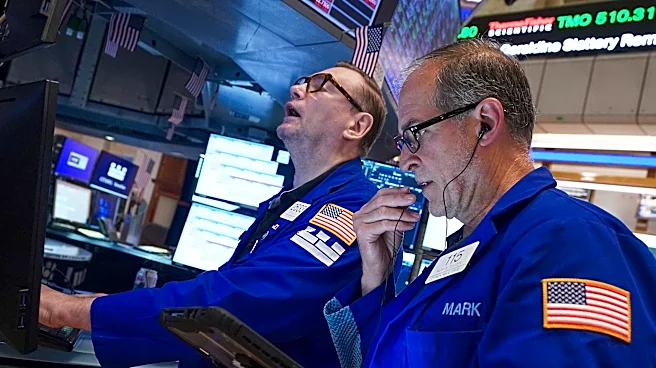
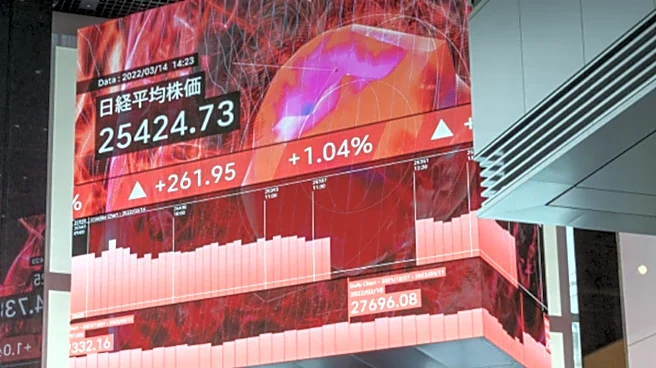
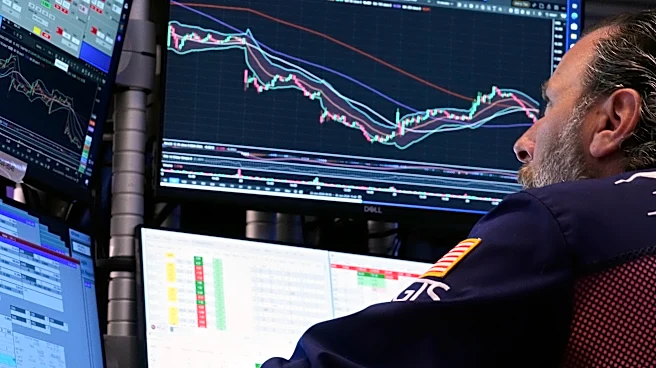
against the dollar, and gold prices have dropped significantly from their January peak. This deviation from the norm is attributed to inflation fears, higher real yields, fiscal concerns, and wide interest-rate gaps, which are overshadowing the usual demand for safety. Investors are instead focusing on AI-linked stocks, with U.S. and some Asian markets reaching record highs. Frederic Neumann, chief Asia economist at HSBC, notes that underlying risk appetite remains healthy, and global financial conditions are highly accommodative.
Why It's Important?
The shift in traditional safe havens has significant implications for investors and the broader financial market. As inflation expectations rise, bonds become less attractive, eroding the purchasing power of future fixed-interest payments. This situation is compounded by concerns over debt sustainability, particularly in the U.S., where the federal deficit remains a point of concern. The unusual behavior of gold, traditionally a reliable safe haven, further complicates the investment landscape. The yen's weakness, despite Japan's high interest rates and government bond yields, suggests a loss of confidence in its status as a safe haven. These changes indicate a potential realignment of investment strategies, with a growing focus on equities, particularly in the technology sector.
What's Next?
Investors and financial analysts will likely continue to monitor the evolving geopolitical landscape and its impact on traditional safe havens. The ongoing Iran conflict and its effects on oil prices and inflation will be critical factors influencing market dynamics. Additionally, the performance of AI-linked stocks and their ability to sustain current market highs will be closely watched. Policymakers may need to address fiscal concerns and debt sustainability to restore confidence in traditional safe havens. The potential for further interest rate adjustments by central banks, including the Bank of Japan, could also influence currency and bond markets.
Beyond the Headlines
The current market dynamics highlight a broader shift in investor behavior and risk assessment. The focus on AI-linked stocks reflects a growing interest in technology and innovation as drivers of economic growth. This trend may lead to increased investment in tech sectors and a reevaluation of traditional asset allocation strategies. The weakening of the yen and the challenges facing gold as a safe haven underscore the need for diversification and adaptability in investment portfolios. These developments may also prompt a reevaluation of monetary and fiscal policies to address emerging economic challenges.