






What's Happening?
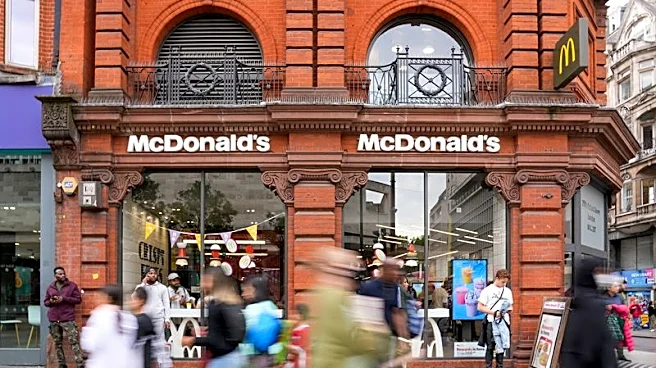
McDonald's is developing a new tiered loyalty program designed to differentiate between its frequent and casual customers. This initiative aims to increase purchase frequency among existing patrons and attract new members by offering personalized experiences.
The move by McDonald's reflects a broader trend in the restaurant industry to shift away from widespread discounting in favor of more targeted, value-driven strategies. This approach is in line with the growing emphasis on personalized rewards in loyalty programs, a strategy that has proven successful for companies like Energia, which won Customer Experience of the Year at the Irish Loyalty and CX Awards 2023. The loyalty management market is projected to reach $41.2 billion by 2032, indicating a significant industry focus on these programs. However, many loyalty programs fail because they are designed around brand objectives rather than customer value, a pitfall McDonald's seeks to avoid with its new personalized approach.
Why It's Important?
The introduction of a tiered loyalty program by McDonald's is significant for the U.S. fast-food industry and the broader retail sector. By focusing on personalized rewards and differentiating between customer segments, McDonald's aims to enhance customer retention and lifetime value. This strategy could set a new standard for how large quick-service restaurants engage with their customer base, potentially influencing competitors to adopt similar models. For consumers, this could mean more tailored offers and a more rewarding experience, moving beyond generic discounts. For McDonald's, a successful tiered program could lead to increased sales, improved customer loyalty, and a stronger competitive position in a highly saturated market. The shift from broad discounting to personalized value also highlights an evolving understanding of consumer behavior, where customers increasingly expect recognition and rewards for their loyalty.
What's Next?
McDonald's will likely proceed with the development and phased rollout of its new tiered loyalty program. This will involve careful design of the tier structure, reward mechanics, and communication strategies to ensure customer understanding and engagement. The company will need to leverage customer insights and analytics to refine the program's value proposition and ensure it resonates with both frequent and casual customers. Competitors in the fast-food and retail sectors will be closely observing the success of McDonald's initiative, potentially leading to a wave of similar loyalty program enhancements across the industry. The effectiveness of the program will be measured by metrics such as increased purchase frequency, new member acquisition, and overall customer lifetime value, with adjustments expected based on initial performance and customer feedback.
Beyond the Headlines
The move by McDonald's towards a tiered, personalized loyalty program underscores a deeper shift in consumer-brand relationships. In an era of abundant choices, brands are increasingly recognizing that generic incentives are insufficient to foster lasting loyalty. The 'endowment effect,' where customers value something more once they 'own' it, is a psychological principle that tiered programs aim to harness. By offering escalating benefits and exclusive experiences, McDonald's is attempting to create a sense of belonging and investment among its customers. This strategy also reflects a broader data-driven approach to marketing, where understanding individual customer preferences is paramount. The success of such programs could lead to a more sophisticated and personalized retail landscape, where customer data is used not just for targeted advertising, but for genuinely enhancing the customer experience and building long-term relationships.