






What's Happening?
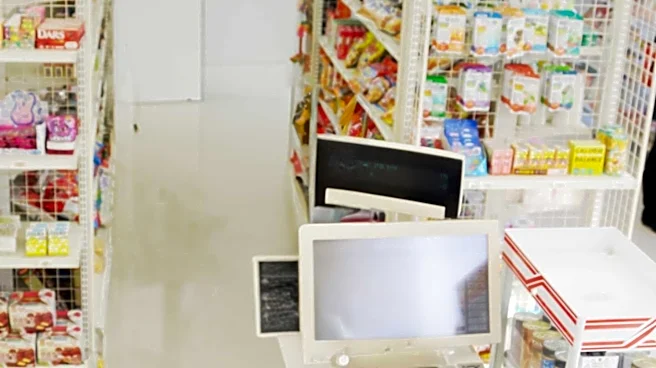
U.S. convenience stores and fuel stations are undergoing a significant technological transformation, evolving beyond simple retail outlets into sophisticated digital commerce endpoints. This shift is characterized by the widespread adoption of new technologies
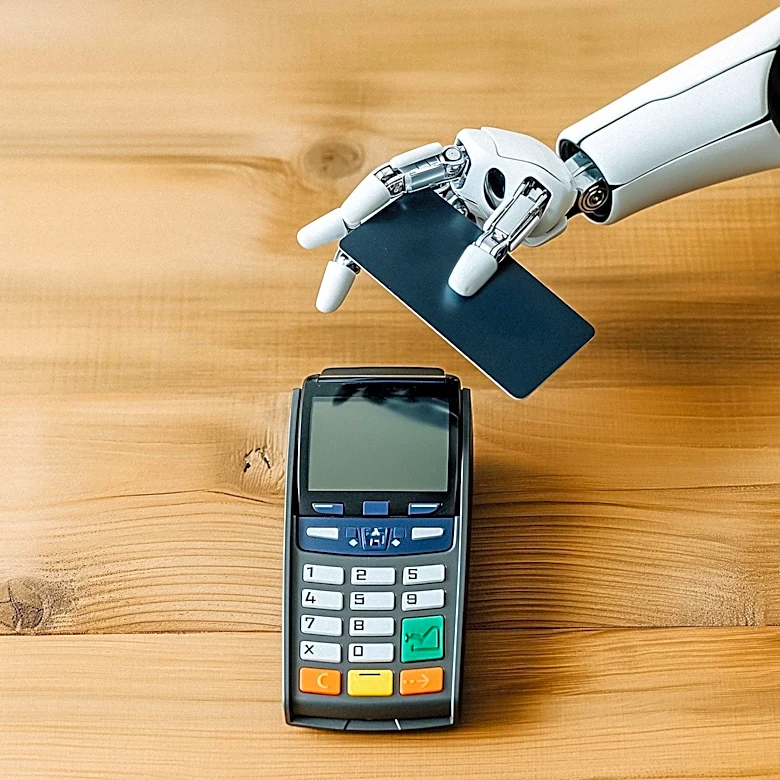
such as EV charging stations, larger food service operations with digital menu boards and self-order kiosks, and enhanced self-checkout systems. Fuel dispensers are no longer just payment devices but are becoming digital displays, loyalty terminals, and advertising platforms. Retailers like Weigel's are integrating fuel-dispenser screens with in-store displays to create a cohesive media network. The industry is also seeing advancements in lottery merchandising, contactless payment options, and the gradual introduction of electronic shelf labels. This evolution is driven by a need to improve operational efficiency, enhance customer experience, and combat payment fraud through upgraded security measures like EMV payment terminals and tamper controls.
Why It's Important?
This technological evolution in U.S. convenience stores has profound implications for consumers, businesses, and the broader retail landscape. For consumers, it means a more convenient, personalized, and secure shopping experience, with faster transactions and a wider array of services, including improved food options and EV charging. For businesses, these advancements offer opportunities for increased revenue through new services, enhanced customer loyalty programs, and more effective advertising. The integration of data from various digital endpoints allows for better inventory management, targeted promotions, and optimized operational strategies. However, it also presents challenges, particularly in cybersecurity, as each new connected device creates another potential attack surface. The shift also redefines the role of convenience stores, making them more competitive with fast-casual restaurants and other retail formats, and potentially altering urban and suburban commercial development.
What's Next?
The trend of convenience stores becoming sophisticated distributed computing environments is expected to accelerate. Future developments will likely include more advanced AI applications for forecasting and inventory planning, expanded use of computer vision for checkout and loss prevention, and further integration of digital tools across all store operations. Retailers will continue to invest in robust cybersecurity measures to protect against payment fraud and data breaches. The role of employees may also evolve, shifting from transactional tasks to more customer-service oriented or specialized roles managing complex technological systems. The industry will also likely see continued experimentation with technologies like RFID for inventory management and autonomous store concepts, though widespread adoption of some of these more advanced solutions may still be some time away, pending proven scalability and economic viability.
Beyond the Headlines
The transformation of convenience stores into digital commerce hubs reflects a deeper societal shift towards instant gratification and seamless digital integration in everyday life. This evolution blurs the lines between physical and digital retail, creating a 'phygital' experience where technology enhances the brick-and-mortar presence. It also highlights the increasing value of data in retail, as every interaction, from fuel purchase to coffee order, generates valuable insights that can be leveraged for personalized marketing and operational optimization. Furthermore, the emphasis on security in these new systems underscores the growing threat of cybercrime in the retail sector and the continuous arms race between fraudsters and security providers. This technological arms race will likely drive further innovation in payment security and data protection, impacting not just convenience stores but the entire retail ecosystem.