
What's Happening?
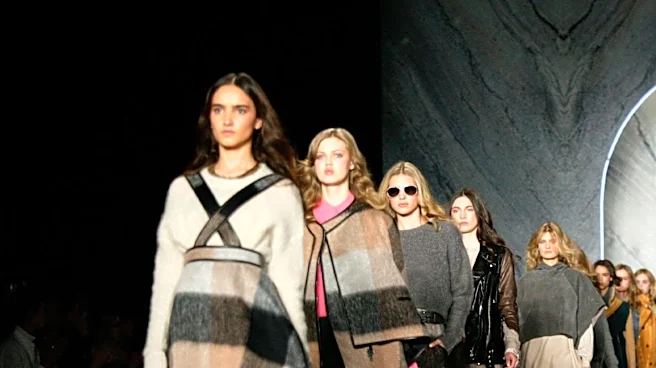
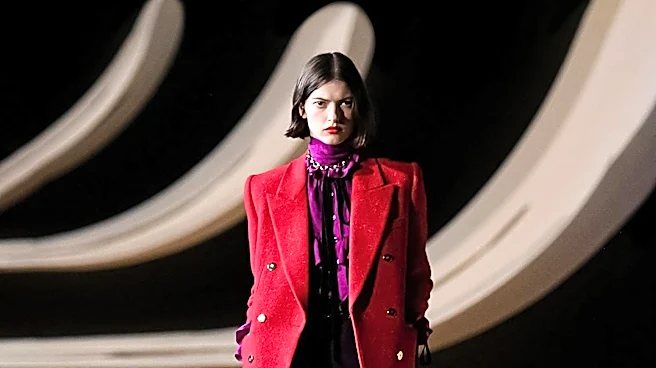
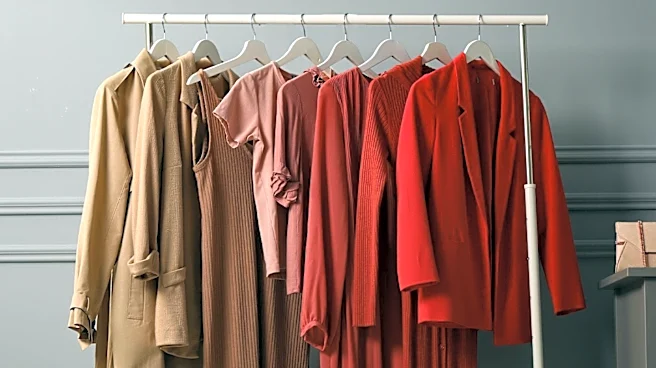
The fashion industry regularly incorporates 'pre-fall' collections into its seasonal cycles, serving as transitional lines between major commercial seasons. These collections, also known as Resort or Cruise, are designed to remain on store shelves for
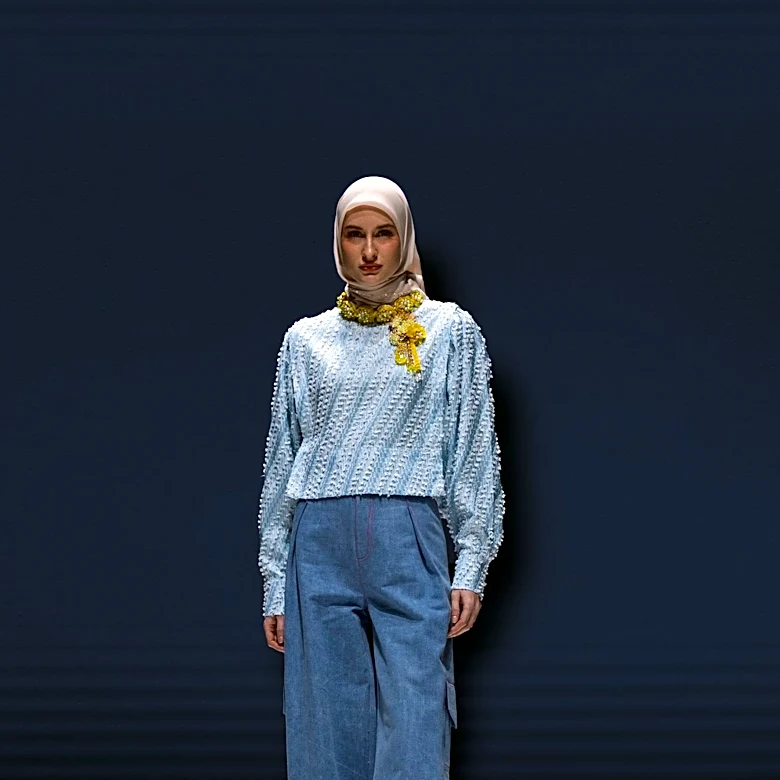
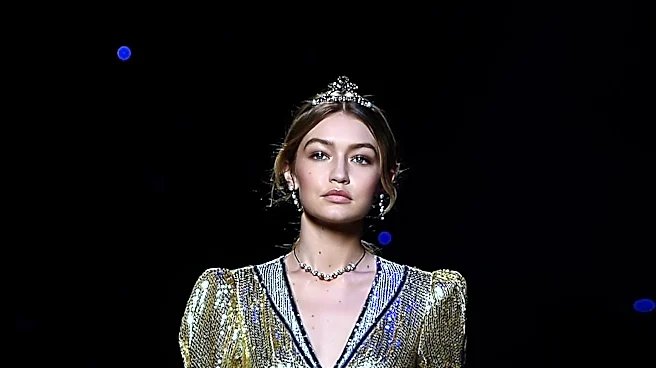
an extended period at full retail price, making them particularly profitable for luxury brands. Examples include the Pre-Fall 2026 Collection by Enaz and Pre-Fall 2026 by Louis Vuitton, which are listed among upcoming collections. Unlike the traditional Spring/Summer and Autumn/Winter collections, which are presented roughly six months before hitting stores, pre-collections bridge the gap, offering new designs that cater to a longer selling window. This strategy allows brands to maintain consumer interest and generate revenue outside the primary fashion weeks.
Why It's Important?
The strategic introduction of pre-fall collections is crucial for the financial health and operational efficiency of U.S. fashion brands, especially those in the luxury segment. By extending the selling period at full price, these collections enhance profitability and reduce reliance on end-of-season sales. This approach helps stabilize revenue streams and provides a more consistent flow of new merchandise to consumers. For retailers, pre-fall lines offer fresh inventory during periods that might otherwise see a lull in new arrivals, keeping stores dynamic and engaging for shoppers. This also impacts manufacturing and supply chains, as it necessitates a more continuous production schedule rather than concentrated seasonal bursts, potentially leading to more stable employment within the industry. The success of these transitional collections underscores a broader industry trend towards maximizing product lifecycle and consumer engagement beyond traditional seasonal boundaries.
What's Next?
The fashion industry is expected to continue leveraging pre-fall collections as a key component of its commercial strategy. Brands will likely further refine their approaches to these transitional lines, focusing on designs that offer versatility and longevity to justify their extended full-price presence. Consumers can anticipate a steady stream of new arrivals throughout the year, blurring the lines between traditional fashion seasons. This continuous cycle may also influence how fashion shows and presentations are structured, potentially leading to more frequent, smaller-scale releases rather than just two major annual events. The emphasis on profitability from these collections could also drive innovation in design and material choices, as brands seek to create pieces that resonate with consumers for longer durations.
Beyond the Headlines
The prominence of pre-fall collections reflects a significant shift in consumer behavior and the economic realities of the fashion industry. In an era of fast fashion and constant newness, pre-collections offer a middle ground, providing fresh designs without the rapid obsolescence associated with ultra-fast fashion. This strategy also highlights the industry's adaptation to globalized markets, where traditional seasonal cycles may not align with diverse climate zones and consumer needs. Ethically, the extended lifespan of pre-fall items at full price could subtly encourage more thoughtful consumption, moving away from disposable fashion. However, it also means a continuous demand on designers and manufacturers, potentially intensifying the pace of work within the creative and production sectors. The success of these collections underscores the ongoing evolution of fashion as both an art form and a highly strategic business.