


What's Happening?
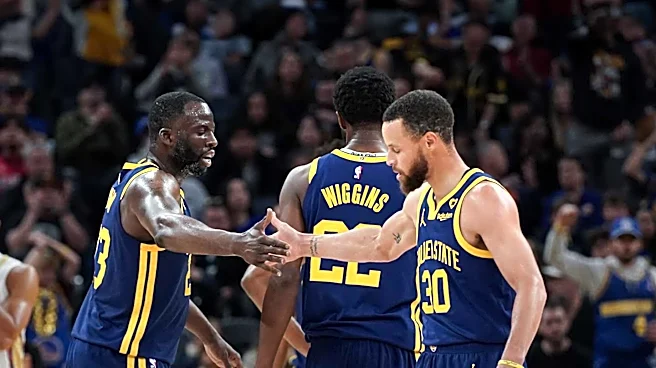
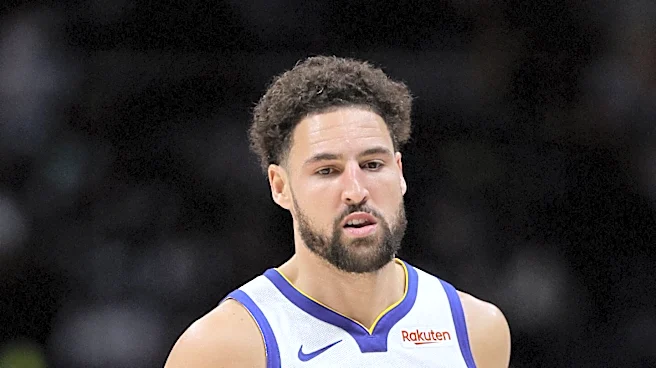
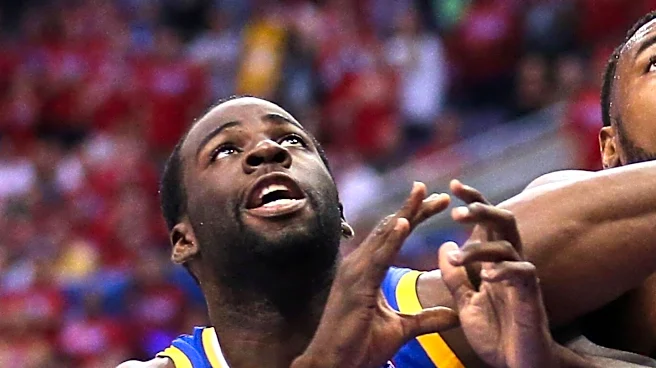
Draymond Green, a veteran player for the Golden State Warriors, recently made an unexpected confession on social media regarding his past on-court actions. While commenting on Patrick Beverley's performance in a recent BIG3 All-Star Game, Green admitted
to setting illegal screens against Beverley during their previous matchups in the NBA. Green's comments came in response to a fan on Threads who expressed surprise at Beverley's continued high level of play. Green praised Beverley, stating, "Boys don't realize Pat a dawg! And this is Old Pat Bev. He don't even move like he used to. He was hard to screen, and I set some illegal ones." This public acknowledgment of rule-breaking, albeit playful, highlights the intense competitive history between the two players and Green's respect for Beverley's defensive tenacity.
Why It's Important?
Draymond Green's admission, while seemingly lighthearted, offers a rare glimpse into the competitive tactics employed by NBA players and the mutual respect that can exist between rivals. His confession about setting illegal screens underscores the physical and often rule-bending nature of high-level basketball, particularly in playoff settings where every advantage is sought. For fans, it provides an entertaining insight into the mind of a player known for his aggressive and intelligent play. It also reinforces the perception of Green as a player who pushes boundaries, a characteristic that has both earned him accolades and drawn criticism throughout his career. The interaction also highlights the growing role of social media as a platform for athletes to engage with fans and offer candid reflections on their careers and opponents.
What's Next?
While Green's admission is unlikely to lead to any formal repercussions given its retrospective and informal nature, it could spark further discussion among fans and analysts about the prevalence of such tactics in the NBA. It might also prompt other players to share similar anecdotes, fostering a more open dialogue about the unwritten rules and competitive edges sought during games. For Green, this candidness further solidifies his persona as an outspoken and authentic figure in the league. It could also be seen as a way to further engage with the basketball community, showcasing his personality beyond just his on-court performance. The interaction also serves as a reminder of the enduring impact of rivalries and individual matchups in shaping players' careers and legacies.
Beyond the Headlines
Green's confession subtly touches upon the ethical gray areas within competitive sports, where players constantly seek advantages, sometimes bending or breaking rules in ways that are difficult for officials to consistently police. The concept of an 'illegal screen' is a common point of contention in basketball, often debated by fans and analysts. Green's admission, made years after the fact, suggests a level of acceptance or even pride in his ability to gain an edge, even if it involved minor rule infractions. This reflects a broader sports culture where 'gamesmanship' is often admired, provided it doesn't cross into outright cheating. It also highlights the psychological warfare that can occur between elite athletes, where understanding and exploiting an opponent's tendencies, even through subtle rule-bending, can be a key to success.